Bloom
1,827 views·19 replies·by Hunter704

So the areas of the Great South Bay has gotten a little better the last two days with the slime slip gut. But the local canals are piling up with it, and it’s downright nasty.OMG!! Before I enlarged the photo, I thought I was looking at a couple of trees in the park! Really nasty stuff.
CaptainOriginal Crew1,847 postsSince 2018

Southern Nassau has had sewers since 1970 or so. Since I encouraged zoysia to take over my lawn 20 years ago I have not been polluting the aquifer with chemicals since it doesn't need fertilizer, grubicide, herbicide, fungicide etc. etc. Hell, I don't even waste water on grass as I only water it once or twice a summer during a severe drought period. I am all for not just restricting but prohibiting chemical fertilizer.
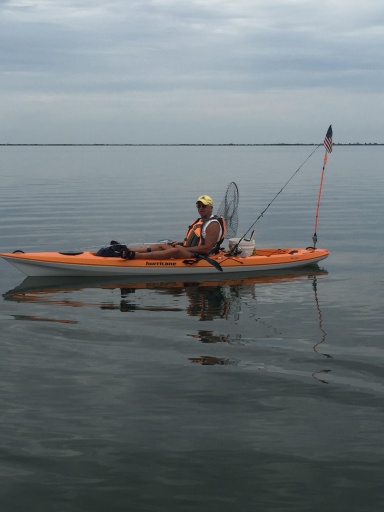
I finally got out on the yak Tuesday and while nowhere near as bad as further east I guess, I was pulling off slipgut from my bucktail and teaser (Lep rig) after every short drift.
I finally got out on the yak Tuesday and while nowhere near as bad as further east I guess, I was pulling off slipgut from my bucktail and teaser (Lep rig) after every short drift.
CommodoreOriginal Crew7,027 postsSince 2018

Yup. Everyone has to water the grass every day and pay the illegals to fertilize and then have to mow every week.Having two daughters that grew up to be vegetarians and wife that’s all about natural stuffs chemicals are a No No in my house, kids are grown and even in there homes it’s natural stuff for weeds and vegetables. Very sad what we have become.
CaptainOriginal Crew2,748 postsSince 2019

Problem is all that "natural" stuff is loaded with nitrogen which causes a great imbalance once it hits the water after it rains.......I would believe using Vinegar, dish soap, salt mixture has to be better then all the weed, pesticides that are sold
CaptainOriginal Crew2,748 postsSince 2019
Problem is all that "natural" stuff is loaded with nitrogen which causes a great imbalance once it hits the water after it rains.......Folks can debate the weed and insect killers all they want, but you're 100% correct that nitrogen compounds are driving the different algae blooms. Doesn't matter whether or not that nitrogen is of organic or chemical origin, it's still the root cause.
Used to go crabbing at night in the Terrel River in Moriches when the duck farms were still active. We literally had to skim the different "Algae du Jour" off the surface of the water to see the crabs so we could scoop them up...
Would be interesting to see which source dumps the most nitrogen into the south shore bays:
- Human sewage
- Animal sewage including dogs, geese, people's fresh egg chickens, etc.
- Chemical fertilizer
- Organic fertilizer
AdmiralOriginal Crew21,694 postsSince 2018

It's disheartening how ineffective we are at safeguarding our waterways. Despite knowing the critical importance of clean and healthy water systems for our environment, wildlife, and communities, we continue to fall short in implementing adequate protection measures. Pollution, overfishing, and habitat destruction are just a few of the issues that plague our rivers, lakes, and oceans. It's time we prioritize and take concrete actions to preserve these vital resources for future generations.
CommodoreOriginal Crew5,158 postsSince 2018
Is this related?
The New York State Department of Environmental Conservation (DEC) has launched the 2024 NYHABS Online Notification and Reporting System for Harmful Algal Blooms (HABs). This system, announced by DEC Interim Commissioner Sean Mahar and State Department of Health (DOH) Commissioner Dr. James McDonald, allows New Yorkers to report HABs via an easy-to-use online form. The NYHABS system includes an interactive map displaying current and historical bloom locations, helping the public stay informed about potential HABs.
As temperatures rise, DEC, in collaboration with DOH and local partners, is intensifying efforts to investigate and mitigate harmful algal blooms. DEC's updated system enhances monitoring capabilities and public awareness, encouraging New Yorkers to "Know it, Avoid it, Report it."
The interactive map and reporting system are part of New York's comprehensive HABs monitoring program, which is among the most extensive in the nation. This program involves monitoring hundreds of waterbodies annually, ensuring public and environmental safety through cooperative efforts with state and local agencies.
Health Commissioner Dr. James McDonald emphasized the health risks associated with HABs, noting that exposure can affect both humans and animals. The state is proactively monitoring and addressing these blooms to safeguard public health. The new system empowers New Yorkers to identify, avoid, and report HABs effectively.
HABs are caused by cyanobacteria, which can form blooms under conditions like excess nutrients, sunlight, calm waters, and warm temperatures. The incidence of HABs typically increases in the warmer months, particularly in August and September. Regardless of toxin presence, HABs pose a public health risk.
New Yorkers are encouraged to:
- **Know it**: Recognize the appearance of HABs, which can look like green dots, streaks, pea soup, or paint spills.
- **Avoid it**: Steer clear of water that appears discolored or has surface scums.
- **Report it**: Use the NYHABS online form to report suspected blooms, and contact DOH for health concerns.
For detailed information on HABs, including daily bloom notifications, visit the DEC’s Harmful Algal Blooms webpage. Resources like the HAB Program Guide and DEC’s water quality monitoring programs provide further insight into bloom management and prevention strategies.
Governor Kathy Hochul's initiatives have directed substantial funding towards nutrient reduction efforts, including $428 million in grants and over $14 million for research and monitoring. New York's comprehensive approach to managing and reducing HABs includes clean water planning, funding, research, and mitigation efforts.
Current grant opportunities are available through the Consolidated Funding Application, with significant funding allocated for projects aimed at reducing phosphorus and nitrogen pollution. These efforts underscore New York's commitment to protecting water quality and public health from the impacts of HABs.
The New York State Department of Environmental Conservation (DEC) has launched the 2024 NYHABS Online Notification and Reporting System for Harmful Algal Blooms (HABs). This system, announced by DEC Interim Commissioner Sean Mahar and State Department of Health (DOH) Commissioner Dr. James McDonald, allows New Yorkers to report HABs via an easy-to-use online form. The NYHABS system includes an interactive map displaying current and historical bloom locations, helping the public stay informed about potential HABs.
As temperatures rise, DEC, in collaboration with DOH and local partners, is intensifying efforts to investigate and mitigate harmful algal blooms. DEC's updated system enhances monitoring capabilities and public awareness, encouraging New Yorkers to "Know it, Avoid it, Report it."
The interactive map and reporting system are part of New York's comprehensive HABs monitoring program, which is among the most extensive in the nation. This program involves monitoring hundreds of waterbodies annually, ensuring public and environmental safety through cooperative efforts with state and local agencies.
Health Commissioner Dr. James McDonald emphasized the health risks associated with HABs, noting that exposure can affect both humans and animals. The state is proactively monitoring and addressing these blooms to safeguard public health. The new system empowers New Yorkers to identify, avoid, and report HABs effectively.
HABs are caused by cyanobacteria, which can form blooms under conditions like excess nutrients, sunlight, calm waters, and warm temperatures. The incidence of HABs typically increases in the warmer months, particularly in August and September. Regardless of toxin presence, HABs pose a public health risk.
New Yorkers are encouraged to:
- **Know it**: Recognize the appearance of HABs, which can look like green dots, streaks, pea soup, or paint spills.
- **Avoid it**: Steer clear of water that appears discolored or has surface scums.
- **Report it**: Use the NYHABS online form to report suspected blooms, and contact DOH for health concerns.
For detailed information on HABs, including daily bloom notifications, visit the DEC’s Harmful Algal Blooms webpage. Resources like the HAB Program Guide and DEC’s water quality monitoring programs provide further insight into bloom management and prevention strategies.
Governor Kathy Hochul's initiatives have directed substantial funding towards nutrient reduction efforts, including $428 million in grants and over $14 million for research and monitoring. New York's comprehensive approach to managing and reducing HABs includes clean water planning, funding, research, and mitigation efforts.
Current grant opportunities are available through the Consolidated Funding Application, with significant funding allocated for projects aimed at reducing phosphorus and nitrogen pollution. These efforts underscore New York's commitment to protecting water quality and public health from the impacts of HABs.
CommodoreOriginal Crew5,158 postsSince 2018
S
It's disheartening how ineffective we are at safeguarding our waterways. Despite knowing the critical importance of clean and healthy water systems for our environment, wildlife, and communities, we continue to fall short in implementing adequate protection measures. Pollution, overfishing, and habitat destruction are just a few of the issues that plague our rivers, lakes, and oceans. It's time we prioritize and take concrete actions to preserve these vital resources for future generations.Disheartening - absolutely. Time to prioritize - definitely. Count me in. It just feels like educational public service announcements and finger crossing aren’t enough. So how do we do it? It hurts to see the guy down the street from me with the boat in his driveway throw bags of dog poop down the storm drain.
Mate54 postsSince 2020
Is this related?
The New York State Department of Environmental Conservation (DEC) has launched the 2024 NYHABS Online Notification and Reporting System for Harmful Algal Blooms (HABs). This system, announced by DEC Interim Commissioner Sean Mahar and State Department of Health (DOH) Commissioner Dr. James McDonald, allows New Yorkers to report HABs via an easy-to-use online form. The NYHABS system includes an interactive map displaying current and historical bloom locations, helping the public stay informed about potential HABs.
As temperatures rise, DEC, in collaboration with DOH and local partners, is intensifying efforts to investigate and mitigate harmful algal blooms. DEC's updated system enhances monitoring capabilities and public awareness, encouraging New Yorkers to "Know it, Avoid it, Report it."
The interactive map and reporting system are part of New York's comprehensive HABs monitoring program, which is among the most extensive in the nation. This program involves monitoring hundreds of waterbodies annually, ensuring public and environmental safety through cooperative efforts with state and local agencies.
Health Commissioner Dr. James McDonald emphasized the health risks associated with HABs, noting that exposure can affect both humans and animals. The state is proactively monitoring and addressing these blooms to safeguard public health. The new system empowers New Yorkers to identify, avoid, and report HABs effectively.
HABs are caused by cyanobacteria, which can form blooms under conditions like excess nutrients, sunlight, calm waters, and warm temperatures. The incidence of HABs typically increases in the warmer months, particularly in August and September. Regardless of toxin presence, HABs pose a public health risk.
New Yorkers are encouraged to:
- **Know it**: Recognize the appearance of HABs, which can look like green dots, streaks, pea soup, or paint spills.
- **Avoid it**: Steer clear of water that appears discolored or has surface scums.
- **Report it**: Use the NYHABS online form to report suspected blooms, and contact DOH for health concerns.
For detailed information on HABs, including daily bloom notifications, visit the DEC’s Harmful Algal Blooms webpage. Resources like the HAB Program Guide and DEC’s water quality monitoring programs provide further insight into bloom management and prevention strategies.
Governor Kathy Hochul's initiatives have directed substantial funding towards nutrient reduction efforts, including $428 million in grants and over $14 million for research and monitoring. New York's comprehensive approach to managing and reducing HABs includes clean water planning, funding, research, and mitigation efforts.
Current grant opportunities are available through the Consolidated Funding Application, with significant funding allocated for projects aimed at reducing phosphorus and nitrogen pollution. These efforts underscore New York's commitment to protecting water quality and public health from the impacts of HABs.
Is this related?I believe this is something different then the slip gut slime.
The New York State Department of Environmental Conservation (DEC) has launched the 2024 NYHABS Online Notification and Reporting System for Harmful Algal Blooms (HABs). This system, announced by DEC Interim Commissioner Sean Mahar and State Department of Health (DOH) Commissioner Dr. James McDonald, allows New Yorkers to report HABs via an easy-to-use online form. The NYHABS system includes an interactive map displaying current and historical bloom locations, helping the public stay informed about potential HABs.
As temperatures rise, DEC, in collaboration with DOH and local partners, is intensifying efforts to investigate and mitigate harmful algal blooms. DEC's updated system enhances monitoring capabilities and public awareness, encouraging New Yorkers to "Know it, Avoid it, Report it."
The interactive map and reporting system are part of New York's comprehensive HABs monitoring program, which is among the most extensive in the nation. This program involves monitoring hundreds of waterbodies annually, ensuring public and environmental safety through cooperative efforts with state and local agencies.
Health Commissioner Dr. James McDonald emphasized the health risks associated with HABs, noting that exposure can affect both humans and animals. The state is proactively monitoring and addressing these blooms to safeguard public health. The new system empowers New Yorkers to identify, avoid, and report HABs effectively.
HABs are caused by cyanobacteria, which can form blooms under conditions like excess nutrients, sunlight, calm waters, and warm temperatures. The incidence of HABs typically increases in the warmer months, particularly in August and September. Regardless of toxin presence, HABs pose a public health risk.
New Yorkers are encouraged to:
- **Know it**: Recognize the appearance of HABs, which can look like green dots, streaks, pea soup, or paint spills.
- **Avoid it**: Steer clear of water that appears discolored or has surface scums.
- **Report it**: Use the NYHABS online form to report suspected blooms, and contact DOH for health concerns.
For detailed information on HABs, including daily bloom notifications, visit the DEC’s Harmful Algal Blooms webpage. Resources like the HAB Program Guide and DEC’s water quality monitoring programs provide further insight into bloom management and prevention strategies.
Governor Kathy Hochul's initiatives have directed substantial funding towards nutrient reduction efforts, including $428 million in grants and over $14 million for research and monitoring. New York's comprehensive approach to managing and reducing HABs includes clean water planning, funding, research, and mitigation efforts.
Current grant opportunities are available through the Consolidated Funding Application, with significant funding allocated for projects aimed at reducing phosphorus and nitrogen pollution. These efforts underscore New York's commitment to protecting water quality and public health from the impacts of HABs.
CaptainOriginal Crew2,748 postsSince 2019
Sign in to reply to this thread.