In the Long Island sound the fluke fishing was the worst I have seen. Unless you have a crystal ball, I know nobody has an answer.
But anyone read anything as to why it was so bad. I'll buy speculation.
Hope this year is better. I must admit, when fishing on my friends boat on the south shore, the fluking was good.
Rhetorical question
10,476 views·75 replies·by BoatGuy··
C
Hope this year is better. I must admit, when fishing on my friends boat on the south shore, the fluking was good.
I'll bite! 🙂
A ridiculous amounts of shorts tight to the shore. I don't target them. That's what I'm seeing.
The majority of the keepers have to be holding at a certain depth. The fly fisherman were
catching them from the shore last season.
Captain1,969 postsSince 2020

In the Long Island sound the fluke fishing was the worst I have seen. Unless you have a crystal ball, I know nobody has an answer.Honestly, I think it’s cyclical. Water is as clean as it’s ever been in the last 30 years in the sound. Some may say habitat destruction, possibly.
But anyone read anything as to why it was so bad. I'll buy speculation.
Hope this year is better. I must admit, when fishing on my friends boat on the south shore, the fluking was good.
Rarely saw a black sea bass as a kid, now we catch them like crazy, albeit mostly small but some keepers as well.
Rarely saw weakfish as a kid, now we see them on a regular basis while porgy fishing.
Rarely saw a striped bass as a kid, now see them regularly. I think this has more to do with regulations.
We had some fluke this year, just not as many quality fish as years past. I work on a boat that fishes for fluke as a main target 7 days a week.
CommodoreOriginal Crew5,665 postsSince 2018
Honestly, I think it’s cyclical. Water is as clean as it’s ever been in the last 30 years in the sound. Some may say habitat destruction, possibly.I'll add to Benny's chronology. When I was a kid, yeah before the invention of the internal combustion engine, we NEVER say any fluke in the Sound. They didn't start making an appearance until the early 70s, so if we wanted fluke it was off to the South Shore bays. You can add that to your multivariant analysis...
Rarely saw a black sea bass as a kid, now we catch them like crazy, albeit mostly small but some keepers as well.
Rarely saw weakfish as a kid, now we see them on a regular basis while porgy fishing.
Rarely saw a striped bass as a kid, now see them regularly. I think this has more to do with regulations.
We had some fluke this year, just not as many quality fish as years past. I work on a boat that fishes for fluke as a main target 7 days a week.
AdmiralOriginal Crew21,694 postsSince 2018
C
New York harbor to Orient Point
Well you know the water was brown.
What do you mean? A little stained?
No! It was brown. 😉

Honestly, I think it’s cyclical. Water is as clean as it’s ever been in the last 30 years in the sound. Some may say habitat destruction, possibly.
Well you know the water was brown.
What do you mean? A little stained?
No! It was brown. 😉
Captain1,969 postsSince 2020

Continuing on this same train of thought, in the early 70's when Weakfish were at their peak in the Peconics and elsewhere, we rarely saw much of a spring Fluke run between the forks. Then towards the end of that decade and for the next 3+ decades the Peconic spring Fluke run was legendary. Now the pendulum is swinging back in the opposite direction and they seem to be on a serious decline, at least for the last 3 seasons. Even the famed summer run of Fluke off Gardiners Island has collapsed for the last 2 years.
Now, Weakfish are coming back again in big numbers in this area, albeit with most of the fish being small to medium sized 2-5# specimens. The large "Tiderunner" 8-10#+ class fish are pretty rare currently. Back in the "heyday" Weakfish under 10# would barley turn heads and our personal best during that special time was an incredible 14# beast!
So, without getting overly analytical, I do believe that most species are cyclical in their abundance or lack thereof. Sure we can help to a certain extent with good conservation measures and keeping our waters clean. However, "Mother Nature" still seems to play a pretty big role as well.
Now, Weakfish are coming back again in big numbers in this area, albeit with most of the fish being small to medium sized 2-5# specimens. The large "Tiderunner" 8-10#+ class fish are pretty rare currently. Back in the "heyday" Weakfish under 10# would barley turn heads and our personal best during that special time was an incredible 14# beast!
So, without getting overly analytical, I do believe that most species are cyclical in their abundance or lack thereof. Sure we can help to a certain extent with good conservation measures and keeping our waters clean. However, "Mother Nature" still seems to play a pretty big role as well.
CaptainOriginal Crew1,847 postsSince 2018
I've asked, but they won't answer.
No solutions, but here are some possibilities:
Increased fishing pressure
-With the disappearance of bluefish, those anglers are now catching and keeping fluke.
-With improved tactics, including braid, better electronics and gulp, after a few years there was an increase in the percentage of the fluke fishing fishing population catching and keeping 19"+ fluke.
-With increased size limit, anglers changed tactics to target bigger fish.
Natural pressure
-Up until a year or two ago, a large striper population put a hurt on the fluke population.
-Cormorants eating juveniles.
-Fewer sandeels.
Other possibilities
-Pollution affecting spawning, bait, habitat.
-John Skinner catching them all!
No solutions, but here are some possibilities:
Increased fishing pressure
-With the disappearance of bluefish, those anglers are now catching and keeping fluke.
-With improved tactics, including braid, better electronics and gulp, after a few years there was an increase in the percentage of the fluke fishing fishing population catching and keeping 19"+ fluke.
-With increased size limit, anglers changed tactics to target bigger fish.
Natural pressure
-Up until a year or two ago, a large striper population put a hurt on the fluke population.
-Cormorants eating juveniles.
-Fewer sandeels.
Other possibilities
-Pollution affecting spawning, bait, habitat.
-John Skinner catching them all!
First MateOriginal Crew693 postsSince 2019
I’ve been out of the sound for a couple years I just came back for the fall but I have to ask how where the sand eels. The years that we had tremendous fluke fishing you could walk on the sandeels
MateOriginal Crew53 postsSince 2019
Continuing on this same train of thought, in the early 70's when Weakfish were at their peak in the Peconics and elsewhere, we rarely saw much of a spring Fluke run between the forks. Then towards the end of that decade and for the next 3+ decades the Peconic spring Fluke run was legendary. Now the pendulum is swinging back in the opposite direction and they seem to be on a serious decline, at least for the last 3 seasons. Even the famed summer run of Fluke off Gardiners Island has collapsed for the last 2 years.
Now, Weakfish are coming back again in big numbers in this area, albeit with most of the fish being small to medium sized 2-5# specimens. The large "Tiderunner" 8-10#+ class fish are pretty rare currently. Back in the "heyday" Weakfish under 10# would barley turn heads and our personal best during that special time was an incredible 14# beast!
So, without getting overly analytical, I do believe that most species are cyclical in their abundance or lack thereof. Sure we can help to a certain extent with good conservation measures and keeping our waters clean. However, "Mother Nature" still seems to play a pretty big role as well.
CommodoreOriginal Crew7,027 postsSince 2018
That Weakfish is definitely one of those memorable catches from the fabled runs of yesteryear! Looks like a teen sized fish, correct?
I'm sure you look very "distinguished" today, Pequa!!!
I'm sure you look very "distinguished" today, Pequa!!!
CaptainOriginal Crew1,847 postsSince 2018
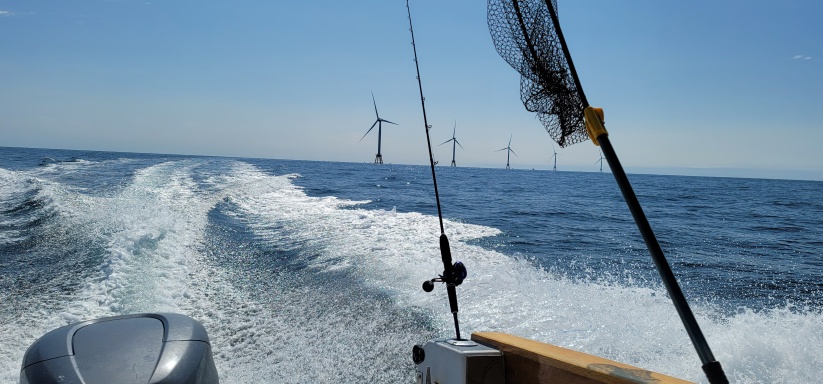
I can remember back in the late 70's early 80's catching weakfish up to 18 lbs off of buoy 20 Stratford ct, penfield reef and sunken island southport, the hot ticket was jelly worms, redfins and we also caught them on bunker chunks, in the summer of 83 I was recuperating from a near fatal accident, I had gone through physical therapy for 2 years prior to that, I was feeling pretty good so my friend and I spent the whole summer, fishing off of sunken island, it was a crazy year, the sand eels would show up every evening depending on the tide, we just anchored up and waited, sometimes for hours but eventually it happened , the water would start to boil and we tossed those redfins and cranked as slow as possible, bass, weaks and blues, right up to Oct, and then it stopped, never saw anything like it till the mid 90's when the school bass came in off of Bridgeport and penfield reef, fish after fish only to disappear weeks later, I have been privy to a lot of strange phenomenon if you will, like the yellow fin showing up in butterfish hole from 84 to 87, only to disappear in 88 and never return, i'm talking yellowfin up to 200lbs, look at cod fishing, I remember going out on the My Joy out of Niantic ct, it was my 21st , birthday in January 1972 , I caught cod up to 55 lbs, last trip I took for cod was on the helen H, late 90's early 2000, fish up to 25lbs lots of haddock, I haven't gone again since then, Now your lucky when you catch a 15lber.
I think it's all the above, to choose just one cause is not possible.
I think it's all the above, to choose just one cause is not possible.
First MateOriginal Crew508 postsSince 2019
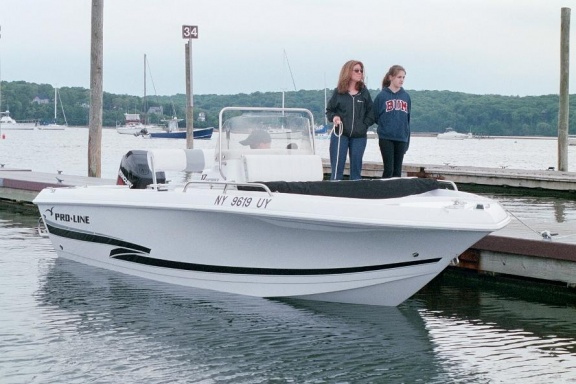
I've asked, but they won't answer.
No solutions, but here are some possibilities:
Increased fishing pressure
-With the disappearance of bluefish, those anglers are now catching and keeping fluke.
-With improved tactics, including braid, better electronics and gulp, after a few years there was an increase in the percentage of the fluke fishing fishing population catching and keeping 19"+ fluke.
-With increased size limit, anglers changed tactics to target bigger fish.
Natural pressure
-Up until a year or two ago, a large striper population put a hurt on the fluke population.
-Cormorants eating juveniles.
-Fewer sandeels.
Other possibilities
-Pollution affecting spawning, bait, habitat.
-John Skinner catching them all!
On rule I have always believed is that predator's follow the bait. So lack of bait (sand eels) would make a lot of sense.
First MateOriginal Crew780 postsSince 2019

Page 1 of 4
76 postsSign in to reply to this thread.