Green crab soup and climate change
702 views·12 replies·by AllHands
You cant make this up. Like the climate change for good measure at the end. New law looks to bring invasive species out of Long Island Sound and onto your dinner plate😜 😉 ,,,,,,,,,,,,,,,,,,,,><))))*>><))))*>
AdmiralOriginal Crew25,765 postsSince 2018
I can't see myself asking for a Green Crab anywhere outside of a tackle shop. I have seen enough of what they look like inside and out, and I don't want to eat one.
But on a bit of a more serious note, how long before green crabs are unaffordable and scarce? Also what effect will it have on the Asian crab invasion we have here already?
But on a bit of a more serious note, how long before green crabs are unaffordable and scarce? Also what effect will it have on the Asian crab invasion we have here already?
CommodoreOriginal Crew5,158 postsSince 2018
Actually Greenies make a passable tomato sauce. They're not blue claws, but they ain't bad... Places up here catch 'em and force them to shed for soft shells. Haven't had one yet, but I bet they're OK. I can fill a 5 gallon bucket in 20 minutes, still waiting for the tog to migrate here...
AdmiralOriginal Crew21,694 postsSince 2018

My point exactly George. Just another segment of recreational fishing being squeezed. As far as eating green crab “bisque”, no way, no how!Several years ago, they used to sell a "T" shirt at "Wego B&T that read:
"In Southampton they call it Sushi. In Southold we call it bait"
I think that applies here.
CaptainOriginal Crew1,847 postsSince 2018
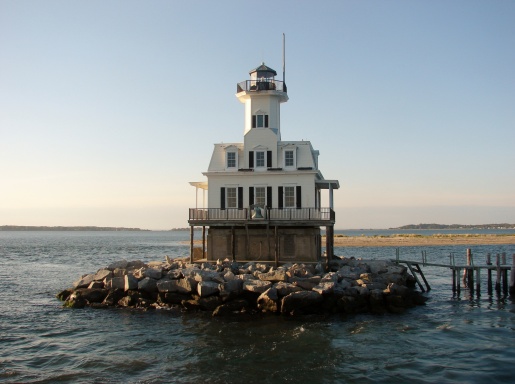
Several years ago, they used to sell a "T" shirt at "Wego B&T that read:Lol. When I lived there, that was my go to place. Still a good B&T, not the same without Steve.
"In Southampton they call it Sushi. In Southold we call it bait"
I think that applies here.
DeckhandOriginal Crew36 postsSince 2018

I sure miss SteveSteve was the best!
CaptainOriginal Crew1,847 postsSince 2018
A Maine Solution...
The first time Sam Cheeney saw a green crab was in the early 2000s, as part of an ecology class at the University of Maine at Machias.
He and his classmates ventured out across the mud flats and rocky shoreline in search of the invasive species, one that research suggests has been present on Maine’s coast since the mid-1800s, when it was carried to North America in the ballast waters of a European ship. Today, green crabs prey on soft-shell clams and mussels and have been found to harm salt marshes.
“We would find pockets of just hundreds of them,” Cheeney said. The experience made an impression. In 2023, after stints as a farmer and carpenter, and more than two decades after his first glimpse of the green crab, Cheeney founded Green Kraken, a small business based in Milbridge that makes fertilizer from crushed green crabs. The nutrients in the green crab act as a stimulant for vegetables and other crops.
For Cheeney, using crab meal as a fertilizer is about more than mitigating the invasive species’ impact on the Gulf of Maine’s ecosystem, though that’s a part of it. The other part of Cheeney’s mission goes back to his days as a farmer. While addressing fertility issues with his crops, Cheeney said he spent a lot of time thinking through the sustainability of his farm inputs.
“A lot of nutrients are mined, or they’re made from petroleum,” he said. Green crab emerged as a more sustainable, low-carbon alternative that was also local. He now sells his fertilizer in retail stores from Rockland to Machias and distributes it across New England.
Cheeney is not alone in his efforts to curb the green crab by transforming it into something new.
In South Portland, Marpheen Chann is taking a different approach: He’s working with the Fork Food Lab to find ways to add green crab to seafood dishes across Maine. Chann is the executive director of Khmer Maine, a nonprofit that works with Maine’s Cambodian community.
In Cambodia, there’s a species of crab that burrows into rice paddies, creating a nuisance for farmers. There, Chann said, people have begun incorporating the crabs into their diets, taking the form of crab paste, minced crab and salted crab.
“If you think about it, it’s not anything really new that our community here is taking a look at green crabs and sort of seeing the same problems,” said Chann.
This year, Khmer Maine’s food incubator program is doing a test run to see if there’s a market for green crabs among Maine’s Southeast Asian communities. Chann is at the helm: When we spoke last week, he told me he was “elbow-deep in green crabs.”
That work includes processing hundreds of crabs sourced from the Quahog Bay Conservancy, putting them in buckets with garlic, sugar and fermented fish sauce, and then packaging them to be flash frozen and stored for consumption later this fall.
Despite losing out on some USDA funding because of federal cuts, Chann said he’s hopeful that Khmer Maine can eventually expand its market for green crabs into Massachusetts.
These business efforts are ramping up as green crabs are becoming more and more abundant as waters continue to warm.
“They’re really thriving under climate change conditions,” said Marissa McMahan, senior director of fisheries at Manomet Conservation Sciences, explaining that warmer winters mean that more green crabs can survive and continue to grow all year long, leading them to reproduce sooner than in the past. “We’re just kind of seeing this population explosion at this particular point in time.”
Manomet established monitoring sites to track green crab population trends in 2018. Over the last seven years, McMahan said, there’s been a significant increase.
Taking a break from the fermentation buckets, Chann told me he sees an opportunity there, not only in helping to mitigate a threat to Maine’s ecosystem but in promoting cultural exchange.
“We’re educating people, not only about Cambodian culture and what Cambodian cuisine and the diet is like, but also saying, ‘hey, we’re here to help,’” Chann said. “This is an issue in Maine, and fortunately enough, it happens to be a cultural fit with our community.”
What to do about Maine’s green crab problem? Some see opportunity.
In Milbridge, a former farmer is grinding invasive green crabs into fertilizer. In South Portland, a Cambodian food incubator is incorporating them into seafood dishes.The first time Sam Cheeney saw a green crab was in the early 2000s, as part of an ecology class at the University of Maine at Machias.
He and his classmates ventured out across the mud flats and rocky shoreline in search of the invasive species, one that research suggests has been present on Maine’s coast since the mid-1800s, when it was carried to North America in the ballast waters of a European ship. Today, green crabs prey on soft-shell clams and mussels and have been found to harm salt marshes.
“We would find pockets of just hundreds of them,” Cheeney said. The experience made an impression. In 2023, after stints as a farmer and carpenter, and more than two decades after his first glimpse of the green crab, Cheeney founded Green Kraken, a small business based in Milbridge that makes fertilizer from crushed green crabs. The nutrients in the green crab act as a stimulant for vegetables and other crops.
For Cheeney, using crab meal as a fertilizer is about more than mitigating the invasive species’ impact on the Gulf of Maine’s ecosystem, though that’s a part of it. The other part of Cheeney’s mission goes back to his days as a farmer. While addressing fertility issues with his crops, Cheeney said he spent a lot of time thinking through the sustainability of his farm inputs.
“A lot of nutrients are mined, or they’re made from petroleum,” he said. Green crab emerged as a more sustainable, low-carbon alternative that was also local. He now sells his fertilizer in retail stores from Rockland to Machias and distributes it across New England.
Cheeney is not alone in his efforts to curb the green crab by transforming it into something new.
In South Portland, Marpheen Chann is taking a different approach: He’s working with the Fork Food Lab to find ways to add green crab to seafood dishes across Maine. Chann is the executive director of Khmer Maine, a nonprofit that works with Maine’s Cambodian community.
In Cambodia, there’s a species of crab that burrows into rice paddies, creating a nuisance for farmers. There, Chann said, people have begun incorporating the crabs into their diets, taking the form of crab paste, minced crab and salted crab.
“If you think about it, it’s not anything really new that our community here is taking a look at green crabs and sort of seeing the same problems,” said Chann.
This year, Khmer Maine’s food incubator program is doing a test run to see if there’s a market for green crabs among Maine’s Southeast Asian communities. Chann is at the helm: When we spoke last week, he told me he was “elbow-deep in green crabs.”
That work includes processing hundreds of crabs sourced from the Quahog Bay Conservancy, putting them in buckets with garlic, sugar and fermented fish sauce, and then packaging them to be flash frozen and stored for consumption later this fall.
Despite losing out on some USDA funding because of federal cuts, Chann said he’s hopeful that Khmer Maine can eventually expand its market for green crabs into Massachusetts.
These business efforts are ramping up as green crabs are becoming more and more abundant as waters continue to warm.
“They’re really thriving under climate change conditions,” said Marissa McMahan, senior director of fisheries at Manomet Conservation Sciences, explaining that warmer winters mean that more green crabs can survive and continue to grow all year long, leading them to reproduce sooner than in the past. “We’re just kind of seeing this population explosion at this particular point in time.”
Manomet established monitoring sites to track green crab population trends in 2018. Over the last seven years, McMahan said, there’s been a significant increase.
Taking a break from the fermentation buckets, Chann told me he sees an opportunity there, not only in helping to mitigate a threat to Maine’s ecosystem but in promoting cultural exchange.
“We’re educating people, not only about Cambodian culture and what Cambodian cuisine and the diet is like, but also saying, ‘hey, we’re here to help,’” Chann said. “This is an issue in Maine, and fortunately enough, it happens to be a cultural fit with our community.”
AdmiralOriginal Crew21,694 postsSince 2018
Sign in to reply to this thread.