Montauk water at 59.4°F as spring trophy class stacks the rips
A 3°F inside-to-outside thermal break is concentrating bait and overslot bass on the Point's current edges while Block Island Sound stays sloppy.
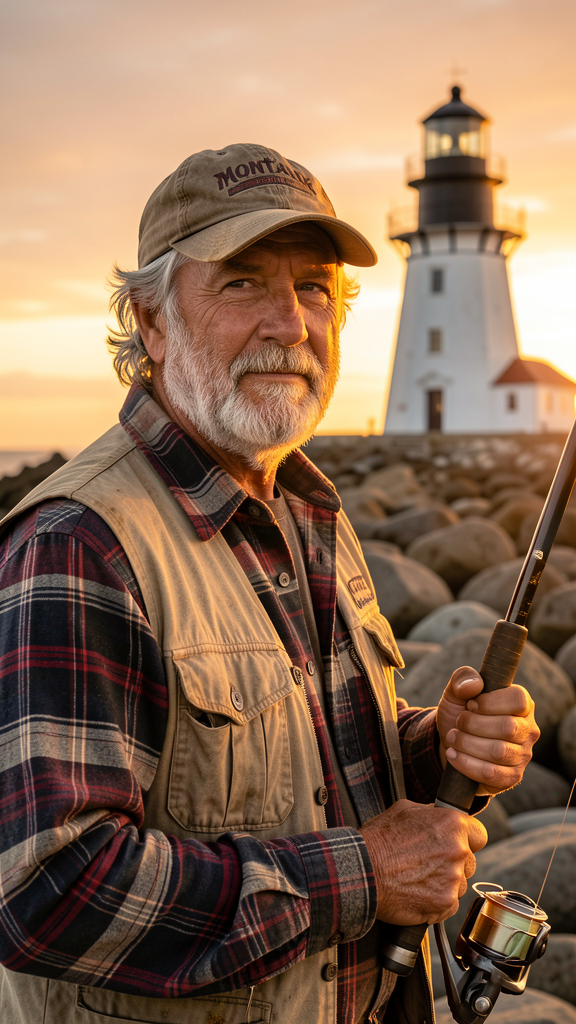
The Point is sitting on the leading edge of the spring transition this morning. NOAA's Montauk tide station (8510560) read 59.4°F at the 08:54 check, while just to the north the Block Island buoy (44097) was holding at 56.1°F with a 2.6-foot wind sea on a short 3-second period out of 304°. The NY Bight buoy (44025) was at 57.0°F with 2.3-foot seas on a longer 9-second swell. New London (8461490) is still dragging at 51.8°F, which tells you the cold reservoir to the north hasn't yet flushed into the Sound side. The takeaway: there is a real 3-degree thermal step from the inside of the Point out to the open Atlantic, and a sharper step from Montauk water into the western Block Island Sound. Offshore SST imagery hasn't refreshed since the 27th, but the buoy network is consistent enough to read the structure without it.
That thermal geometry is exactly what stacks fish on the Point in late May. The warmer water riding the south side and wrapping around the Lighthouse is pulling squid and the front edge of the bunker push into the rips, while the colder Sound water on the north side acts as a wall the bait won't cross until it warms another few degrees. That sets up the classic early-season pattern: the south side from Turtle Cove east to the Lighthouse is the high-percentage zone on the dropping tide, North Bar comes alive on the last of the flood as that warmer south-side water sweeps around the corner, and Shagwong is a tide-and-bait play rather than a sure thing because the water out there is still on the cool side of the break. Sea state at 44097 is the limiter — a 3-second period out of the northwest means the north side and the eastern rip lines will be confused and short, ugly water for a small boat but actually useful for the surf crowd working the bowls.
The size class showing up right now is the headline. This is migratory trophy water — slot fish to legitimate fifty-pounders are inside the rips, with very few shorts mixed in. That matches what's coming out of the western Sound and tracks with the squid expansion working west from Rhode Island and Nantucket Sound. When squid get into the rips at the Lighthouse in any volume, the bigger fish key on them hard, and the productive presentation collapses down to two things: a bucktail in the 1.5 to 3 ounce range worked slow on the down-current side of the rip, and a soft plastic or eel skin on a leadhead fished the same way. Live eels after dark, drifted on the south side off the Lighthouse boulder field on the first of the dropping tide, is the highest-percentage shot at a fish over forty. Bluefish in the jumbo class are running with these bass and will shred soft baits, so a wire leader is back in the program for anyone who cares about tackle.
Fluke is still a back-bay and shallow-water game. The 59.4°F reading at the Montauk station is right at the threshold where the south side ocean drifts start producing, but the deeper water hasn't caught up yet. Fort Pond Bay and the inside of the harbor are the better play for a keeper flattie until the open ocean climbs another three to five degrees. Porgies are setting up on the rockpiles inside the harbor and along the Sound shoreline. Blackfish season is winding down on the spring side but the bigger boulder fields off the Lighthouse will still give up a slob on green crabs if the swell lays down.
The next three to five days hinge on whether the northwest flow at 44097 backs off and the short-period sea in the Sound flattens. If it does, the eastern rip lines and Shagwong come into play as the warmer south-side water wraps further north. If the wind holds out of the northwest, expect the south side and Turtle Cove to do all the heavy lifting and the north side to stay junked up. Watch the Montauk tide-station temperature — once it cracks 62°F, the squid bite at the Lighthouse goes from building to peak, and the rest of the rip program goes with it.
The Point is doing what the Point does in late May. The water is warm enough, the bait is here, and the big fish are on structure. Pick your tide, pick your side, and fish where the temperature break tells you to.