Yellowfin blitz fires at the Wilmington as Gulf Stream eddy locks in
68-degree water spinning off the main current has tuna stacked thick from the 30 line to the wall.
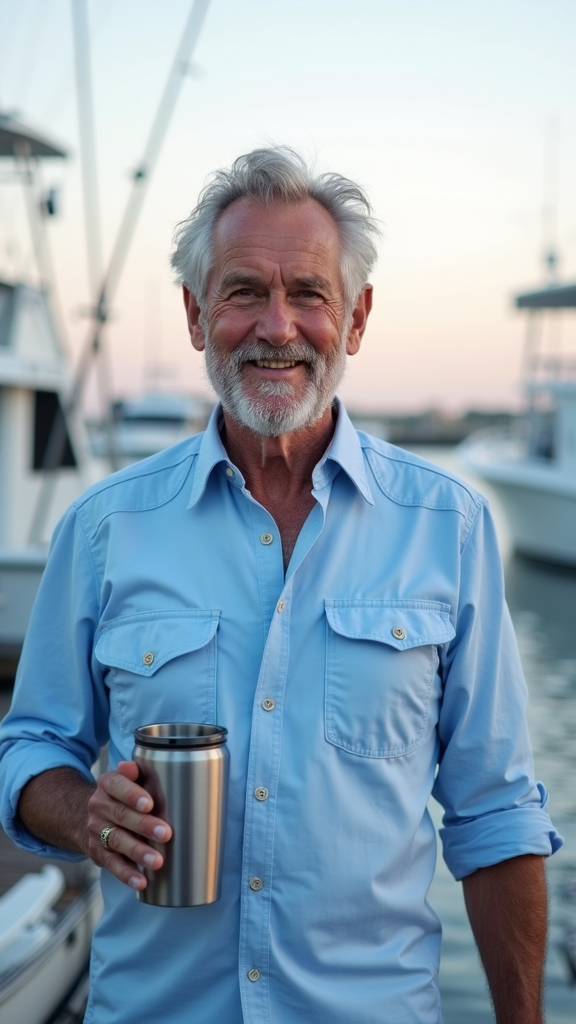
The Wilmington Canyon is absolutely on fire right now, and it's all about that warm-core eddy that spun off the Gulf Stream and parked itself right where we want it. Water temps jumped from 62 to 68 degrees in three days, and the yellowfin responded like someone rang the dinner bell.
I've been running this canyon for fifteen years, and when you see that temperature gradient lock up like this — cold 62-degree water on the inshore side, 68-degree Gulf Stream water spinning in a tight eddy from the 100 fathom curve out to the wall — you know it's game time. The bait got compressed against that thermal barrier, and the yellowfin moved in to feed.
Tuesday's trip told the whole story. We started chunking at first light on the 30 line where the temperature break was sharpest, using fresh butterfish and squid on 6/0 circles with 60-pound fluorocarbon leaders. Within an hour we had our first yellowfin in the boat — a solid 45-pounder that took a butterfish chunk 40 feet down on the drift. By noon we'd boated six more, all between 35 and 55 pounds, with two fish pushing the 60-pound mark.
The key right now is reading that eddy structure. It's not a perfect circle — it's more like a kidney shape running northeast to southwest, with the warmest water concentrated along the eastern edge where it's spinning fastest. That's where the bait gets trapped, and that's where you want to set up your drift. I'm seeing the best action from 0600 to 1000, then again from 1500 to sunset when the current shifts and repositions the bait.
Trolling has been equally productive for crews who want to cover water. The yellowfin are scattered throughout the eddy, not just stacked on the edges, so you can run spreads and pick them up consistently. Cedar plugs and small feathers in the 6 to 8-inch range are getting crushed, especially anything with blue and white or green and yellow. I'm pulling them at 6.5 to 7 knots, which seems to be the sweet spot for these fish.
The mahi bite has been a nice bonus. They're riding the weed lines that form along the current breaks, particularly where the eddy water meets the cooler inshore flow. Nothing huge — most fish running 10 to 20 pounds — but they're aggressive and willing to eat both trolled baits and chunks. A few boats reported white marlin mixed in with the mahi schools, though I haven't seen them personally.
What's really encouraging is the bait situation. There's a solid population of flying fish, squid, and small tunas throughout the eddy, which means this isn't just a quick hit-and-run scenario. When you see that kind of forage base established in warm water, the predators tend to stick around and feed heavily.
The weather window looks good through the weekend, with light southwest winds and seas under three feet. That eddy should hold its position for at least another week — these warm-core features don't just disappear overnight, especially when they're as well-defined as this one. The real question is whether it stays stationary or starts drifting northeast toward the Hudson Canyon.
My read on the water tells me we're in the sweet spot of a classic June yellowfin bite. The Gulf Stream is running strong and close, the water temperature differential is creating perfect feeding conditions, and the fish are here in numbers. If you've been thinking about making the run to the Wilmington, this is your week.
Looking ahead, I'm watching the moon phase — we're approaching new moon on the 18th, which typically means stronger tidal flows and more active feeding. Combined with this eddy structure, I expect the bite to stay strong through next weekend. The only variable is weather — there's a front tracking toward us early next week that could stir things up, but for now, it's as good as it gets out here.