Washington Canyon fires early as 68-degree water holds yellowfin and first wahoo
Warm eddy on the southwest wall stacking bait and tuna in classic June pattern.
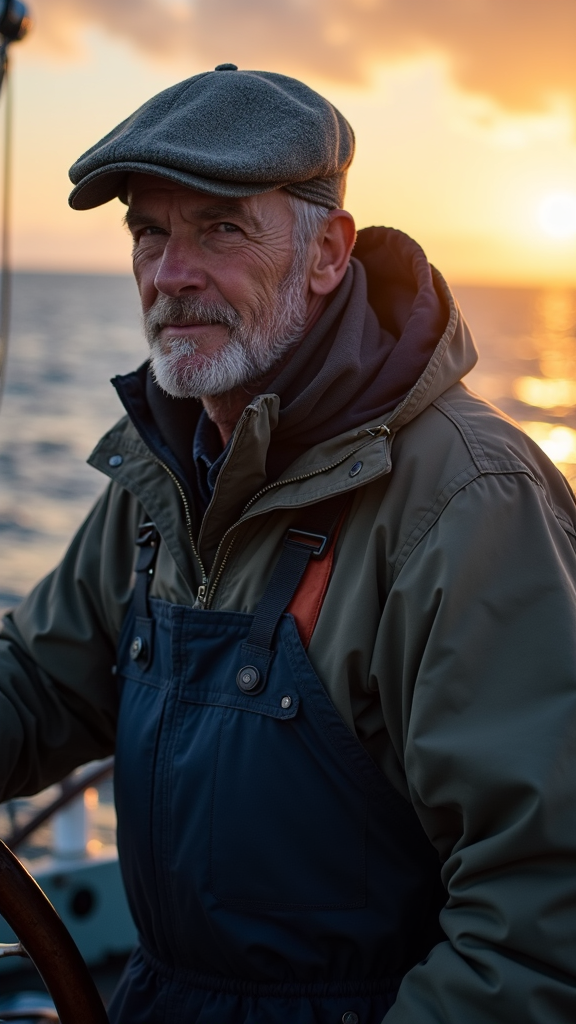
The Wash is doing what it does best in mid-June — producing fish while other canyons are still waking up. That southwest wall between the 100 and 200 fathom curves has been money all week, holding 68-degree water in a tight eddy that's got yellowfin tuna stacked like cordwood.
I've been working that 38°52'N, 72°47'W area hard since Sunday, and the pattern is textbook early season Washington. The Gulf Stream's northern edge is kissing the canyon rim, creating that temperature break we live for. Inside the eddy it's a solid 68 degrees, while the surrounding water is running 64 to 65. That four-degree gradient is like a magnet for bait, and where the bait goes, the yellowfin follow.
The fish are running 40 to 80 pounds — classic schoolie yellowfin that hit hard and fight clean. Cedar plugs are the ticket, especially the smaller 6-inch models in blue and white or green and yellow. Work them fast on the troll, 8 to 9 knots, right along that temperature break. The fish are feeding up in the water column, so don't be afraid to run your spread shallow — 50 to 100 feet back on 80-pound fluorocarbon.
What's got me really excited is the wahoo showing up already. Picked up three fish over the weekend, all in the 35 to 50 pound class, which is early even for Washington. They're hitting the same cedar plugs as the yellowfin, but you need to be ready for that screaming first run. I lost two good fish to cut-offs before I switched to wire leaders on the outside lines.
The northeast wall has been productive too, especially around the 39°05'N, 72°50'W coordinates where the bottom drops from 80 to 150 fathoms in a hurry. That's where I found the first mahi of the season — small fish, 10 to 15 pounds, but they're there. Ballyhoo on the riggers and small feathers on the flat lines are getting bit. The mahi are relating to floating grass and debris, so keep your eyes open for any color changes or floating structure.
Bait situation is solid. Plenty of flying fish getting flushed up from the deep water, and I'm seeing good schools of small tuna scattered throughout the canyon. The yellowfin are feeding heavily on these baitfish, which explains why they're so aggressive on the troll. When you find birds working, especially the gannets diving tight, that's where you want to set up.
Current has been running moderate from the southwest at about 1.5 knots, which is perfect for holding that eddy structure on the wall. Any stronger and it blows out; any weaker and the bait disperses. This flow rate keeps everything tight and concentrated.
One thing to watch — the water's been exceptionally clean, that deep blue you want to see, but there are patches of green water moving through from the northwest. When you hit that green stuff, move. The fish aren't relating to it, and you're wasting time. Stay in the blue, especially along those temperature breaks.
Looking ahead, the new moon on Friday should fire things up even more. Spring tides always seem to kick the canyon fishing into higher gear, probably because they move more bait around the structure. I'm expecting the yellowfin bite to get even better, and wouldn't be surprised to see some bluefin start showing up on the northeast corner where the cooler water meets the Stream.
Weather's been cooperative with light southwest winds, but there's a front coming through midweek that could muddy things up for a day or two. After it passes, though, I'm looking for that classic post-frontal bite when everything settles down and the fish get active again.
The early season Washington pattern is locked in — warm water, good bait, and hungry fish. If you're thinking about making the run, now's the time. Just remember to bring plenty of cedar plugs and don't forget the wire leaders for those wahoo.