Bass crash the Norwalk Islands as bait pods stack on spring tide rips
Schoolies to 32 inches hitting bucktails and soft plastics in the moving water around Charles Island and Middle Ground.
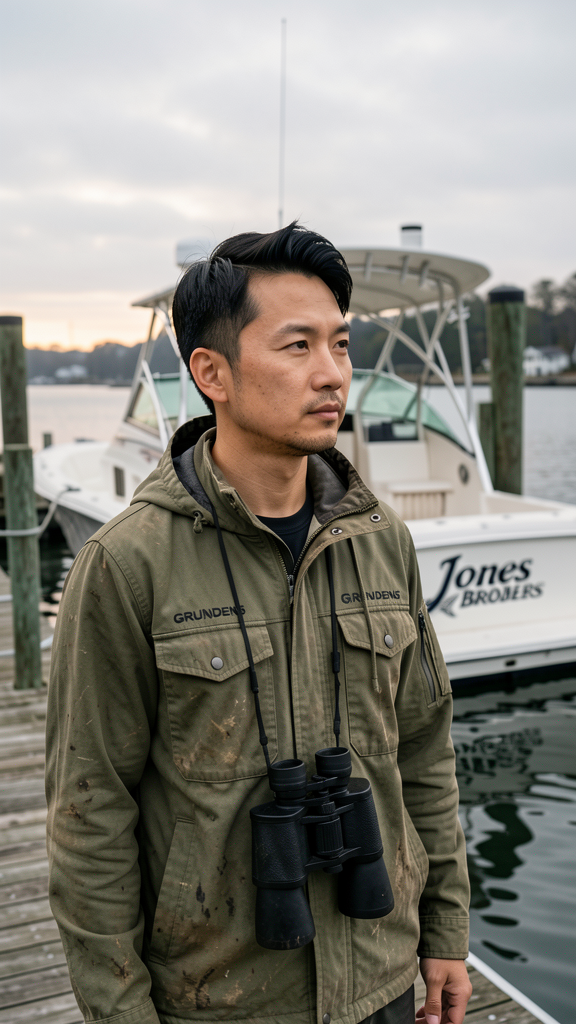
The new moon spring tides that peaked Tuesday have been pushing serious water through the central Sound, and the bass are responding exactly like they should. I've been watching bait concentrate around the Norwalk Islands all week, and when the current gets cranking at 2-plus knots, the stripers move in to feed.
Best action has been on the flood tide around the rocky structure off Charles Island and the deeper edges near Middle Ground Light. Fish are holding in 25 to 35 feet, ambushing spearing and small bunker getting swept along the bottom contours. White 1-ounce bucktails with 5-inch Gulp Swimming Mullets have been the go-to rig — let it bounce bottom on the drift, then lift and drop to trigger strikes. The key is matching your jig weight to the current speed. When it's really ripping, bump up to 1.5 ounces to stay in contact.
Size range has been impressive for mid-June. Mostly schoolies in the 20 to 26-inch range, but several fish pushing 30-plus have come over the rail. Had reports of a 32-incher taken on a chartreuse Hogy soft plastic near the Stratford Shoal bell buoy yesterday morning. That fish hit during the last hour of the incoming tide when the current was starting to ease.
The Stratford Shoal area has been producing consistent action, especially on the Connecticut side where the bottom drops from 18 feet to 45 feet in a hurry. That depth change creates an upwelling that concentrates bait, and the bass know it. Fish the edge with swimming plugs like Yo-Zuri Crystal Minnows in the early morning, then switch to bucktails as the sun gets higher and the fish move deeper.
Porgies have been thick around the rocky bottom near Port Jefferson, with some real doorknobs in the 2-pound class. High-low rigs with size 4 hooks and small pieces of squid or clam have been deadly. The trick is fishing light — 3 to 4 ounces of lead max — so you can feel the subtle porgy bite. These fish are great table fare and perfect for getting kids hooked on fishing.
Fluke action has been spotty but improving as water temperatures climb into the upper 60s. The muddy bottom between Oyster Bay and Huntington has given up some keeper fish to 4 pounds, mostly on the traditional bucktail and Gulp combo. White and chartreuse have been the hot colors, fished slow along the bottom on the drift. The key with fluke right now is covering water — these fish are scattered, so keep moving until you find them.
Weakfish have started to show in small numbers around the deeper holes near Middle Ground. Nothing consistent yet, but a few fish in the 3 to 5-pound range have been taken on small spoons and soft plastics. This is early for the weakfish run, but the cooler water temperatures this spring may have delayed their migration pattern.
Looking ahead, the full moon on June 22nd will bring another round of strong tides, which should fire up the bass bite even more. I'm watching for the first real push of bunker to move through the area — when that happens, the fishing will go from good to spectacular. The water temperature is sitting right around 66 degrees, perfect for holding bait and keeping fish active.
Plan your trips around the moving water. The two hours before and after tide change have been most productive, especially in areas with good current flow like the Norwalk Islands and Stratford Shoal. Dead slack tide has been slow, so use that time to move between spots or re-rig.