Washington Canyon fires early as 67-degree shelf water triggers first real tuna bite
Yellowfin and mahi moving up the walls as thermal gradient sets up the season's first offshore push.
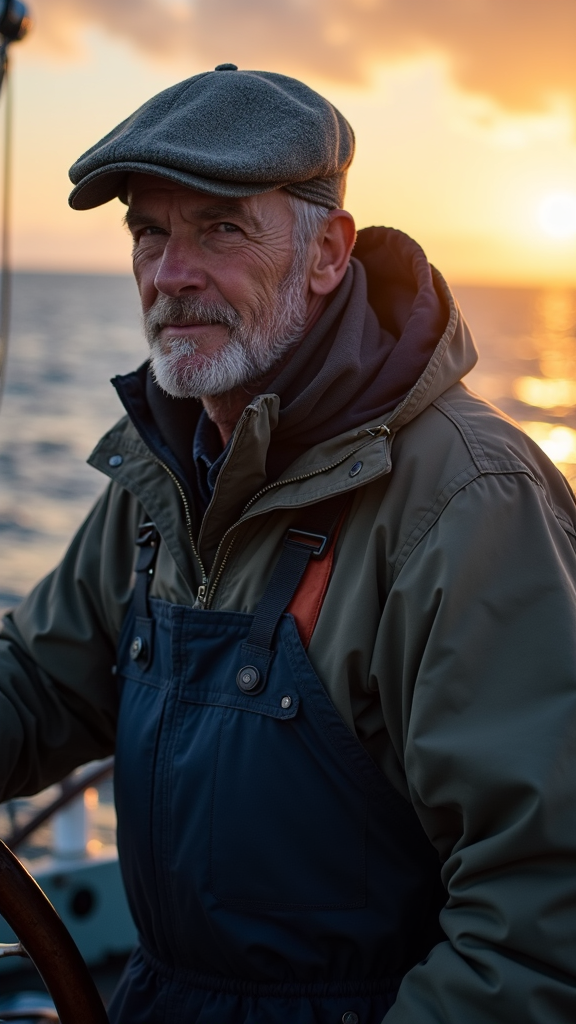
The canyon finally woke up this week, and it happened exactly where I expected it would. Water temps hit 67 degrees across the shelf — that magic number that flips the switch on Washington's early-season bite. When the thermometer climbs past 66 on the 30-mile buoy, I start rigging the spread because the yellowfin are coming.
Tuesday morning delivered the goods. Working the northeast wall in 400 feet, we found clean 68-degree water stacked against the canyon edge while the surrounding shelf held steady at 67. That two-degree gradient is what concentrates bait, and where bait goes, tuna follow. First fish came on a cedar plug trolled tight to the 100-fathom curve — a solid 40-pound yellowfin that hit like a freight train at sunrise. Two more followed on spreader bars rigged with ballyhoo, both fish in the 35 to 45-pound class.
The mahi showed up Wednesday, riding the same thermal break. These weren't the scattered schoolies you see later in summer — these were legitimate gaffers, fish pushing 15 to 20 pounds that had been feeding hard on the migration north. They hit everything: small feathers, skirted ballyhoo, even a few on live bait when we stopped to chunk. The key was staying with that temperature line as it meandered along the wall. GPS coordinates don't mean much when the water's moving — you fish the thermocline, not the numbers.
What's driving this early bite is the same pattern I've watched develop in Washington for twenty years. The canyon sits perfectly positioned to catch the first push of Gulf Stream water as it edges closer to the shelf. While the inshore guys are still waiting for their water to warm up — Great South Bay hit 74 degrees this week but the ocean side is lagging — we're already fishing 68-degree blue water that's holding serious fish.
The northeast wall has been the most consistent producer, specifically the area where the 100-fathom curve makes that sharp bend around 38°50' north. The water stacks up there on the flood tide, creating an eddy that holds bait and attracts everything from yellowfin to the occasional white marlin. I've been working depths from 300 to 500 feet, trolling a mixed spread: cedar plugs on the riggers, spreader bars on the long lines, and a single ballyhoo way back in the prop wash.
Bait presentation matters more in June than later in the season. The fish are still selective, not in full feeding mode yet. I'm pulling everything slower — 6 to 7 knots instead of the 8 to 9 knots I'll run in August. The cedar plugs are working best in natural wood, not the painted ones. For the spreader bars, I'm rigging small ballyhoo, nothing over 6 inches, with the hooks pinned tight and the baits swimming straight.
The weather's been cooperative, which is half the battle in early season. Southwest winds have been manageable at 15 knots, though seas are building to 8 feet at Block Island. That's still fishable for the bigger boats, but smaller center consoles should think twice about the run. The forecast shows this pattern holding through the weekend — southwest flow keeping the thermal structure stable.
Looking ahead, I expect this bite to strengthen as we push toward the new moon next week. The spring tides that come with the new moon phase will stir up more bait along the shelf edge, and that usually triggers the first real wahoo bite of the season. Washington Canyon in late June with new moon tides and 68-degree water — that's when things get serious.
The canyon's early reputation isn't just marketing. While other canyons are still waiting for their water to warm up, Washington consistently produces because of its position relative to the Gulf Stream's northern edge. This week proved it again. The shelf hit 67 degrees, the canyon walls are holding 68, and the fish are responding exactly like they should. Summer's officially here in the deep water.