Swim shads crush bucktails as big bass stack in The Race and Plum Gut
Seven-inch Tsunami shads producing multiple overslot stripers while traditional bucktails struggle to match size.
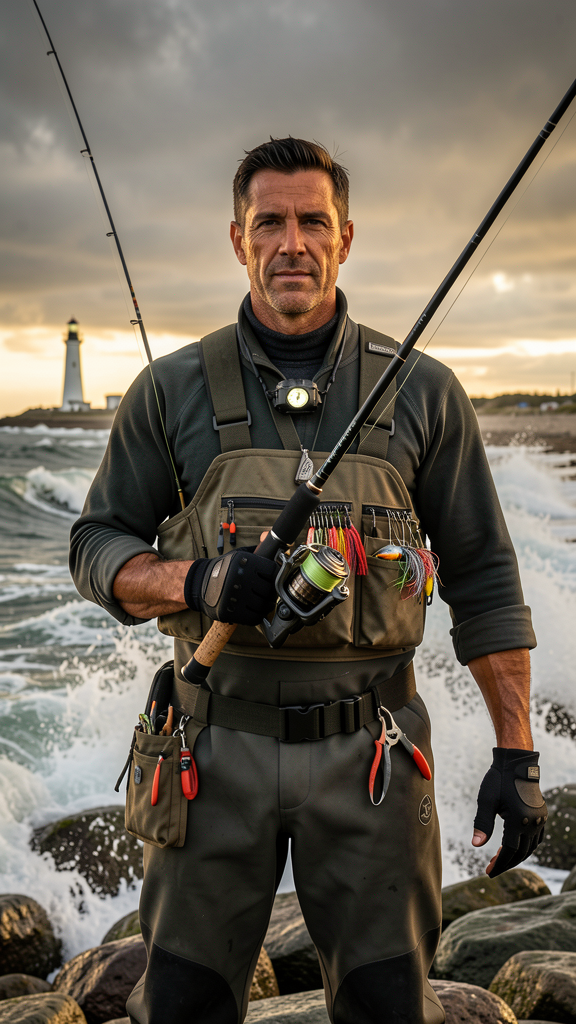
The eastern Sound is firing on all cylinders right now, and if you're still married to your bucktails, you're missing the biggest fish of the year. I've been running head-to-head tests at Plum Gut for the past two weeks, and the results are staggering — seven-inch Tsunami swim shads are consistently producing larger bass than traditional bucktails on the same drifts.
The Race has been absolutely stacked with big migratory fish, likely Hudson River stock pushing through on their way north. These aren't your typical schoolie bass — we're talking legitimate overslot fish in the 35 to 40-inch range smashing butterfish and squid in 80 to 120 feet of water. The key is getting your presentation right in that screaming current. I'm running a three-way rig with an 8 to 10-ounce cannonball, one foot of 80-pound test to the swivel, then a 5 to 6-foot leader of the same heavy material to the lure. That thick leader diameter creates stiffness that stands the bait off the bottom and reduces hang-ups on the rocky terrain.
Plum Gut has been equally productive, especially on the ebb tide — something I used to avoid but now target specifically. The current rips from 80 feet down to 40 across the main structure, then drops back into the deep. Drift speeds run 2 to 3.5 mph, so you're covering serious ground fast. The double-drop technique is critical here: hit bottom, crank twice, intentionally drop again, then pick up all the slack to eliminate belly and maintain contact. When you're marking fish on the sounder, get that bait down fast and be ready.
Bluefish have crashed the party in a big way, and they're not the cocktail blues we usually see early season. These are gorilla blues in the 8 to 12-pound class that will destroy expensive plugs without hesitation. Run wire leaders or heavy fluorocarbon — I learned this the hard way after donating three bucktails in one morning to hungry choppers at The Race.
Butterfish showed up unusually early this year, and that's what's driving this exceptional bite. Normally we don't see them in numbers until July, but they're thick from Fishers Island east to Montauk Point. The bass are keyed on them hard, along with scattered squid that are still hanging around from the spring run. When you find the bait, you find the fish — it's that simple.
Topwater action has been sporadic but explosive when conditions align. First light and slack tide periods are producing on big pencil poppers and walk-the-dog plugs, especially around the edges of the rips where current breaks create feeding lanes. The Yo-Zuri Hydro Pencil and X-Walk have been standouts when fish are up and feeding aggressively.
Sea bass fishing remains solid on the deeper structure around Fishers Island and the artificial reefs. The Mattatuck Reef has been particularly good, with steady action on bucktails and diamond jigs in the 3 to 7-ounce range. Pigeon Rip, just north of Plum Island in the ferry lane, continues to produce limits of quality keepers when you can get on the structure without the commercial traffic interfering.
Weakfish have been a pleasant surprise this week, showing up mixed with the bass at both The Race and Plum Gut. These aren't the paper-mouthed weakies of old — these fish are pulling drag and fighting like they mean it. Same three-way rigs that work for bass are taking the weakfish, though they seem to prefer the bucktails over the swim shads.
Looking ahead, we're approaching the new moon on Friday, which means spring tides and serious current. That's when The Race gets truly evil, but it's also when the biggest fish move through. Plan your drifts carefully, watch the wind against tide, and be ready to move if conditions get too rough. The full moon cycle always seems to fire up the night bite, so don't overlook the after-dark opportunities if you can handle the current safely.
Water temperatures are sitting in that sweet spot around 66 to 68 degrees — warm enough to keep fish active but not so hot that they go deep. The thermal structure is setting up perfectly for summer fishing, with cooler water holding along the deeper edges and warmer water in the shallows creating the kind of gradient that stacks bait and holds predators.
Bottom line: if you want the biggest bass swimming in the eastern Sound right now, get yourself some swim shads and head to The Race or Plum Gut on a moving tide. The fish are there, they're feeding, and they're bigger than anything we've seen this season.