Montauk bass bite explodes as 68-degree water stacks bait on the rips
Forty-pound stripers crushing eels after dark while diamond jigs produce limits in daylight.
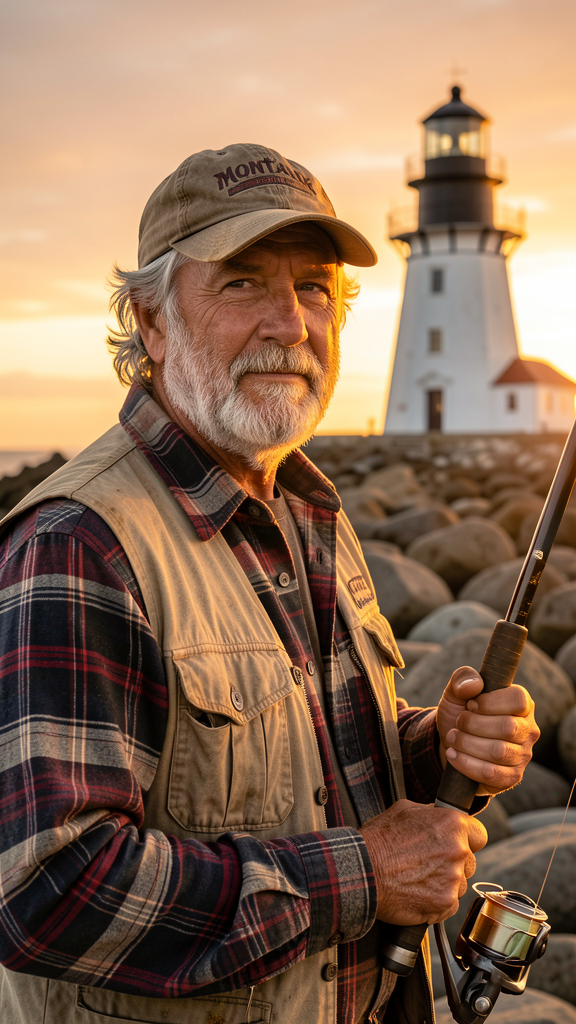
The Point is absolutely on fire right now, and it's not just the summer crowds I'm talking about. Water temps hit 68 degrees this week — that magic number that flips the switch on everything from bunker behavior to bass aggression. The rips are stacked, the bait is thick, and the fishing is as good as I've seen it in years.
Started my week working the north side of the Point on the incoming, where the 4.5-ounce Tsunami Deep Swim Shads are absolutely crushing it. The key is keeping that jig just off bottom as it swings through the rip — when the current grabs it and pulls it downstream, flip your bail and let controlled line out to get back down. I've been watching guys miss fish all week because they're not resetting properly. The deep model sinks fast enough to punch through the current and stay in the zone where these bass are feeding.
The real story is happening after sunset. Eels are producing bass to 40 pounds, and I'm not talking about the occasional lucky fish. These are consistent, quality stripers that have moved into their summer haunts around the boulder fields. The 68-degree water has created a perfect thermal layer that's holding sand eels tight to structure, and the bass know it. I'm fishing live eels on fishfinder rigs, 30-pound fluorocarbon leaders, and letting them work naturally around the rocks on the outgoing tide.
Diamond jigs are still the bread and butter during daylight hours. Two-ounce models in the traditional chrome and blue are getting crushed in 25 to 40 feet of water. The technique is simple but critical — vertical jigging with just enough retrieve to keep contact as the jig falls. These aren't the monster bass we're seeing on eels, but limits of 28 to 32-inch fish are common, with plenty of overs mixed in.
The bait situation is what's really driving this bite. Sand eels are everywhere, and I mean everywhere. The water clarity is exceptional — that clean, green tint that tells you everything is right. Bunker are scarce compared to typical years, but the sand eels and squid are more than making up for it. I've been watching ospreys work the schools all week, which is always a good sign.
Fluke fishing has picked up dramatically on the south side. The Viking Fleet and Ebb Tide are reporting consistent action in 30 to 50 feet, with doormat potential on every drift. White Gulp Swimming Mullets on 3/4-ounce bucktails are the go-to rig, worked slow and steady on the bottom. The key is the drift speed — too fast and you're over the fish, too slow and they lose interest.
Porgies are clustering rather than scattered, which makes for hot action when you find them but tougher fishing overall. The 68-degree water has them active, but you need to move around to locate the schools. Once you find them, it's game on with clam strips and small hooks.
What's really interesting is the mixed bag potential right now. I'm seeing cocktail blues in the 1 to 2-pound range showing up — always a great sign for the overall health of the ecosystem. Sea bass are thick on the deeper structure, and even some early weakfish are starting to filter through on the night tides.
The moon phase is working in our favor too. We're coming off new moon, which means the spring tides have been flushing bait out of the back bays and concentrating it around the Point. The current has been ripping, which is exactly what you want for both the diamond jig bite and the eel fishing.
Looking ahead, this 68-degree water is the sweet spot for summer fishing at Montauk. The bass have settled into their patterns, the bait is established, and we're entering the most consistent period of the year. The full moon on Friday will bring big tides — I'm expecting the inlet to drain hard at sunset, which should fire up the first real push of weakfish. Keep an eye on the rips during the peak flow periods, and don't overlook the back side of Shagwong Reef on the flood.
This is why they call Montauk the striper capital of the world. When conditions align like this — perfect water temps, abundant bait, and fish in their summer haunts — there's simply no place like the Point.