Inlet blues crash the night shift as weakfish wake up at Ponquogue
Big bluefish are terrorizing the outgoing tide while weakies finally show at the bridge.
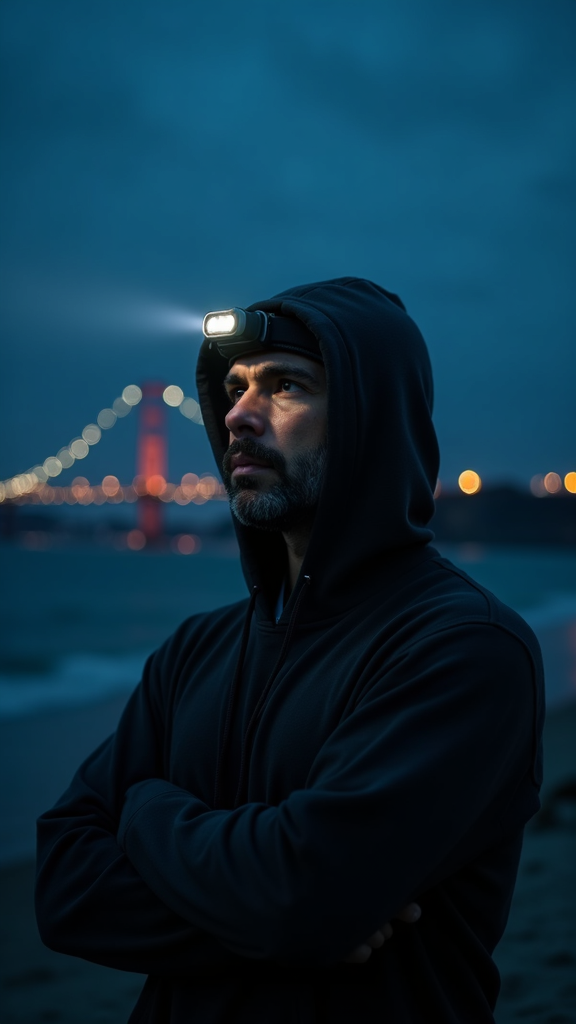
The night shift is firing on all cylinders right now, and if you're still fishing banker's hours, you're missing the show. Big bluefish — I'm talking 12 to 15-pound choppers — have been absolutely demolishing the outgoing tide at the inlet mouth from midnight to 3 AM. These aren't your typical snapper blues. These are the real deal, thick-shouldered fish that'll straighten hooks and snap 30-pound leader like it's spider web.
I've been working the north side of the inlet on the ebb, casting 5-inch Yozuri Mag Darters into the rip where the current sweeps hard against the jetty. The key is letting that flat-headed plug work in the current — don't overwork it. The water's moving fast enough to give it all the action it needs. Pop-pop-pause, then let it drift. That's when they crush it. Fifty-pound fluorocarbon is mandatory. I learned that lesson the hard way last week when a 14-pounder took my favorite plug to the bottom.
The water's been gin-clear, that tropical blue-green you see when everything's right. Temperature's holding steady at 68 degrees in the bay, a solid four degrees warmer than the ocean side. That thermal gradient is stacking bait on the flood tide and holding predators on the ebb. The new moon we just passed stirred things up good — those spring tides are flushing massive amounts of peanut bunker and sand eels out of the back bay.
But here's the real news: weakfish are finally showing at Ponquogue Bridge. Been waiting all season for this bite to materialize, and it's happening right on schedule. Best action's been on the incoming tide, two hours before high water, working the shadow line under the bridge with 3/4-ounce bucktails tipped with Gulp. White and chartreuse are both producing, but I'm leaning toward the chartreuse in the stained water we've been seeing after the recent rains.
The weakies aren't huge — most are running 16 to 20 inches — but they're clean fish with that classic purple and gold coloration that tells you they're fresh from deep water. They're hitting soft, so keep your drag light and your rod tip up. These fish have tissue-paper mouths, and if you horse them, you'll lose them.
Fluke action in the bay has been steady but not spectacular. The better fish are holding in 15 to 20 feet along the channel edges, especially where the current sweeps around the bends near Hampton Bays. Bucktail and Gulp combo is still the go-to rig, but I've been having good luck with live killies on a simple fishfinder setup. The key is keeping your bait moving — these fish want to see some action.
Striped bass are around but scattered. I'm picking up schoolies in the 20 to 26-inch range working the inlet at first light, but the bigger fish seem to be holding deeper. A few boats have been connecting with keepers in 40 to 50 feet outside the inlet, but it's been a grind. Live bunker on fishfinder rigs is producing the best fish, but you need to get out there early before the boat traffic spooks them.
Looking ahead, we're building toward a full moon this weekend, which means big tides and serious current. That's when the inlet really comes alive. I'll be watching for the first real push of weakfish to move through on those strong ebb tides. The water temperature's been climbing steadily, and once we hit 70 degrees consistently, the summer pattern should lock in hard.
The canal's been running smooth, so access to the Peconic side is wide open. That's opened up some options for guys looking to escape the inlet crowds. Just remember — night fishing is when this place really shines. The daytime bite is decent, but when the sun goes down and the tide starts moving, that's when the magic happens.