Poor Man's Canyon bluefin bite fires as thermal breaks stack bait deep
Mid-Atlantic canyons producing quality yellowfin and scattered bluefin as water temps stabilize in the 70s.
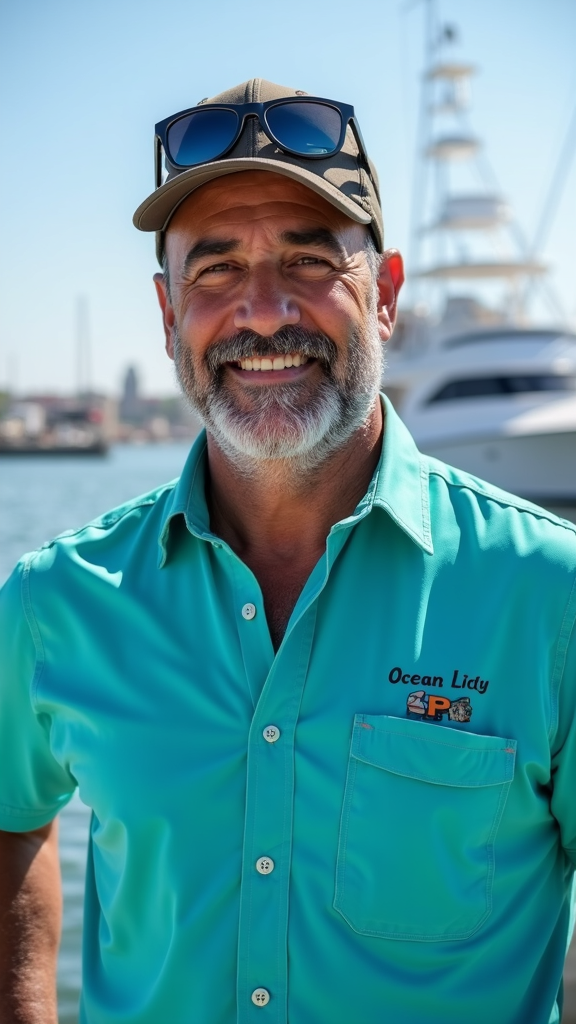
The southern canyons are finally showing their summer personality, and it's about time. After weeks of scattered reports and marginal conditions, Poor Man's Canyon delivered the goods this week with bluefin tuna crashing bait in 200 to 300 feet of water along the northwest wall. These aren't the giants we dream about, but solid 40- to 60-pound fish that'll test your tackle and fill the cooler.
The key has been finding the thermal breaks where 72-degree blue water meets the cooler 68-degree inshore push. That 4-degree gradient is stacking skipjack and small albacore tight to the canyon edges, and the bluefin are capitalizing. We're marking heavy bait concentrations between the 100 and 200-fathom curves, particularly where the bottom drops from 180 to 400 feet in a hurry.
Tactics are straightforward but execution matters. Chunking with butterfish and mackerel is producing the most consistent action, especially on the drift when current is running southwest at 1.5 to 2 knots. Set your spread with a mix of chunk baits — fresh butterfish on 8/0 circles for the bigger fish, and smaller mackerel chunks on 6/0s for the yellowfin that are mixed in. The yellowfin are running 20 to 40 pounds and absolutely smoking anything that moves.
Trolling the temperature breaks has been money for wahoo and scattered mahi. Cedar plugs and small ballyhoo behind planer boards are getting crushed when you find that color change. The wahoo are typical summer fish — 25 to 45 pounds with razor teeth and attitude. Single-strand wire is mandatory, and don't cheap out on your terminal tackle. These fish will straighten hooks and part line without breaking stride.
Spencer Canyon has been the sleeper this week. The northeast corner where it intersects with the continental shelf has been holding yellowfin consistently, particularly during the early morning hours when bait is tight to the surface. Butterfly jigs in blue and silver are absolutely deadly when you mark fish between 80 and 120 feet down. Work them with an aggressive lift-and-drop cadence — these fish want reaction strikes, not finesse presentations.
Lindenkohl has been tougher but still producing for boats willing to work for it. The southern edge where the canyon opens toward the shelf break has been holding scattered bluefin, but they're spooky and require a patient approach. Live bait when you can get it — peanut bunker or small mackerel on circle hooks — but most guys are making do with fresh dead baits and doing just fine.
Norfolk Canyon continues to be the most consistent producer for variety. White marlin are starting to show in decent numbers along the eastern wall, particularly where the 30-fathom curve drops into the abyss. Ballyhoo on circle hooks behind a small planer or kite-fished live baits are getting the most shots. The marlin aren't huge — most running 40 to 60 pounds — but they're willing and aggressive.
The mahi bite has been scattered but quality when you find them. Look for floating debris, particularly along the temperature breaks where warm water meets cooler upwelling. Small ballyhoo trolled at 6 to 8 knots, or live bait when you can catch it, will put fish in the boat. The bigger bulls are holding deeper structure, so don't be afraid to work your baits down to 100 feet when the surface action slows.
Current has been the wild card this week. Spring tides from the new moon pushed a lot of water through the canyons, stirring up bait and activating the bite. But it also made boat control challenging, especially when trying to maintain position over specific structure. Plan your drifts accordingly and don't fight the current — work with it to present baits naturally.
Looking ahead, the full moon this weekend should bring another round of strong tides and active fishing. Water temperatures are stabilizing in the low 70s, which is prime for yellowfin and should keep the bluefin bite consistent. The key will be finding fresh bait — the skipjack and small albacore that have been stacked in the canyons are starting to spread out as water warms, so mobility will be crucial. Watch for bird activity and temperature breaks, and don't be afraid to run and gun between canyons when the bite slows.