Stratford Shoal rip fires as bay water hits 68 degrees
Bucktails and spearing are connecting on keeper bass as the thermal gradient stacks bait.
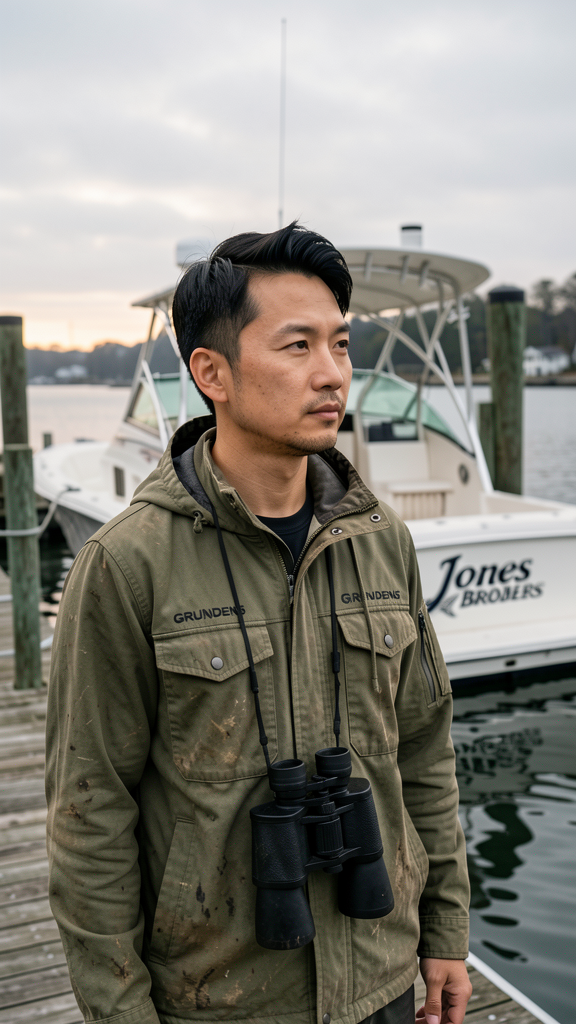
The Central Sound is finally showing its summer personality, and the fish are responding exactly how they should. Water temperatures pushed past 68 degrees in the protected harbors this week while the main channel is holding steady around 65 — that 3-degree gradient is creating the kind of thermal breaks that concentrate bait and trigger feeding.
I've been watching the Stratford Shoal rip closely, and Wednesday's outgoing tide told the whole story. Spearing are thick on the up-current side of the shoal, getting pushed over the structure and creating a feeding lane that stretches nearly a quarter-mile downtide. Worked that zone with 3/4-ounce white bucktails tipped with 4-inch spearing, keeping the jig just off bottom as it swept through the break. Connected with three keeper bass between 26 and 32 inches, all hitting on the pause as the bucktail fluttered down.
The key is reading that rip correctly. Too early in the tide and you're fighting 2 knots of current with nothing to show for it. Too late and the bait disperses. Sweet spot is about two hours into the ebb when the flow moderates to maybe 1.2 knots — fast enough to position bait but manageable for presentation.
Port Jefferson Harbor has been producing consistent action on the flood tide, particularly around the ferry slip pilings. The warmer harbor water is drawing schools of peanut bunker, and bass are following them in. Live-lined bunker on a simple fishfinder rig has been the most reliable approach, though I've also seen fish taken on small diamond jigs worked vertically along the structure. Best action comes in the last hour before high water when the bunker get pushed tight against the pilings.
The Norwalk Islands circuit is heating up as well. Charles Island's north side has been holding good numbers of blues in the 3 to 8-pound range, with the occasional bass mixed in. They're feeding aggressively on the incoming tide, particularly around the rocky points where current creates ambush zones. Kastmasters and small poppers are both producing, but you need to be there right as the tide starts to flood — the window is narrow but intense.
Middle Ground Light continues to be my go-to spot for mixed bags. The 40-foot contour around the light has been holding sea bass, porgies, and the occasional fluke. High-low rigs with clam and squid strips are standard, but I've been having better luck with small bucktails bounced along bottom. The structure around the light creates enough current deflection to keep bait active, and the fish respond to movement.
Fluke action has been spotty but improving. The 30-foot zone between Oyster Bay and Huntington has produced a few keepers on white Gulp Swimming Mullets rigged on 1/2-ounce jig heads. The key is working the edges where sand meets harder bottom — fluke are staging on these transitions, waiting for the current to deliver bait.
Looking at the lunar calendar, we're approaching a new moon Friday, which means spring tides and stronger currents through the weekend. That should fire up the rips even more, particularly Stratford Shoal and the edges around Middle Ground. The increased water movement will concentrate bait and trigger more aggressive feeding.
Weather looks cooperative through the weekend with light southwest winds and building seas staying under 3 feet. That's perfect for working the mid-Sound structure without getting beat up.
Next week's outlook hinges on how these water temperatures develop. If the bay water continues warming while the main channel stays cooler, we should see even better thermal breaks and more concentrated bait schools. I'm particularly watching for the first real push of adult bunker — when that happens, everything changes in the Central Sound.