Race rips fire as big bass crash butterfish schools in 60-foot water
Plum Gut producing slot fish on three-ways while topwater action explodes at first light in the eastern rips.
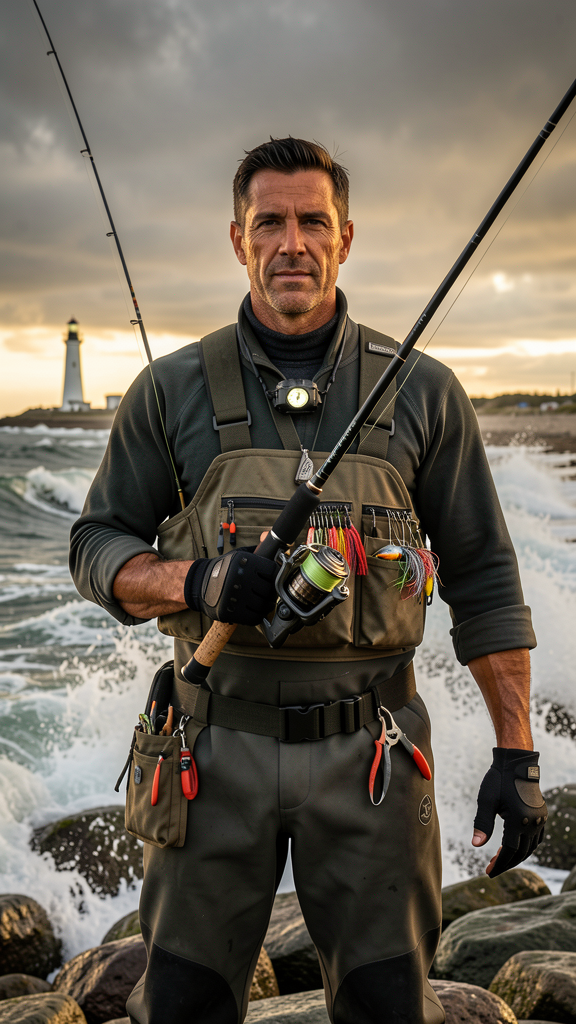
The eastern Sound is absolutely on fire right now, and it's all about reading the current and being where the bait stacks up. I've been hammering The Race and Plum Gut for the past week, and the fishing has been as good as I've seen it in years.
The Race is the story right now. Big migratory bass — I'm talking 35 to 45-inch fish — are crushing butterfish schools in 60 to 80 feet of water where the rip builds. These aren't your typical spring schoolies. These are thick Hudson River fish that have pushed into our zone and they're feeding aggressively. I've been working three-way rigs with 8-ounce cannonballs and 6-foot leaders of 80-pound test to stand the bucktails off the rocky bottom. The heavy leader isn't just for abrasion — the stiffness keeps your presentation clean in that screaming current.
Here's the key: you need to time the drift perfectly. I'm hitting The Race on the last two hours of the ebb when the current is ripping at 3 to 4 knots. The fish are stacked on the up-current side of the rip where the butterfish get pinned against the structure. Drop your rig in 80 feet, follow the bottom contour as it rises to 40, then cranks up preemptively as you approach the shallow water to avoid the snags.
Plum Gut has been more consistent for numbers. The flood tide has been the producer here, especially the first two hours when the current builds momentum. I'm seeing mostly slot fish — 28 to 34 inches — with the occasional overslot mixed in. Same three-way setup, but I've been alternating between white bucktails and 7-inch Tsunami swim shads. The shads are definitely pulling bigger fish, which makes sense when you consider the size of the bait these bass are keying on.
The topwater bite has been insane at first light. When the current slacks at dawn, these fish push up in the water column and absolutely demolish big pencil poppers. I'm talking about 6 to 8-inch plugs thrown into the rip edges where the water boils. The key is being there right at slack water — you've got maybe a 20-minute window before the current picks up and pushes them back down.
Bluefish have crashed the party in a big way. These aren't the typical snappers — I'm seeing gorilla blues in the 12 to 15-pound class that are absolutely wrecking expensive plugs. Use a wire leader or you'll be donating tackle all morning. The blues are actually a good sign because they're following the same bait concentrations that are holding the bass.
The bait situation is what's driving everything. Butterfish showed up early this year and they're thick throughout the eastern Sound. There's also scattered bunker and some squid still hanging around from the spring push. The water temperature has stabilized in the mid-60s, which is perfect for keeping these bait schools concentrated in the rips.
Fishers Island has been producing solid blackfish action for those looking to get away from the bass crowds. The 20 to 30-foot drops on the west side of the island are holding keeper tog, especially on the flood tide when the current pushes crabs and other bottom forage into the structure.
Looking ahead, we're coming up on the new moon this weekend, which means spring tides and stronger currents. That should really fire up the rip fishing, but you'll need heavier tackle to deal with the increased flow. I'm expecting the bass to push even tighter to the structure as the current intensifies, so precision drifting will be critical.
The key to success out here right now is mobility and reading the water. Don't get married to one spot — if the fish aren't there on the first drift, move. The current is constantly shifting these bait schools, and the bass are following. Stay aggressive, stay mobile, and be ready for some of the best eastern Sound fishing we've seen in years.