Weakfish crash Fire Island surf as bay temps hit perfect feeding zone
Seven-pound trout leads charge while fluke stack deep on the Captree drift.
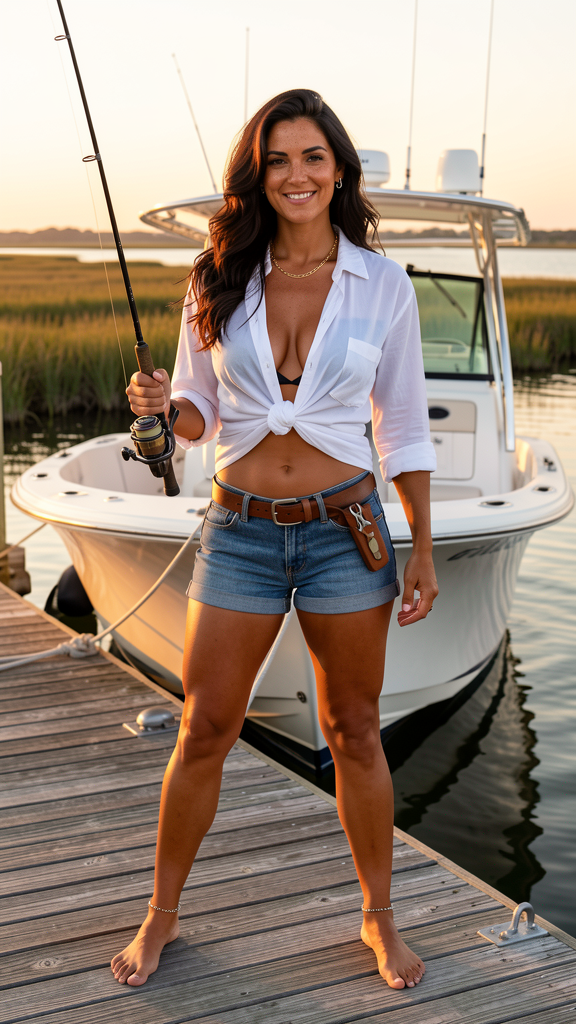
The water's telling a story this week, and it's one I haven't heard in years. A legitimate 26-inch, 7.3-pound weakfish came out of the Fire Island Inlet surf on a 9-inch Gravity Tackle Sand Eel — the kind of fish that makes you remember why we call them trout. That's not a fluke catch, either. The weakfish are staging in numbers I haven't seen since the late '90s, working the inlet mouth where the bay water meets the ocean.
What's driving this? Bay temperatures have climbed into that sweet spot — mid-60s where the bait gets active and the predators follow. The thermal gradient between the bay and ocean is creating a feeding funnel right at the inlet. On the incoming tide, you've got warmer bay water pushing bait toward the surf line. On the outgoing, cooler ocean water creates an edge that holds fish.
I've been working the inlet hard at dawn, casting big sand eels and paddle tails into the wash. The key is fishing the transition water — not the deep channel, not the shallow flats, but that 8 to 12-foot zone where the currents collide. White and chartreuse soft plastics on 3/4-ounce jigheads are producing, but don't overlook live spot if you can find them. The weakfish are feeding aggressively, but they're also spooky. Keep your casts long and your retrieve varied.
The fluke bite has been equally impressive, though you need to adjust your thinking. The Captree fleet is finding keeper fish in 25 to 35 feet of water off the Robert Moses bridges, but it's not the typical bucktail-and-Gulp show. The fish are holding tight to structure — bridge pilings, channel edges, anywhere the current creates an ambush point. I'm seeing success with live killies on a three-way rig, especially on the outgoing tide when the bait gets swept through the spans.
Sand eels remain the consistent producer for fluke. Rig them on a fishfinder setup with just enough weight to hold bottom — 2 to 3 ounces in most spots. The bite window is narrow, usually the first two hours of the outgoing tide when the current is moving but not ripping. After that, the fish seem to shut down until the next tide change.
The party boat action out of Captree has been solid for mixed bags. Sea bass are thick in 40 to 60 feet, with plenty of keepers mixed in with the shorts. Diamond jigs in gold and silver are working, but don't overlook clam strips on high-low rigs. The ling are showing up in good numbers too — not the most glamorous fish, but they fight hard and eat well.
What's really got my attention is the bait situation. The bunker schools that have been absent for weeks are finally showing up in the bay. Small pods are working the flats from Babylon to Patchogue, and where you find bunker, you find bass. I'm not seeing the blitz fishing yet, but the setup is there. The new moon this weekend should push more bait around and get the stripers more active.
Looking ahead, I'm watching the weather pattern closely. We've got a stretch of stable conditions coming — light winds, moderate tides, and water temperatures that should hold steady. That's perfect for the weakfish bite to continue, and it might be the catalyst for the striper fishing to really take off. The full moon is still two weeks away, but the building tides should start moving more bait through the inlet.
My advice for the coming week: hit the Fire Island surf at first light with big soft plastics. Work the inlet mouth on both sides, but pay attention to the current. The fish are there, but they're not everywhere. Find the bait, find the structure, and be ready to move if the bite shuts down. This is shaping up to be one of those magical summer weeks when everything comes together.