Montauk bass bite fires as sand eels stack the rips and 40-pounders hit eels
Diamond jigs crushing blues to 10 pounds while night eel fishermen connect with slot-plus stripers in the boulder fields.
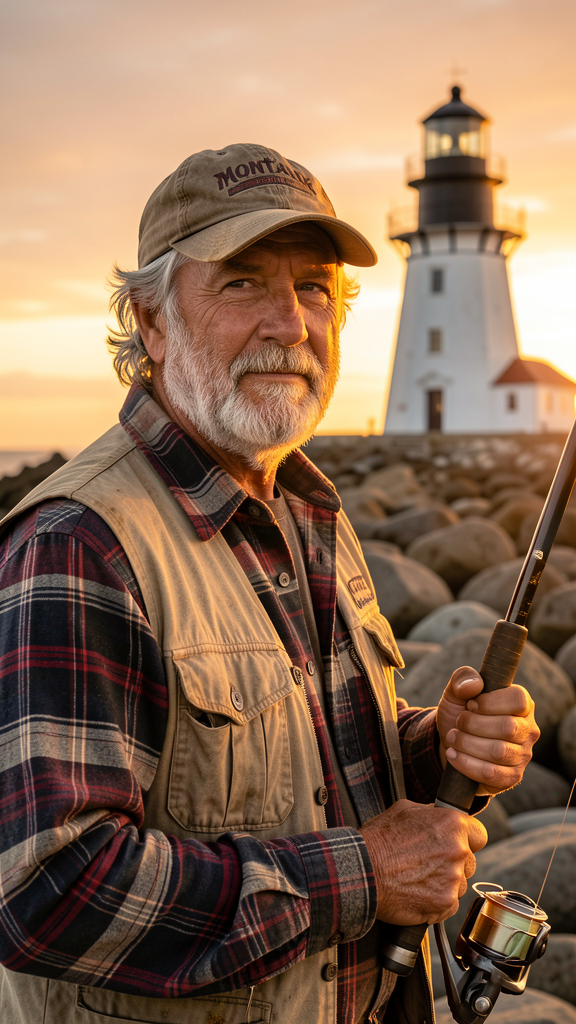
The Point is absolutely on fire right now, and it's everything we've been waiting for since the spring migration settled into summer patterns. Bass fishing has reached that magical peak where the rips are loaded, the bait is thick, and the big fish are feeding with abandon.
The diamond jig bite has been nothing short of spectacular. Crews are coming back with couple dozen bass and couple dozen blues to 10 pounds, all taken on traditional 3 to 4-ounce diamonds worked through the current. The key is getting down to where the fish are holding — usually 40 to 60 feet depending on the drift — and letting the jig flutter on the drop. White and chartreuse are producing consistently, but don't overlook the classic silver when the sun gets high.
What's really got my attention is the night eel bite. We're seeing legitimate 40-pound-class bass coming over the rails after sunset, fish that have been feeding heavily on the abundant sand eels during daylight hours and switching to bigger meals when darkness falls. The technique is straightforward but demands patience: fishfinder rigs with 8/0 circles, 3 to 4-ounce pyramid sinkers to hold bottom in the current, and the freshest eels you can find. Fish them tight to the boulder fields on the incoming tide, especially the last two hours before slack.
The sand eel population is absolutely stacked right now, which explains why the fishing has been so consistent. These baitfish are concentrated along the drop-offs and in the rip lines, creating feeding opportunities that the bass simply can't ignore. When you combine that with the squid that have been pushing through and the scattered bunker schools, you've got a buffet that's keeping fish in the area rather than pushing them further east.
Bucktails are also producing quality fish, particularly for anglers who prefer working the structure during daylight hours. Three-quarter-ounce heads with white or chartreuse tails, bounced along the bottom on the drift, are accounting for solid keeper bass in the 28 to 35-inch range. The key is maintaining bottom contact while still giving the jig enough action to trigger strikes.
The fluke bite has been picking up significantly, with boats working the south side drops finding consistent action. The Viking Fleet and Ebb Tide have been reporting steady catches, with fish coming from 30 to 50 feet of water on the traditional white Gulp and bucktail combinations. The porgies are clustering rather than scattered, which means when you find them, you can fill the cooler quickly.
Water temperatures have been climbing steadily, hitting the mid-60s on the ocean side while the back bays are pushing into the upper 60s. This temperature differential is creating the kind of gradient that stacks bait and holds fish, particularly around the inlet where the exchange is most pronounced. The new moon period we just finished was tough — as expected — with fish scattered and waiting for current to pick up. But now that we're building toward the full moon Friday, the spring tides are going to flush serious water through the rips.
The small cocktail blues in the 1 to 2-pound range have started showing up, which is always a great sign for the summer bite. These fish are indicators that the forage base is healthy and that bigger predators won't be far behind. They're taking small metals and bucktails, and they're excellent bait for the big bass if you can keep them lively.
Looking ahead, this full moon is going to create some serious current flow, and I expect the rips to absolutely light up. The big tides will move massive amounts of water, concentrating bait and creating the kind of feeding opportunities that produce memorable trips. Night fishermen should focus on the boulder fields during the peak flow periods, while day anglers will find the best action during the hour before and after the tide change.
The offshore scene has been producing as well, with swordfish reports coming from the canyon edges. While that's beyond most of our daily concerns here at the Point, it's another indicator that the entire ecosystem is firing on all cylinders.
This is Montauk at its finest — multiple species feeding aggressively, bait everywhere you look, and conditions that reward both skill and persistence. Whether you're throwing metals in the rips or soaking eels in the boulders, the fish are here and they're hungry. Just remember to check your drag before you drop that diamond jig — these bass are pulling hard right now.