Bluefish blitz fires Shinnecock Inlet as crystal-clear water stacks bait
Giant blues to 34 inches crash bucktails while stripers work the shadows on the outgoing tide.
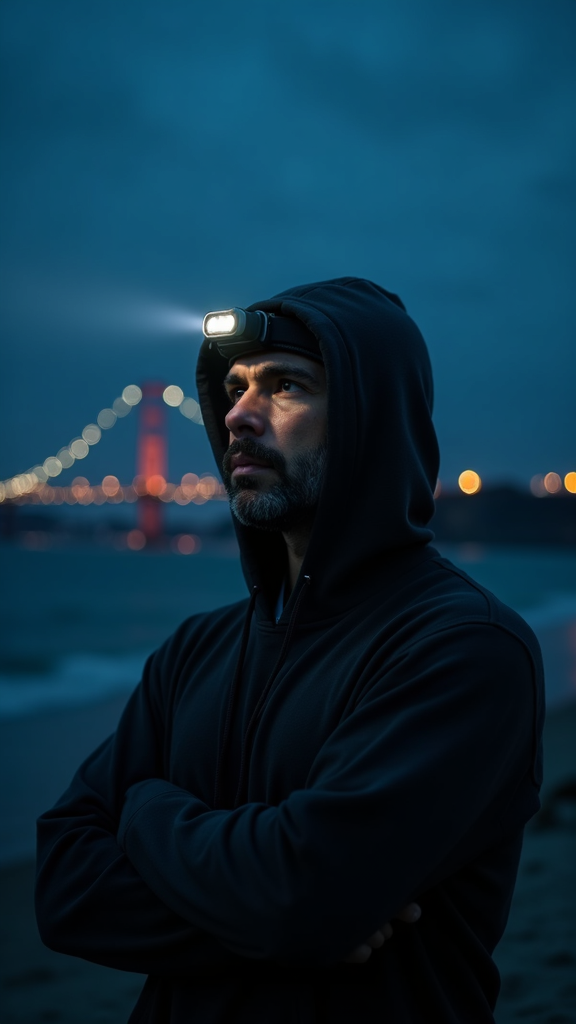
The inlet's been on fire this week, and I mean absolutely lit up. Crystal-clear blue-green water has the whole system looking tropical, and the fish are responding like it's prime time. Big bluefish — I'm talking 30-plus-inch choppers — are absolutely crushing everything that moves in the main channel, while stripers are working the edges like ghosts in the gin-clear water.
The action starts about two hours into the outgoing tide when the current really gets moving. That's when the bait gets flushed out of the bay and stacks up in the inlet mouth. I've been working 3/4-ounce bucktails with white Zoom fork tails, and the pop-pop-pause retrieve is absolutely deadly. Cast into the rip, let it sink, then work it with sharp pops followed by a three-second pause. The hits come on the drop every time.
Here's the key — you need to position yourself on one side of the structure or the other to get your bait down in this current. The middle of the channel is too fast, but work the edges and you'll find the sweet spot where the bucktail can get down and work properly. I've been using 30-pound fluoro leader because these blues will cut you off in a heartbeat, but it's light enough that the stripers don't get spooked in this clear water.
The bluefish are absolutely savage right now. When they're blitzing on top, throw a 5-inch Yozuri Mag Darter right into the chaos. That flat head gives it perfect action even in the strong current — the water pushes it around just enough to look alive during the pause. But here's the trick: when the blues are going nuts on top, swing a bucktail underneath the school. That's where the stripers are holding, and I've been picking up some beautiful fish in the 15 to 20-pound class doing exactly that.
The water clarity is unreal right now — you can see bottom in 15 feet, and the fish are spooky because of it. That's why I've been fishing mostly at night when the inlet really comes alive. The outgoing tide after dark is when the big stripers move, and they're less cautious in the low light. I've been working the north jetty with live peanut bunker on fishfinder rigs, tight to the rocks on the ebb.
Inside the bay, the fluke bite has been solid but not spectacular. The cleaner water has them finicky, so I've been downsizing to 4-inch Gulp Swimming Mullets on 1/2-ounce bucktails instead of the usual 5-inch baits. Work the deeper holes in 20 to 30 feet, especially around the Hampton Bays marina area where the channel drops off. The fish are there, but they want a more subtle presentation.
Weakfish have been showing at the Ponquogue Bridge on the night tides, nothing huge but some decent 2 to 3-pound fish on small bucktails with pink teasers. The key is fishing the shadow line where the bridge lights hit the water — they seem to ambush bait right at that edge.
The water temperature hit 68 degrees in the bay this week, a solid jump from last week's readings, and that's pulling more bait in from the ocean side. The thermal gradient between bay and ocean water is creating a perfect setup at the inlet mouth where cooler ocean water meets the warmer bay outflow.
Looking ahead, we've got a new moon coming Friday which means spring tides and serious current. That should really fire up the inlet action, especially on the big outgoing tides at sunset. I'll be watching for the first real push of summer weakfish as that tidal flow gets stronger. The bait is stacked, the water is clean, and the fish are hungry — this is what we wait for all year.