Plum Gut bass bite peaks as butterfish push through the rips
Big migratory bass stacked in the current lanes, but bluefish are wrecking expensive lures.
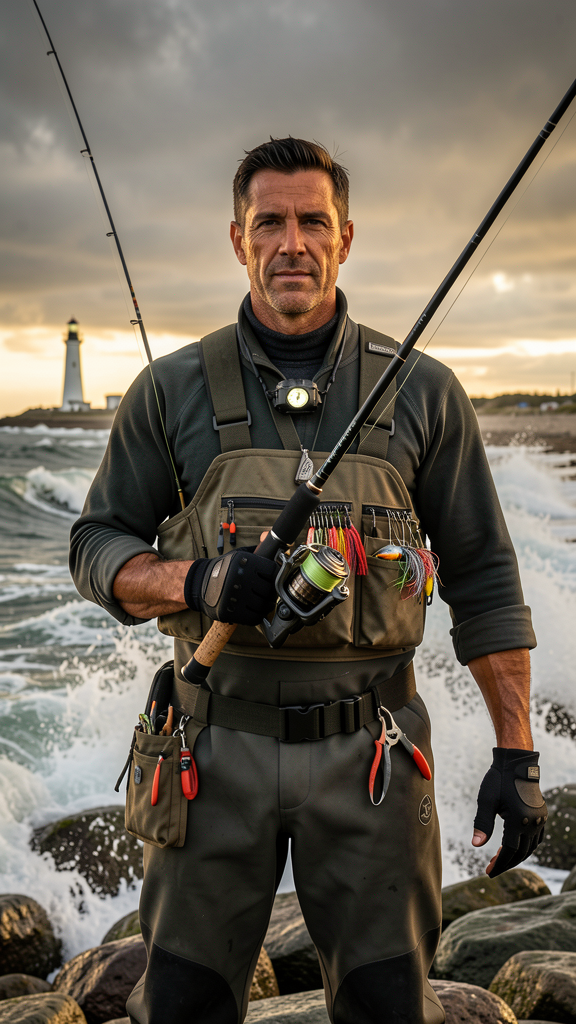
Last week's new moon brought spring tides that cranked the current through Plum Gut and The Race to 4+ knots — exactly what you want when the big migratory bass are moving through. Water temps climbed from 62 to 68 degrees across the eastern Sound, and that thermal shift triggered something special. The butterfish showed up early this year, thick in the rip eddies, and the bass followed them in. Wednesday's flood tide was pure violence — 37-inch fish crushing bucktails in 80 feet of water, then sliding back into the deep holes when the current slacked.
This week we're building toward a full moon Friday, which means the spring tides are backing off into neaps by the weekend. That's actually good news for the rip fishing — when the current drops from 4 knots to 2.5, the bass settle into the eddies instead of holding in the main flow. They feed more aggressively at slack water, and your presentations stay cleaner without that screaming drift. The thermal structure is holding steady in the mid-60s, perfect for keeping the bait concentrated and the bass feeding.
The Plum Gut drift has been the most consistent producer this week. I'm running a three-way rig with 8-ounce cannonballs and 80-pound leader to a bucktail — the heavy leader creates stiffness that stands the jig off the bottom in that rocky terrain. Start in 80 feet on the east side of the rip, follow the contour as it rises to 40 feet, then drops back down. The key is taking preemptive cranks as the depth changes to avoid dragging bottom. Drift speeds are running 2 to 3.5 mph, so each pass is quick — make your presentations count.
White and chartreuse bucktails are producing, but here's what's interesting: the 7-inch Tsunami swim shads are significantly outperforming standard bucktails on the bigger fish. I've been alternating between the two all week, and the swim shads are pulling overslot bass while the bucktails are mostly slots and shorts. The action is different in that current — the swim shad has more body movement that triggers the bigger fish.
The Race has been hit-or-miss depending on the tide stage. Early flood and late ebb are producing slot bass to 30 inches, but the middle of the tide gets sketchy with boat traffic and confused water. When the surface actis up — and it has been, especially around the tide changes — switch to topwater. Small pencil poppers are crushing bass that are feeding on butterfish in the upper column.
Here's the problem: bluefish have arrived in force, and they're absolute tackle destroyers. These aren't the typical 3-pound snappers — we're talking 8 to 12-pound gorillas that will cut through 50-pound fluorocarbon like it's 12-pound mono. If you're throwing expensive plugs or glide baits, use a wire leader or accept that you're going to lose gear. The blues are mixed in with the bass throughout the water column, so there's no avoiding them.
The butterfish concentration is the story right now. They're showing up earlier than usual and in better numbers, stacked in the eddies where the current breaks. That's pulling in not just bass but everything that feeds on them. I'm seeing scattered bunker schools, but the butterfish are the primary forage. When you find them on the fish finder — they show as dense clouds in 50 to 80 feet — that's where you want to fish.
Fluke action has been secondary to the bass bite, but there are some quality fish in the 4 to 6-pound range scattered along the deeper edges. Standard bucktail and Gulp combinations are working, but you need to get away from the main rip areas where the bass are concentrated.
Looking ahead, Friday's full moon means big water movement early in the week, then settling into more manageable neap tides by the weekend. The thermal structure should hold steady — no major weather systems in the forecast to disrupt it. If the butterfish stay concentrated through the weekend, this bite could extend into next week. The key will be adapting to the changing current speeds as we transition from spring to neap tides. When the current slows, the fish will spread out more, but they'll also be more willing to feed during the slack periods.
Best windows this week are the two hours before and after slack water, both flood and ebb. The Race fishes better on the flood, Plum Gut produces on both tides. Just remember — if you're not prepared for bluefish, you're going to have a frustrating day watching your tackle disappear.