Warm water eddy sets up on Spencer and Lindenkohl, tuna and wahoo answer the call
A post-full-moon push of blue water put fish on the troll all week — just not everywhere, and not for everybody.
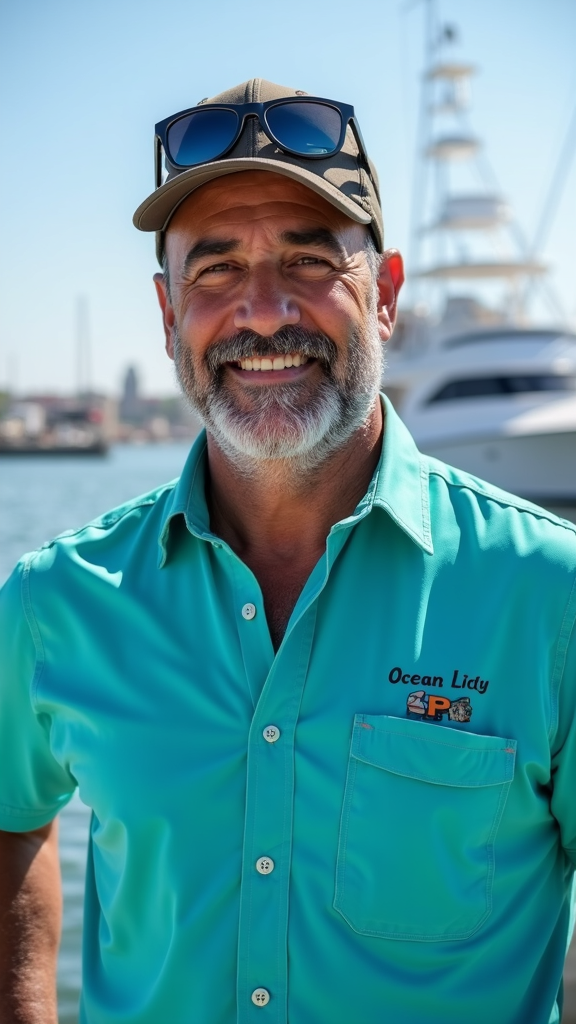
Last week's full moon on the 29th ran some big water through the canyons, and that's exactly what stirred things up out here. Spring tides push extra current across the canyon walls, and when that current meets a warm-water eddy pinching off the Gulf Stream — which is what we've had sitting on Spencer and bleeding into Lindenkohl — you get bait getting shoved up against the break and predators stacking on it. I ran offshore three times last week out of Cape May, and the pattern held: find where the color changes from that green-gray inshore water to true blue, and you're in business. That edge sat right around the 100-fathom curve on Spencer's east wall most of the week, drifting a few miles day to day with the current, which is normal for early July when the Stream is still working its way inshore.
This week the moon's waning toward last quarter around the 6th or 7th, which means the tides are easing off those big spring pushes. Less current stress on the canyon walls usually means the bite mellows out a touch in terms of raw current-driven feeding, but it also means calmer conditions for working the temp breaks slower and more precisely — which matters a lot when you're trying to thread a troll spread along a thin warm tongue instead of a wide, obvious edge. Water's been trending warm and stable, not spiking, which tells me the eddy is holding position rather than blowing through. If that holds into the weekend, I like our odds on Lindenkohl and the north end of Spencer. If it slides east like these things sometimes do this time of year, Poor Man's and Norfolk become the play, and that's where I'd shift effort.
Yellowfin have been the most reliable fish in the box. We've had solid troll bites on Spencer's eastern edge working ballyhoo pulled naked and rigged behind small Ilanders — green/yellow and pink/white both produced — set back in the third and fifth positions with a couple of cedar plugs up shotgun. Fish are running mostly in the 20-40 pound class, schoolie-to-mid-grade, but there's been a scattering of better fish mixed in wherever the bait's been thick. Best bite windows have been early, first hour of light through mid-morning, before the sun gets high and pushes things down. After that we've had to work harder — slowing the troll, working the edges of any temp break we could find rather than just running the middle of blue water.
Wahoo have been the bright spot at Poor Man's. Guys running high-speed gear — Braid Marauders and Ilander/ballyhoo combos pulled at 12-14 knots along the canyon's north wall — have picked off wahoo in that 30-50 pound range, with a couple pushing bigger. That's a fish that rewards covering ground fast rather than sitting on one temp break, so if wahoo's the target, I'm not slowing down to fish structure the way I would for tuna — I'm running the wall.
Mahi have been mixed, which is the honest word for it. We found a nice patch of scattered weed and debris drifting off Norfolk Canyon early in the week and picked at dolphin in the 5-12 pound range on bailed ballyhoo and small spreader bars, but that bite dried up fast once the weed line broke apart in the current. If you find floating structure — a pallet, a weed mat, anything holding bait — stop and work it before running past. That's still where the mahi are, just not in the numbers we saw in late June.
White marlin have been the toughest read. We've had shots — dink ballyhoo pulled on light drag around the Norfolk and Poor Man's edges raised a few fish — but conversion's been spotty, more raises than solid hookups. That's typical for early July before the fish really settle onto the grounds in numbers. I wouldn't build a whole trip around marlin yet, but if you're already trolling tuna spread and one comes up on a naked ballyhoo, don't be shy about dropping back on it.
Bigeye have shown at night on the drift, working butterfish chunks and whole squid off the deep water adjacent to Norfolk's canyon head, but that's a specialist play — you need to commit to the night bite and be ready to grind. A few boats have connected on fish in the 100-150 pound range doing exactly that, working the drift over the 600-800 foot contour where the bottom breaks steep.
Looking ahead, the easing tides this week should make it a little more comfortable to work these temp breaks with precision rather than fighting current all day, and if that eddy holds its ground on Spencer and Lindenkohl through the weekend, I'd put my money on the yellowfin troll early and a wahoo run at Poor Man's if the numbers don't show. Plan B if the water slides east — swing south to Norfolk and work the mahi debris lines while you've got light, then set up for a bigeye drift after dark. Either way, this is the kind of July stretch where the fish are out there, but you've got to run the right piece of water to find them, not just the nearest canyon.