New moon springs load up the PM flood — Charles Island stripers, rockpile porgies holding steady
Tautog season reopened the breakwalls just as building spring tides set up the best sunset striper window since June's full moon.
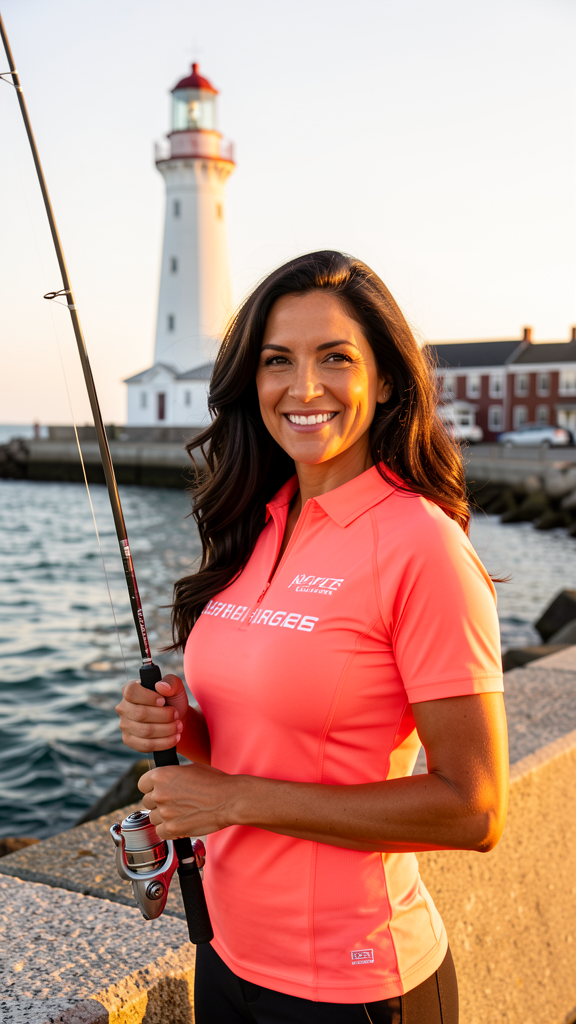
Last week the Sound did what it does in early July — went glassy and warm on us. Light southwest air most afternoons, dead calm mornings, and surface temps in the harbor and up in the coves climbing into the upper 70s. That kind of warmth pushes porgies and sea bass off the shallow humps and tight against the deeper cooler rock — I was marking bait stacked on the meter over 30 to 35 feet off Falkner Island by midweek where two weeks ago they were happy in 18. Tautog season flipped back open July 1st, which was good timing, because the blackfish had already slid off the shallow rubble and onto the deeper piles where the water holds a few degrees cooler.
This week the story is the moon. We're building toward new moon — the springs are stacking up now and peak alignment lands Friday through Monday, the 11th through the 13th. That's the first real PM flood-into-sunset window we've had since the June full moon, and it matters because bigger tidal range means more water moving through the gut at Charles Island and across Stratford Shoal right as the light goes low. Stripers that have been scattered and lockjawed on the slower neap tides get a reason to commit again when that current starts ripping through the last two hours of daylight. If you've only got one evening this week, I'd burn it Saturday or Sunday on that stage of tide — high water timing at Kings Point converging almost exactly with sunset is not something you get handed very often out here.
Porgies have been the most dependable thing on my boat the last two weeks, and I don't say that lightly because scup fishing can go quiet fast once the water really warms. Falkner Island's north and east sides, 20 to 28 feet, high-low rigs with size 6 or 8 hooks tipped with clam or a strip of squid, small pieces — porgies mouth a big bait and never touch the hook. Chum bag over the side helps a ton right now; they're schooled tight on the rock but you have to bring them up off bottom to get consistent doubles. Same story on Stratford Shoal's shallower flanks, though that spot's been a little more hit-or-miss — one trip we boated fifty keeper-class porgies in two hours on the last of the incoming, the next day with almost identical conditions we had to work for half that. Structure fishing on the Sound in July is like that — the fish are there, but you're fishing a window, not an all-day buffet.
Sea bass have been mixed. The keepers are running 15 to 17 inches mostly, with the occasional 20-incher mixed in off the deeper rock south of Charles Island in 35 to 40 feet. Squid strips or a piece of clam on a bucktail-and-bait combo, dropped straight down on the drift, working the tide change slack when the boat sits still over the pile instead of dragging off it. Don't waste time on the shallow reef tops this time of year — that bite dried up when the water crossed 74 degrees inshore. Go deeper, fish slower, and be patient between bites because the schools are patchy, not blanketed.
Tautog reopening was welcome news on the New Haven breakwalls and out at Milford Gulf. Green crab and Asian shore crab both producing, fished on a jig-head or a simple knocker rig tight to the rock face, right at the base where the current seam sets up on the last hour of the outgoing. Fish are running average size so far — 16 to 18 inches, a few pushing 20 — but nothing has been a slam-dunk bite. You need to be precise with your drop, right in the pocket, and expect to lose gear to the structure. That's tautog fishing on this coast; if you're not getting bit off occasionally you're probably not close enough to the rock to catch fish either.
Stripers are the real story to watch this week, though I want to be straight about where things stand right now — the bite off Charles Island's sandbar has been spotty on the neap tides we just came off, a few fish caught working bunker schools at first light with topwater plugs and soft-plastic swimbaits, but nothing sustained. That should change as the spring tide builds. Live bunker on a fish-finder rig, or snag-and-drop off the schools you see working the surface, fished right on the edge of the sandbar drop where it falls into 15 to 20 feet — that's been the producing depth when fish have shown. Stratford Shoal is worth a look too on the same tide stage, particularly working the west side where the current wraps around the rock structure hard on a big flood.
Bluefish have been mixed in with the bunker pods off Hammonasset, choppers in the 3 to 5 pound range crashing bait on the surface in the early morning — heavier wire leader and a simple Hopkins or a topwater popper will get you tangled up with them quick if you find the right slick.
If I had one evening to fish this week, I'd take Saturday's sunset flood at Charles Island and gamble on the spring tide doing what it's supposed to do. Backup plan is the Falkner Island rockpiles for porgies — that bite has been steady enough to trust even if the stripers don't show.