Widest thermal edge of the season lights up the Hudson's east wall for yellowfin
A post-blow warm seam on the 100-fathom line, a Coimbra bluefin push at 20 fathoms, and the first real white marlin signals of the summer.
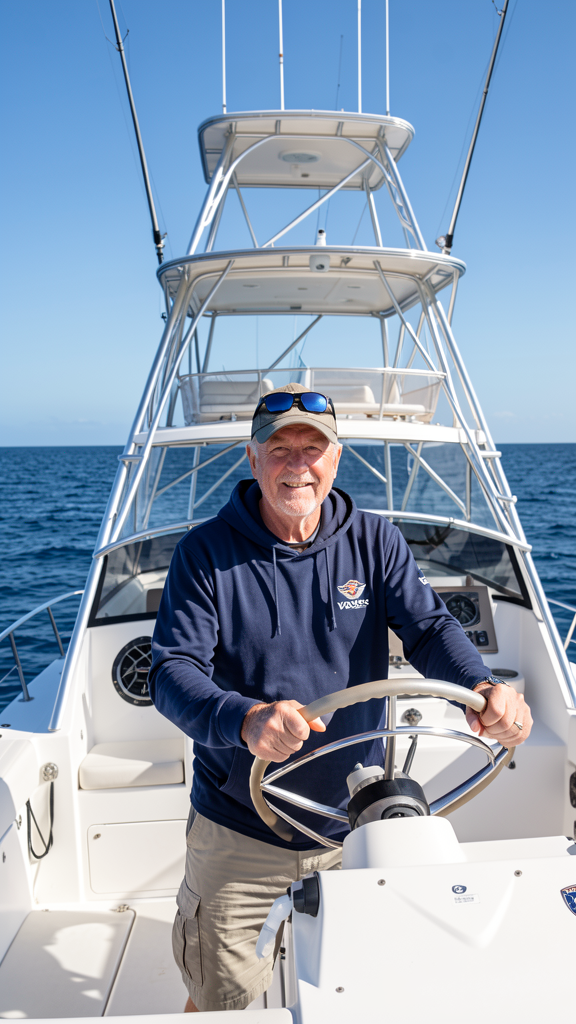
Last week was a blow week, plain and simple — a stretch of southwest wind that rolled the surface and kept a lot of boats tied to the dock through the weekend. But blows like that do something useful out here: they push warm water up against the shelf and sharpen the edge instead of smearing it. By Tuesday the SST charts showed exactly that — a 10.3°F differential between the shelf water and the slope water at the Hudson break, which is the widest gradient we've seen all season. That's not a subtle line on the chart. That's a wall you can practically see on the surface, and yellowfin have piled onto it along the 100-fathom curve, working the seam that runs from the Wilmington-Poor Man's corridor up into our east wall.
Moon's waning toward new — we'll hit it around the 13th or 14th — which means less glow on the water at night and a better window for lit-up squid jigging on the midshore grounds. It also means the tide-driven current at the canyon edges is building toward the spring push this weekend, which historically stacks bait tighter against structure like the Dip and the Claw instead of letting it spread out over open water. Combine that with a Northeast upwelling event that's sharpened the 20 to 30 fathom breaks inshore of the canyon proper, and you've got two distinct bite zones working at once — the deep-water yellowfin push on the wall, and a bluefin concentration setting up shallower along what guys are calling the Coimbra corridor, 20 fathoms, well inside the canyon mouth.
Wednesday and Thursday this week are the days to be out there if you can make the run. This is the best structural setup of the year on this piece of water — I don't say that lightly. The warm seam is sitting right where it should, pushing bait against the east wall and letting the canyon do what it does best: funnel everything up into the trolling zone where the bottom drops from 600 to 1,500 fathoms in under a mile. I ran spreader bars and a naked ballyhoo pattern along that wall Tuesday afternoon in about 900 fathoms of water, right on the color change from green to that deep cobalt blue, and we had a stretch of forty minutes where we couldn't keep the long rigger out of the water. Yellowfin in the 30 to 55 pound class, mostly on green machines and small Islander-style lures pulled tight to the temp break, with the ballyhoo bars picking up the bigger fish a little farther back in the spread.
Bluefin are the other story right now, and they're playing a different game entirely. That Coimbra corridor bite at 20 fathoms is a nighttime program — squid boats anchoring or slow-drifting with underwater lights, dropping green machine glow jigs and butterfly jigs once the squid show up under the lights, usually an hour or two after dark once the moon's light drops off. We're seeing schoolies mixed with some genuine 100-plus fish in that stretch, and the squid this year have been thick enough to hold them there for multiple nights running instead of the usual one-night stand. If you're rigging for it, keep your leaders long — 15 to 20 feet of 60 to 80 pound fluoro — because these fish have seen enough lights by now to get particular.
Mahi are scattered along the same warm seam as the yellowfin, mostly small ones in the 5 to 12 pound range holding on any floating junk or weed line you can find drifting off the east wall — worth a few casts with a bucktail or a small spreader while you're running the troll pattern, but nothing to build a whole trip around yet. Wahoo have been quieter than I'd like given the water temp, though a couple of boats picked off fish trolling high-speed at the Texas Tower on planers and Ilanders in the 800-fathom range — that bite tends to be a needle-in-haystack proposition until the water firms up a little more.
White marlin are the one I'm watching hardest right now. We haven't had a confirmed flag yet, but the warm plume that's been building toward the bank is exactly the trigger pattern I've seen the last few seasons before the first fish show. I'd put the window at 7 to 10 days out — call it the back half of next week into the following weekend — and I'd be running dredge teasers with a naked ballyhoo pattern any time you're transiting the shallower canyon edges, 20 to 40 fathoms, on the way out to the deep stuff. No sense leaving that rod dark.
Swordfish guys — the daytime deep-drop bite on the bottom hasn't been the headline this week, everyone's chasing the yellowfin push, but the same thermal structure that's stacking tuna on the wall usually means good stratification below too. I'd expect that program to strengthen once boats start putting time on it again with squid strips and glow sticks down around 1,600 to 1,800 feet on the drift.
Bottom line for the week: if the wind stays manageable Wednesday into Thursday, this is the best shot at yellowfin we've had all summer, and it's worth the run. If it doesn't cooperate, the Coimbra corridor bluefin bite is the fallback — closer, calmer, and it's been consistent for going on a week now. Either way, keep an eye on that warm seam. Edges like this don't sit still for long.