New moon springs load up the river mouth rip as school bass and blues show off Great Island
Fast water at Saybrook Point is turning on stripers and bluefish, but you've got to fish the tide stage right or you're just chumming for nothing.
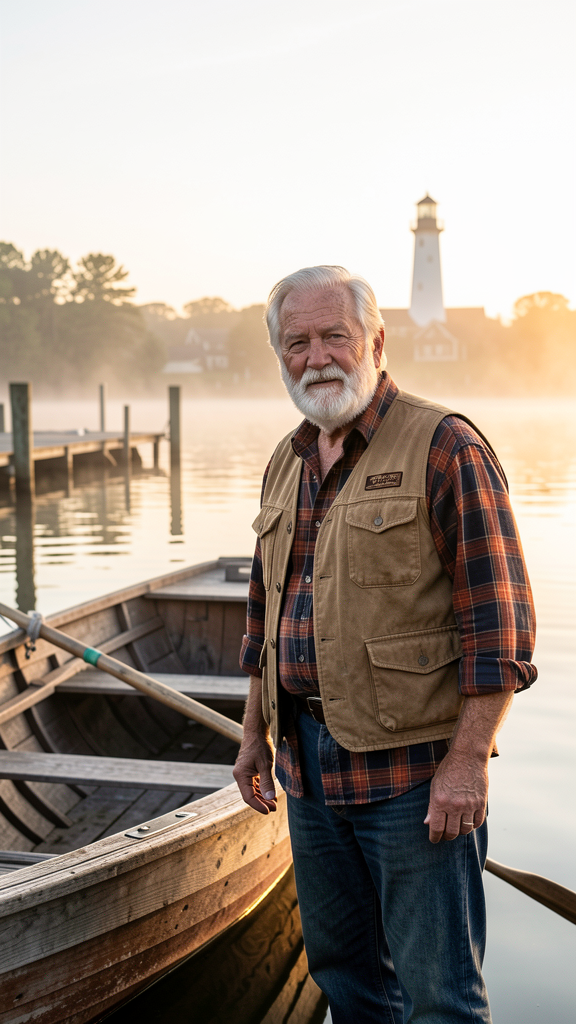
We're coming off a new moon, and that means one thing on this river: the tide's got teeth again. Last week the current at the mouth was running noticeably harder than it had been through the quarter-moon lull, and that extra push is exactly what stacks bait against the rocks at Saybrook Point and along the edge of the Baldwin Bridge pilings. Wind's been mostly out of the southwest, nothing that's roiled the water, and the river itself has settled into that warm, slightly tannic summer color — not gin clear, not muddy, just typical July river water with decent visibility once you get past the outflow plume off the breakwater. Water temps in the main stem are sitting where you'd expect for early July, warm enough that the shad are long gone and the river has fully flipped over into its summer striper-and-perch pattern.
This week the moon keeps building toward those new-moon spring tides — bigger swings, faster water, and the timing lines up nice: high stand at the mouth is sliding toward the evening hours through the tenth into the thirteenth, which means the last two hours of the flood are converging right around sunset. That's the window I'm circling. Spring tides push more water through the gut at Saybrook Point and around the tip of Great Island faster than the fish always want to fight, so the trick this week isn't just showing up — it's showing up on the last hour of the flood and the first hour of the ebb, when the current is still moving bait but hasn't gone into full firehose mode. Fish these rips at max spring current mid-tide and you'll mostly be dragging a bucktail through empty water. Fish the transition and you'll find bass sitting in the eddies waiting on it.
Striper action right now is real but it's not a gimme — I'd call it a mixed bite that rewards the guys who move. The flats off Great Island are holding schoolies in the 16 to 22 inch range, with the occasional slot fish mixed in, and they're eating peanut bunker fished on a light fishfinder rig, or a soft plastic like a white or bone Slug-Go worked slow just off the grass edges on the last of the incoming. Early morning and last light are still your best windows before the sun gets high and pushes the fish deeper into the channel. Down at the river mouth itself, the rip that forms off the end of the Saybrook breakwater on the outgoing has been giving up better fish — I had reports of stripers to 28 inches taken there on bucktails tipped with a curly-tail trailer, worked with a slow lift-and-drop through the deeper part of the rip, maybe 8 to 12 feet. That's classic river-mouth structure fishing: the current rips over the shoal, bass sit behind the break in the slack pocket, and you've got to put the bait right on the seam.
Bluefish have started showing at the mouth too, chasing silversides and small bunker on the last two hours of the incoming — nothing huge, mostly 2 to 4 pounds, but they'll hit hard on a diamond jig or a Kastmaster worked fast through the surface disturbance. If you see the birds working off Great Island or around the DEP Marina channel in the evening, that's usually blues cutting up bait, and it's worth a few casts even if you came out for bass. Just watch your leader — they'll cut straight through light mono without a bite tippet.
White perch fishing has been quieter than I'd like this time of year, but it's there if you go looking. The deeper holes up around Essex and the bends above Old Lyme are still holding decent numbers, and small grass shrimp or a sliver of bloodworm on a light spinning rod, fished right on bottom in 15 to 20 feet, will still take perch in the 9 to 11 inch range. It's slow, patient fishing, not the kind of thing that fills a cooler fast, but if you want a mess of perch for the pan, that's still the play — just don't expect the numbers you'd see in May before the water warmed up and pushed them deep.
I've fished this river long enough to know what a new-moon spring tide does to the mouth — I've seen this pattern plenty of times, going back decades. The current gets aggressive, the smaller fish scatter out of the main flow, and the bigger stripers set up in very specific spots: the lee side of the breakwater rocks, the eddy behind the shoal off Calves Island, the slack pocket where the river channel bends past Nott Island. That's where I'd put my time this week, timed to that evening high stand sliding in around Jul 11-13. If the wind stays out of the southwest and doesn't kick up a chop across the flats, I'd fish the last hour of daylight at the mouth with bucktails and swimming plugs, and keep bunker chunks rigged as a backup for anything bigger that's shadowing the bait. If the bass don't show at the rip, Great Island's grass edges on the early incoming are the fallback — there's always something willing to eat peanut bunker back in there this time of year, even on a tough week.