Fifty-Pound Bass Still Prowling the Boulders as New Moon Tides Build
The Point keeps giving up big fish on bucktails and eels while the fleet watches for the first bonito push and a bluefin run that's suddenly close enough to matter.
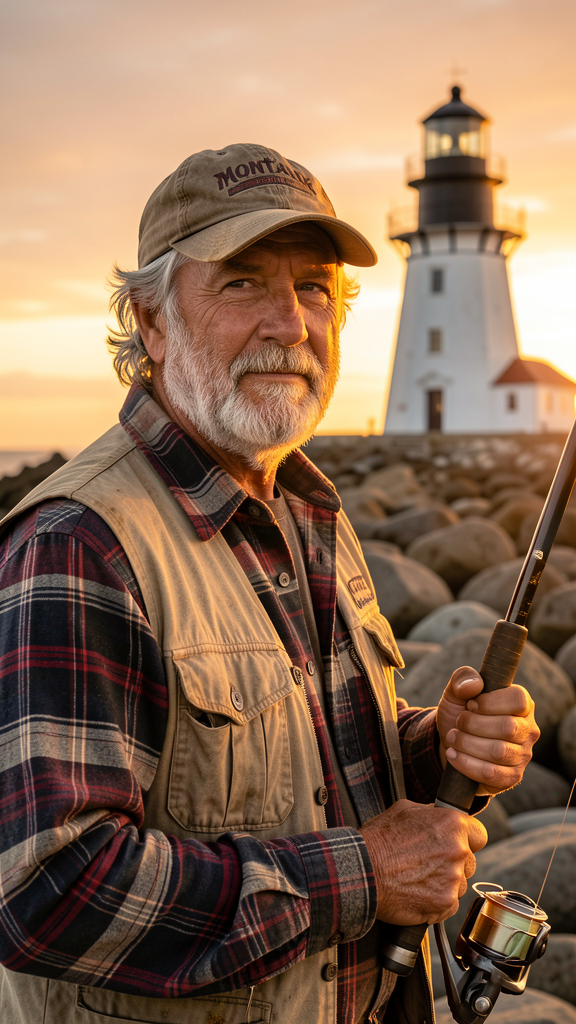
Last week the Point ran on that classic July rhythm — clean water, steady southwest air in the afternoons, and a tide that built through the week as we worked toward this new moon. The rips off the Lighthouse were setting up hard on both the ebb and the flood, and that current is exactly what turns boulder fields into feeding stations. Water out there has been holding in that comfortable low-to-mid 60s range at the surface, with a noticeable temperature break where the reef structure meets deeper water off North Bar — that's the kind of edge that stacks sand eels and silversides against rock, and where sand eels stack, bass follow.
This week the moon goes new on the 10th, and that means building spring tides right through the weekend — bigger swings, stronger current in the rips, and more water moving through Turtle Cove and around the Elbow than we've seen in a couple weeks. Peak tidal push lines up Friday through Monday. For us that's not just a number on a tide chart — a bigger spring tide at the Point means the current lane through the boulder field runs faster and longer, which pins bait against structure instead of letting it drift free. That's when you want to be positioned in the eddies behind the big rocks, not out in the main current, because the bass sit in the slack pockets and let the tide bring dinner to them. I'd rather fish the first two hours of a building tide right now than fight slack water with nothing moving.
The bass fishing itself has been the real story. We've had fish up to 50 pounds coming off the Point on bucktails, topwater, and fly gear — those numbers aren't hype, that's what's actually been landed working the boulder field on the outgoing tide, first and last light. White or bone-colored 2-ounce bucktails bounced slow along bottom in 15 to 25 feet off the Lighthouse rocks have been the most consistent producer, but the topwater bite at dawn — big pencil poppers and Danny-style swimmers worked over the white water — has been giving up some of the better fish, the ones that push 40 and up. If you're throwing fly, sinking lines and big Deceivers or Hollow flies in the 6- to 8-inch range, worked through the wash where the boulders break the surface, will get you tight to fish that other guys are walking past. Night tide has still been an eel game — live eels drifted through the rip off North Bar on the last two hours of the incoming have put quality fish in the boat, nothing huge but steady 20s to low 30s.
Bluefish have been mixed in with the bass, mostly in the 4- to 8-pound range, chopping bait on the surface off Shagwong Reef and out toward the Elbow in the mornings. If you want blues specifically, small metal — half-ounce to ounce Deadly Dicks or Kastmasters — worked fast through visible surface activity will connect quick, but don't expect a sustained blitz like September. This is scattered, opportunistic stuff right now, not the fall gorge.
Fluke have been shifting the way they always do this time of year — out of the warmer bay water and into the harbor mouth and the ocean side drifts. Fort Pond Bay has gotten too warm and stale to hold quality fish consistently, so the better fluke action has moved to the deeper water off the harbor entrance and out toward the rips, working the outgoing tide when clean ocean water is pushing through. Four- and 5-inch white Gulp Swimming Mullets on 3/4-ounce bucktails, drifted slow in 25 to 40 feet, have taken fish to 6 pounds, with the occasional better fish mixed in. If the bay bite's been dead for you, stop fighting it — the fish already left, and the inlet and ocean-side drifts are where they went.
Porgies and blackfish have both been steady bottom producers if you need to fill a cooler — porgies on clam and squid strips over the reef structure around Shagwong and off the south side rocks, blackfish still legal-adjacent and biting green crab in the deeper boulder pockets, though that fishery really turns on later in the fall. Right now it's a bycatch fishery more than a target trip, but worth knowing if the bass go quiet on a tide change.
The thing everybody's talking about at the dock is what's happening just south of us. Small boats have been running out and connecting with schoolie bluefin — not a fishery you plan a trip around yet, but it tells you something about what's pushing up the edge of the shelf and how warm that offshore water has gotten. I wouldn't chase it in anything without range and a weather eye, but it's a sign the season's building toward something bigger out there. Closer to home, keep half an eye out for the first bonito showing at the Point. The cold wall that's normally been penning bonito up around Block Island collapsed hard this week, and that corridor's opening wide — Newport to Point Judith, and Montauk sits right on the doorstep of that push. If clean water and bait line up right on an incoming tide off the Lighthouse or North Bar, don't be shocked if the first small albies or bonito of the season show up chasing sand eels through the white water. I wouldn't build a whole trip around it yet, but I'd have a bag of epoxy jigs and small metal in the truck just in case.
For the weekend, with the new moon building those bigger tides, I'd fish the boulder field on the last two hours of the outgoing Saturday morning, then switch to the fluke drift off the harbor mouth once the sun gets high and the bass bite goes quiet. If the wind stays out of the southwest and light, that's a good combination — moving water for the bass, clean push for the fluke. If it kicks up hard from the south, I'd rather work the more protected water around Turtle Cove and take what the bluefish give me instead of grinding it out in a chop.