Wide-open shelf edge puts yellowfin in range as bluefin stack the 20-fathom breaks
The post-blow thermal seam is the widest we've seen all year — and it's lining up with a squid-heavy dark moon for one of the better midrange windows of the summer.
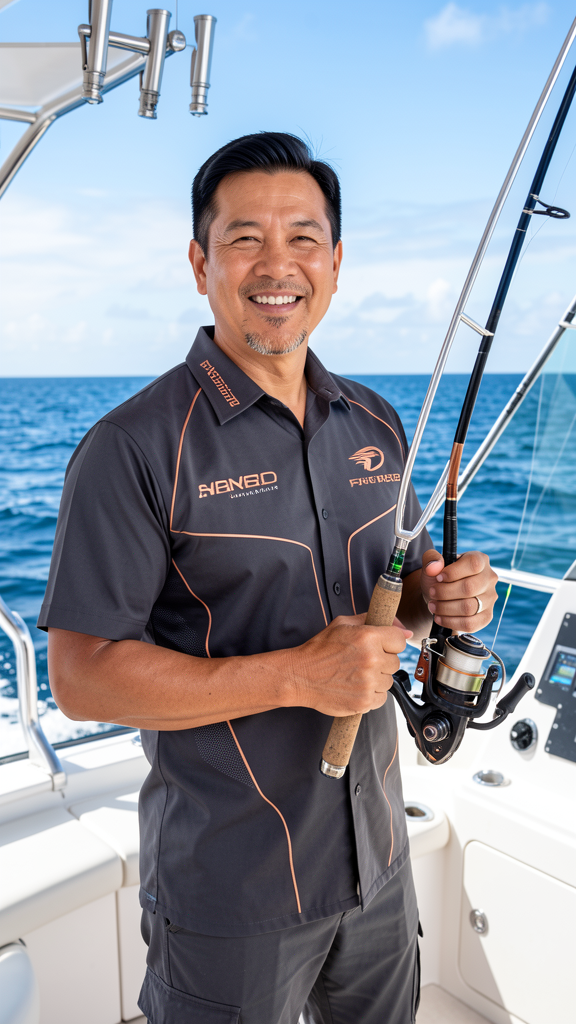
Last week's blow did what blows do — churned the inshore water and pushed us off the docks for two straight days — but it left something behind worth talking about. The shelf-slope edge out past the Hudson and down through Wilmington and Poor Man's Canyon opened up to a 10.3-degree differential, the widest seam I've measured yet this season. That's not a subtle break. That's a wall of warm water shoving up against the cold shelf, and yellowfin don't ignore walls like that — they stack right on the edge of it, feeding the current line where the bait gets disoriented. Wednesday and Thursday this week are shaping up as the first real post-blow canyon window of the summer, and I don't say that lightly twenty years into this.
The moon's darkening toward new, which matters more than people give it credit for. A black night with a strong tide is squid weather, and squid weather on the 20 to 30-fathom breaks is bluefin weather. We've got a northeast upwelling sharpening those breaks right now, and I'm seeing the same signature that's been showing up in the Coimbra corridor up north play out on our own structure — the lip where the Mud Hole falls from 20 into 30 fathom, and the eastern edge of the Klondike where the bottom breaks hard. If you've got a squid light and the patience to sit on the drift after midnight, that's where I'd be parked this week, not running to the beach at first light. Tides are building toward new-moon springs by the weekend, so expect more push on the drift than you've had the last ten days — adjust your leader length and jig weight accordingly, because a slow drift lets a bluefin inspect the bait too long, and a fast one blows your presentation past the strike zone.
On the bottom, the sea bass have been the one truly dependable thing all week, and I want to be straight about that because everything else out there right now is a little bit of a gamble. Sea Girt Reef in 60 to 70 feet has been giving up jumbo bass — fish in the 3 to 5-pound class — on Gulp Grubs in white and chartreuse, tipped with squid strips, dropped on a high-low rig with 4 to 6 ounces depending on the drift. Axel Carlson Reef is running similar numbers in a little shallower water, 55 to 65 feet, and the Triple Wrecks out past that have been holding the bigger fish deeper on the structure itself — anchor up tight, not drift, if you want a shot at the 6-pound class hiding in the wreckage. Shrewsbury Rocks has been more mixed, some short fish mixed with keepers, which tells me the bait hasn't fully settled there yet. If I had to rank the reef bite this week, Sea Girt first, Triple Wrecks second for size, Axel Carlson third for numbers.
Mahi are the disappointment so far, and I'll say it plain — we're not stacked yet. A few stragglers have come off lobster pot buoys and current lines out past the Klondike, schoolie-sized fish in the 2 to 4-pound range on small chartreuse feathers and cut squid drifted behind the boat, but this isn't the August pattern yet where you can run pot to pot and load the box. That stack usually needs another three to four weeks of warm water pushing weed lines and debris fields together, and with the canyon edge only just now opening up wide, I think we're still a little early. Worth a look if you're already running out that way for tuna, not worth a dedicated trip on its own yet.
Bonito are the wildcard I'm watching closest. The pelagic window that opened around the Fourth is closing out over the next few days, and the early reports up north — Moriches and Shinnecock ocean side on clean incoming tide — tell me the corridor's widening south. Shrewsbury Rocks and the water off Sea Girt have the kind of bait balls that draw bonito once the water's right, so I'd have a rod rigged with a small epoxy jig or a Deadly Dick ready on the troll or cast into any bird activity you see working bait on the surface this week. No confirmed fish in our zone yet as of this writing, but the pattern says it's close.
Blackfish are still closed here through the end of the month under the summer closure, so leave the crab pots at home for now — the structure's holding fish, they're just off limits, and that's fine, because it gives them a few more weeks to fatten up on the reef before the fall opener. Cod are a non-story in July water temps like these; that's a late-fall and winter conversation.
Looking ahead, the white marlin watch is the one I'd circle on the calendar for late next week — the warm plume that's been building toward the bank is the trigger, and if it keeps pushing the way it has, the first flags at the mid-Atlantic canyons could show inside 7 to 10 days. For this week specifically, my time's going into the Wednesday-Thursday canyon window while that shelf edge is this wide, with a secondary plan to work the Mud Hole and Klondike breaks after dark on squid for bluefin if the canyon run doesn't pan out. Both plans need the wind to stay cooperative — if it kicks back up out of the northeast hard, I'm sliding inshore to the reef structure and letting the sea bass carry the trip, because that bite's been the one sure thing all week.