New moon springs open a sunset window for bass at the Sea Bright rocks
Fluke have abandoned the bathtub-warm bay for the inlets, and the incoming new moon tide sets up the first real PM striper bite since June's full moon.
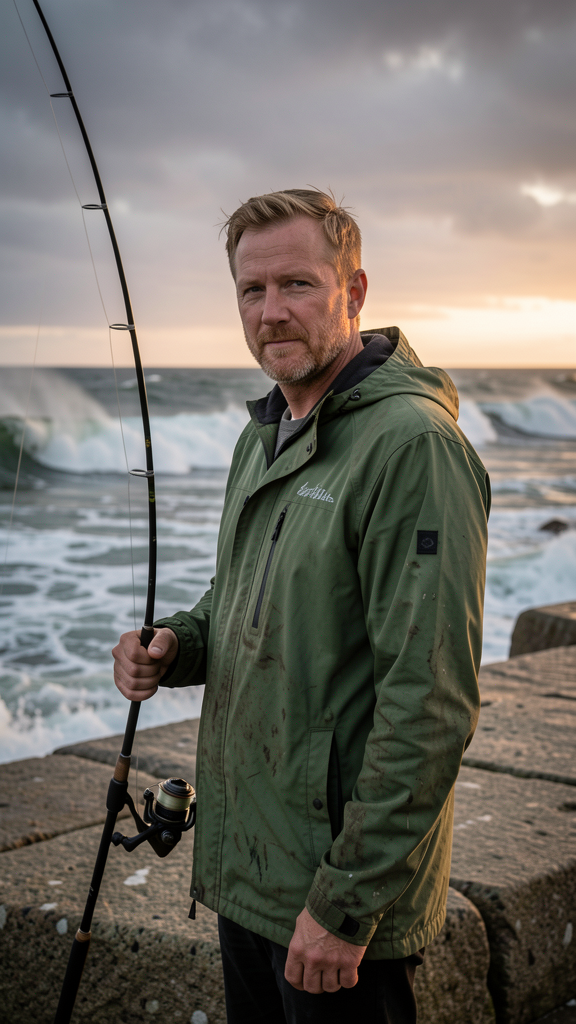
Last week the wind sat out of the northeast more than it didn't, and that's not nothing this time of year. It kept the surf a little sloppy but it also kept upwelling cold water against the beach — the kind of thing that saves your summer when the bay's turned into soup. Raritan and Sandy Hook Bay have been pushing into the high 70s, and I heard 78.8 thrown around for parts of Great South Bay, which tells you the same story is playing out up and down the coast. Warm, slack, low-oxygen water in the back — fish don't want it. What they want is what's stacked against our beach right now: upwelled water running around 71 degrees, cooler and cleaner than the bay soup, sitting right off the inlets where the current keeps it turning over.
This week the moon's sliding toward new, which means building spring tides through the weekend, and that matters more than people give it credit for. Bigger tidal swing means more water moving through Shark River and Manasquan inlets on the changes, which pulls more bait, which pulls more fish onto the structure at a predictable time instead of trickling through all day. The number I'm circling is Friday through Monday, July 10-13 — that's when the PM flood is lining up close to sunset again, first time since the full moon in June gave us that window. High water meeting last light at the Sea Bright rocks and the Manasquan jetty is when this fishery wakes up in July. Doesn't mean stripers all day. Means one legitimate window, morning and evening, and you'd better be standing in the right spot when it opens.
Fluke are the honest fish of the week, and they're behaving exactly like you'd expect with the bay running hot. They've evacuated the flats and stacked up in the inlets and the deeper channel edges where that cooler water is holding. Manasquan Inlet has been the more consistent of the two — working the outgoing tide from the Route 35 bridge down through the pilings, 15 to 22 feet, dragging 3/4-ounce white bucktails tipped with a strip of squid or a 4-inch white Gulp Swimming Mullet. Slow drag, short hops, let it sit dead on the bottom for a beat before you lift it — that's when they've been eating. Shark River Inlet's been a little more stop-and-go, but the last two hours of the outgoing near the Route 71 bridge and down toward Belmar Marina has produced keepers in the 19 to 22-inch range mixed with a lot of shorts you'll be flipping back. Nothing to write home about size-wise, but steady enough that a morning trip is worth the gas.
Stripers are the tougher conversation, because July surf bass in this zone is never a gimme, and I'm not going to stand here and tell you it's easy. The daytime bite is basically dead — water's too warm, sun's too high, the fish that are around are holding deep and sulking. But the dawn patrol and that new PM window I mentioned are producing. I've had better luck the last week working the north side of the Sea Bright rocks right at first light, walking out with a black/silver Gibbs pencil popper and working it along the edge where the jetty rocks drop into 8 to 10 feet. Same story at the Spring Lake jetties — small fish mostly, 22 to 28 inches, but a few better ones mixed in that tells you there's still a resident population working the structure at night and first light. If you're throwing plugs, go dark colors before the sun's up, switch to something with flash once there's light on the water. Bunker schools have been thin close to the beach this week compared to earlier in the season, which is part of why the bite's been more about presentation than about just finding bait and throwing something shiny at it.
Bluefish have filled in some of the gap, and honestly they've been the more reliable fun on the rocks. Cocktail blues, mostly 2 to 4 pounds, chopping bait on the outgoing at the Manasquan jetty and along the Belmar side of Shark River Inlet. Metal — a 1-ounce Kastmaster or a Hopkins — thrown into the moving current and retrieved fast has been drawing strikes consistently in the last two hours of daylight. If you want a bent rod without needing to hit a tide window down to the minute, this is your fish this week.
Porgies are around Shark River Inlet on the bottom, bloodworms or clam on a high-low rig fished tight to the rocks, decent action if you're patient and don't mind small fish mixed in with the occasional pound-and-a-half slob. Blackfish season's closed through the summer so leave the rocks alone on that front until fall. False albacore — too early, don't waste your time yet, that show doesn't usually open here until the water starts cooling in September, though the pelagic activity building further east this week is worth watching as an early tell for how the fall run shapes up.
If I had one morning and one evening this week, I'd spend the morning dragging bucktails through the Manasquan Inlet outgoing and I'd spend the evening standing on the Sea Bright rocks watching that new-moon high water meet the sunset Friday through Monday. That's the best-supported window on the calendar right now. Plan B if the bass don't show at dusk — walk down and throw metal into the blues, because those have been the one bite you can set your watch to.