New moon springs load the Rips while Delaware Bay simmers and weakfish stay ghosts
Fluke are sliding out of a warm bay into the inlets right on schedule — the drum run's long gone, and the weakfish still won't show.
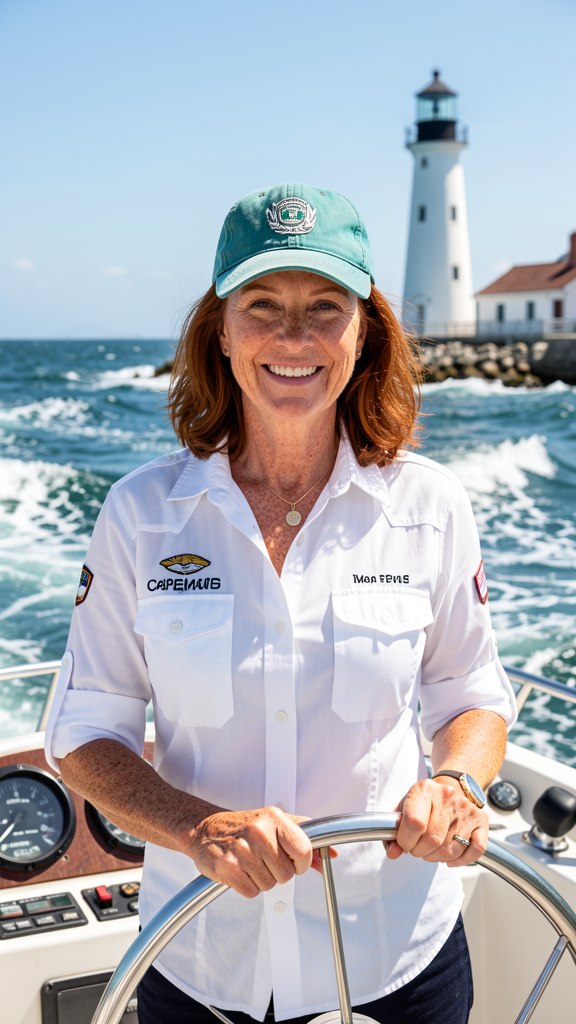
Last week the wind sat mostly out of the southeast, which is never my favorite setup at the Rips — it stacks a little chop against the ebb and makes the boat ride like a shopping cart with a bad wheel — but it didn't kill the fishing, it just made you pick your tide window carefully. Delaware Bay did what it does every July: the flats up toward Fortescue and the mouth of the Maurice River went thick and warm, the kind of water that pushes bait and bottom-huggers out of the shallows looking for something with current and oxygen in it. That's exactly why the fluke bite has been building at Hereford Inlet and along the edges of Brandywine Shoal instead of back in the bay proper. Water doesn't lie — when the flats get soupy, the fish vote with their fins.
This week the moon's sliding toward new, with the spring tide building through the weekend and peak swing landing right around the 13th. That means bigger water moving faster through the Cape May Rips and harder through Hereford Inlet — more current volume, shorter slack, and a tighter window to work if you're anchoring up on structure. My father used to say the Rips don't care what you want to do, they only care what the tide's doing, and a new moon spring is when that rule gets enforced hardest. For bass and blues that congregate on the rip lines waiting for bait to get squeezed through the funnel, this is good news — more current means more disoriented bait, means more feeding activity concentrated into a shorter, more violent window. For anyone trying to soak bait on the bottom hoping for a lazy weakfish pickup, it means the exact opposite — the water's moving too hard, too fast, for too much of the tide cycle to let anything sit and feed comfortably.
Speaking of weakfish — I'll be straight with you, because that's the only way I know how to write this column. Delaware Bay's held water in the low-to-mid 70s for over two weeks now, which on paper is squarely in the range where weakfish should be showing up in the deeper holes off Fortescue and around the mouth of the bay. They haven't. Not a single solid report has crossed my dock in that stretch. Warm water is necessary but it isn't the whole recipe — we need the right bait density and the right structure to hold them, and right now neither one's lined up. If you're planning a weakfish trip based on temperature alone, I'd hold off. That fishery's been quiet for a couple seasons running and this year isn't breaking the pattern yet.
The better news is the fluke. Hereford Inlet's channel edges, particularly the drop from eight feet down to eighteen on the outgoing, have been giving up keeper fluke to four and five pounds on 3/4-ounce chartreuse bucktails tipped with white Gulp Swimming Mullets, dragged slow along bottom right as the tide starts to really move. Brandywine Shoal's the same story on a bigger scale — anchoring up on the up-current side and drifting bucktail-and-Gulp combinations across the sandy troughs between the shoal humps has produced some quality fish, though you have to cover water. It's not a wall-to-wall bite, it's a hunt-and-peck one — I've had drifts where we went forty-five minutes without a bump and then stacked three keepers in fifteen minutes once we found the seam where the current was pushing bait against the drop.
Striped bass right now are mostly resident summer fish — schoolies to maybe 26 inches — holding tight to structure at Cape May Point and around the inlet jetties, feeding hardest in that hour before and after sunset when the water cools a touch and the current's still got some push left in it from the incoming. Bucktails and paddletails in white or bunker patterns worked slow along the rocks have been the play. Nothing to write home about size-wise, but a fun evening bite if you're willing to fish it in the dark with a headlamp and patience.
Bluefish have been the more reliable punch at the Rips proper — with the new moon current building, the blues have been stacking on the bait getting funneled through, and chunked bunker fished on a fish-finder rig in the heart of the rip, right where the sandbar drops into deeper water, has produced fish in the three-to-six-pound range pretty consistently on the last two hours of the outgoing. If you're a jig guy, diamond jigs in silver or chartreuse worked with a fast retrieve through the same water will draw strikes, especially right at first light before the boat traffic picks up.
Triggerfish are starting to show on the same structure where the sea bass guys have been picking — the reef sites and closer wrecks off Cape May are holding a mix now, and clam on a simple bottom rig fished tight to structure has been drawing them in along with the black sea bass. It's early in that pattern and it's a bonus fish more than a target right now, but it'll build through the rest of July as the water keeps warming.
Looking ahead: with the spring tide building toward the new moon, I'd fish the Rips hard on the last two hours of the outgoing this week — that's where the current concentration is going to be sharpest and the bass and blues most predictable. For fluke, I'd stick with the inlet and Brandywine pattern until the bay flats cool off, which at this point in July isn't happening anytime soon. And if someone tells you the weakfish are finally in, I'd want to see the fish in the cooler before I believed it.