New moon springs push LBI fluke into the inlets — kingfish show in the surf
Big tides Friday through Monday are moving bait through Little Egg and Barnegat, and the fluke and whiting are following it.
Last week the bay did what bay water does in early July — it cooked. Great Bay and the back channels off Beach Haven were pushing well up into the upper 70s by midweek, and that kind of heat doesn't sit well with a flatfish. Fluke don't like warm, slack water any more than you'd like sitting in a hot car, so they did what they always do — they slid toward moving, cooler water. That means the channels, the inlets, and the ocean side got the fish that the bay lost. I saw it happen in real time on a Wednesday drift through Little Egg — first two hours in the back channel produced nothing but snapper blues, then we pushed out toward the inlet mouth on the last of the outgoing and started picking up keeper-class fluke in twenty-two feet, right where the cooler ocean water was getting pulled through on the exchange.
This week the moon takes over the story. We're building toward new moon, with the spring tide peak landing right around July 11-13 — biggest swings we've seen since before the June full moon. Bigger tide means more water moving through Barnegat Inlet and Little Egg on both ends of the cycle, which is exactly what pulls bait out of the marsh and stacks it up at the pinch points. High stand is lining up close to sunset this weekend too, so if you've got one evening to fish, that's the one — moving water at last light, right when the bass that have been ghosting all summer decide it's worth showing themselves.
Fluke are still the most dependable thing going, but you have to fish where the current is, not where it used to be. Little Egg Inlet on the ocean side, and the deeper cuts running past Beach Haven and up toward the Coast Guard station in Barnegat Light, are holding fish in that eighteen-to-twenty-eight foot range. Chartreuse and white 3/4-ounce bucktails tipped with 4-inch Gulp Swimming Mullet, dragged slow on the bottom during the last two hours of the outgoing — that's been the drill. A few boats working the edge of the Barnegat Light channel are also doing well on peanut bunker strips fished behind a bucktail, especially once the tide starts to slack and the fish stop chasing and start eating off the bottom. Nothing has been a slam dunk — most trips I'm hearing about are three or four keepers for a session, mixed in with a lot of shorts — but that's a fair count for mid-July, and it's a lot better than what the bay proper is giving up right now.
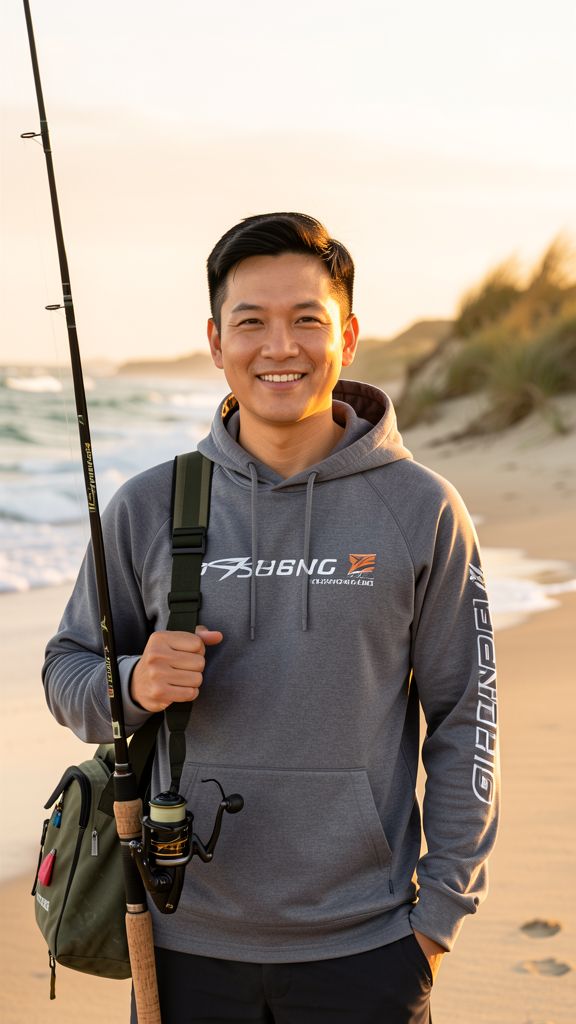
Kingfish are showing, finally, in the surf from Holgate up through Ship Bottom, mostly on the incoming tide in that knee-to-waist-deep water where the sandbars step down. High-low rigs with bloodworms or FishBites, small hooks, light sinkers — this is finesse fishing in the wash, not power surf casting. If you're standing in the right spot on a moving tide you can put together a nice little mess of them for the pan, and they'll keep coming through August. Bluefish are mixed in around the inlets, especially in the early morning when there's still bait pushed up tight — small blues chasing peanut bunker at Barnegat Light and off the jetties at Holgate, poppers and small metal will get bit if you're out at first light.
Stripers in July on this stretch are a night game, and I'm not going to pretend otherwise. Daytime water is too warm for most fish to want to work hard, so the ones that are around are holding in cooler pockets and feeding on the edges of the tide change, especially the top of the incoming after dark. Holgate's outer bar has given up a few fish to guys drifting bunker chunks on fishfinder rigs right at the inlet mouth on the new moon's bigger swings, and I'd expect that to continue through the weekend as the spring tide peaks. It's not a numbers game right now — one or two fish a trip if you put in the time at the right stage of the tide — but the fish are there, and the bigger water movement this weekend should help concentrate them at the structure instead of spreading them thin across the flat.
Weakfish, I have to be honest with you — despite the bay water sitting well above seventy degrees for over two weeks now, I haven't heard a credible report of a weakfish caught anywhere in this system. The old rule of thumb that warm water alone triggers a weakfish bite just isn't holding up this year. Temperature is necessary but clearly not sufficient anymore. If you're targeting them specifically, I'd say don't build a trip around it — treat any weakfish this month as a bonus fish, not a target.
Black drum are basically done for the season up at Graveling Point and in the Mullica — that bite peaked back in May and June, and what's left are stragglers that show occasionally on high water with fresh clam, nothing worth planning around.
Looking ahead, the play this weekend is simple: fish the moving water around the new moon peak, focus on the inlets over the open bay, and take the sunset high tide seriously for stripers if you can get out there. If the wind stays cooperative and doesn't kick up a chop through Little Egg, I'd put my money on another solid fluke session off the inlet edges Saturday evening into the outgoing. If it gets sloppy, the surf at Holgate for kingfish is the fallback — that bite doesn't care much about boat conditions, just about getting your bait in the wash at the right stage of tide.