New moon springs load up the Monomoy rips as fluke slide out to Great Point's ocean side
Bigger water on the rips, warming flats pushing bait offshore, and a bonito watch that's starting to feel real — here's what Nantucket Sound looked like this week.
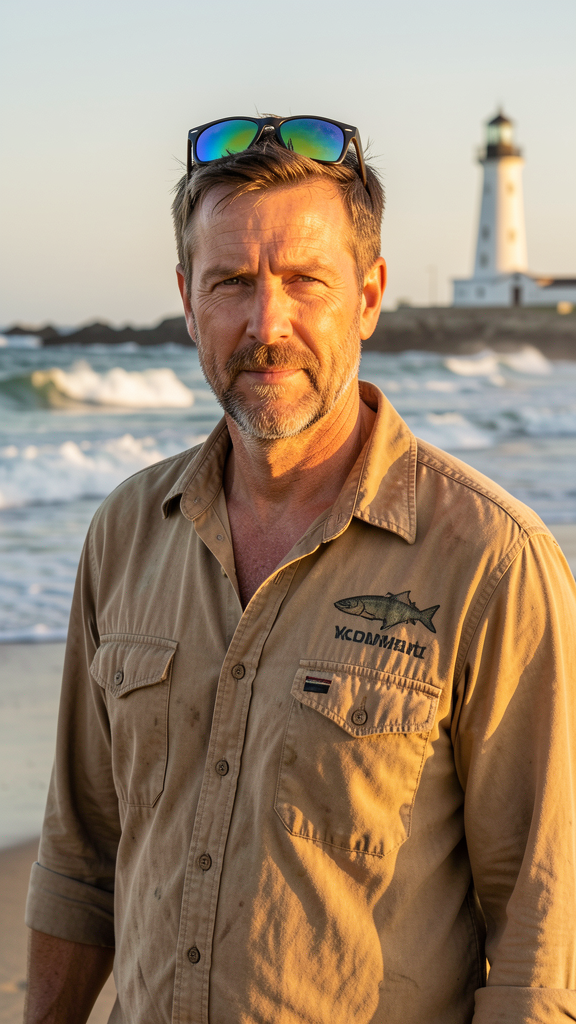
Last week the wind sat out of the southwest more days than not, which is about as normal for early July as it gets out here, but it did its usual number on the inner Sound — pushed a milky green tint into Monomoy's inner flats and warmed the shallow water on Horseshoe Shoal enough that you could feel the difference wading it barefoot at low tide. That warmth is the story right now. The flats and back-harbor water are running warm enough that the fluke that were sitting on the mud in Nantucket Harbor and the Monomoy flats have started sliding toward the channels and the ocean-side structure where the water's tighter and cooler. That's not a guess — I've watched it happen three summers running, and the pattern's repeating on schedule.
This week the moon is the headline. We're building into new moon springs, peaking around the 11th through the 13th, and that means bigger tidal swings than we've had since the last new moon cycle — more water moving through Great Point Rip, more current stacking up against the elbow at Monomoy, and a sharper, faster drop at Chatham Inlet. Bigger current means the bait gets pushed harder into the rip lines, which means the stripers and blues that have been scattered through the Sound start concentrating where the moving water meets the structure. If you fish the slower neap tides we just came off of, you probably noticed the bite was soft and spread out. This week should tighten that up — assuming the wind cooperates and doesn't blow the rips into a washing-machine mess.
Striper fishing on the Monomoy side has been honest, not spectacular. Guys working the rips off the Powder Hole and down toward the elbow on the dropping tide have been picking at fish in the 26 to 34 inch range, mostly on live eels drifted through the seam where the sandbar drops into deeper water, and on bucktails — white or chartreuse, 1 to 1.5 ounce — bounced along bottom in 8 to 15 feet where the rip stacks up. Nothing has been a slam dunk. I've had mornings where three drifts through the same rip produced two fish and mornings where the same drift produced nothing and you moved on. That's the nature of rip fishing on a building tide — you have to be patient and you have to be willing to run from Monomoy up to Great Point if one spot goes quiet.
Great Point itself has been holding bluefish more consistently than bass the last week and a half, blitzing on peanut bunker and sand eels in that 5 to 12 foot depth right off the point where the rip forms on the ebb. Poppers and metal — Deadly Dicks, Kastmasters — have been getting eaten fast when the blues are up on top, usually the first hour or two of the dropping tide. When the surface action dies, switching to a bucktail dragged deeper through the same water has kept a few stripers in the mix.
Fluke has genuinely been the better bet this week, and it lines up with what I said about that flats-to-channel shift. The mouth of Nantucket Harbor, the channel edges off Coatue, and the deeper cuts around Horseshoe Shoal have all been giving up keeper fluke in the 18 to 22 inch range on 4-inch white Gulp Swimming Mullets rigged on 3/4-ounce bucktails, drifted slow on the last two hours of the incoming and the start of the outgoing. Depth's been 15 to 25 feet, and the fish have wanted the bait crawled, not ripped — this isn't an aggressive bite, it's a subtle thump-thump you have to be paying attention for. A few boats working the deeper edges of Nantucket Shoals proper have found bigger fish mixed in, up to 5 and 6 pounds, but that water's inconsistent right now and you can burn a lot of gas for one good drift.
Now, the thing I'm watching closest — and I want to be honest, we don't have confirmed bonito or albie action inside Nantucket Sound yet, so don't go rig up wire leaders and blow a tank of gas expecting a blitz off Sankaty this week. But the signal is building. The cold wall that's normally sitting between Block Island and Rhode Island Sound has broken down hard, and warm water's spreading east toward Newport and Point Judith faster than usual for this point in July. That's the leading edge of the bonito run, and historically when that warm water pushes that far east this early, it's only a matter of two or three weeks before we start seeing fish show on the east end of the Shoals and off Sankaty. I'd keep an epoxy jig and a small Deadly Dick rigged and ready in the boat starting now, because when that first fish shows up around here, it shows up fast and the window can close in days if you're not paying attention.
For this weekend, with the new moon springs peaking, I'd fish the start of the dropping tide at Great Point Rip early, before the wind builds, then run down to Monomoy for the same stage of tide in the afternoon — the timing lines up nicely with how the tide progresses down the Sound. If the southwest wind stays under 15 knots, the rips should be fishable and the extra current should concentrate bait better than it has the last two weeks. If it kicks up harder than that, I'd rather sit on the fluke grounds off Coatue where the wind matters less and the bite, while quieter, has been the more dependable of the two.