I think a April start is crazy.
Like it or not, it's pretty obvious we will end up with 3 fish at 19", The only question remaining is what will be the open season.
I think a April start is crazy.
IMHO, the April 1 option was solely put forth to try and appease those determined to hold onto a 4 fish bag limit. What's the real trade-off...an even more difficult to reach minimum size! Totally absurd!
Like it or not, it's pretty obvious we will end up with 3 fish at 19", The only question remaining is what will be the open season.
Agreed, I've gone a couple times on opening day in May and its been nasty weather. To open one month earlier to not do much, just to have 1 extra fish later in the season? I'll pass.
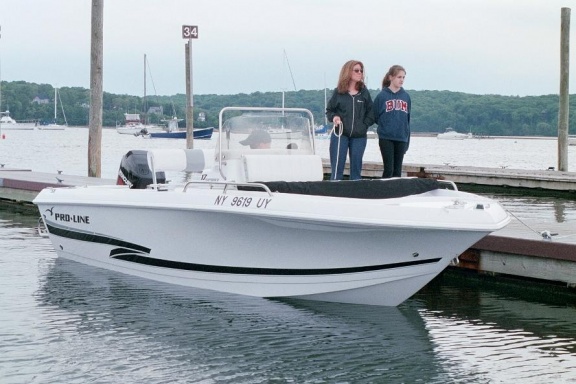
Without getting emotional about it, why with regard to fluke is the proposal (argument) always size or season and not bag limit? We have lowered bag limits on weakfish, striped bass and bluefish. If the goal is reduction of fish mortality, why not limiting the fluke bag down to two or maybe three? It would certainly lower the amount of death due to mishandling as well.

I plan to fill out my survey and be at the DEC meeting on 1/31. Hopefully it will result in a solution both the fish and fisherman can live with.

From Roccus above:
DEC will hold a public meeting to review potential 2024-2025 recreational saltwater fishing regulation options for summer flounder (fluke) and scup. The hybrid meeting will be held on Wednesday, January 31, 2024, at 6 p.m. at DEC Division of Marine Resources, 123 Kings Park Blvd. Kings Park, NY. Visit DEC’s website for additional information.
<table><tbody><tr><td><table><tbody><tr><td>REGISTER FOR WEBX MEETING</td></tr></tbody></table></td></tr></tbody></table>
Go in person if you can. In NJ, last year's slot was approved to appease those present, despite protests from those online!
No comparison my friend. Also, keep in mind that winter flounder are flourishing. Just not in our polluted bays. They've moved offshore now and commercials are catching their full quotas.
Please don't get me wrong, I'm a fish first guy. Always have been and always will be. But Im also an advocate for recreational fishing.
The best thing for was scup would be no one fishing them at all. I realize that the govt tries to get it right, but sadly they're stuck at their desk looking at numbers that in most cases are correct about 50% of the time.
I'm doing this for over 35 years now and I can say that the micro managing of this, and other fisheries, with constant regulation changes, is obviously not the answer. It has never worked and never will.
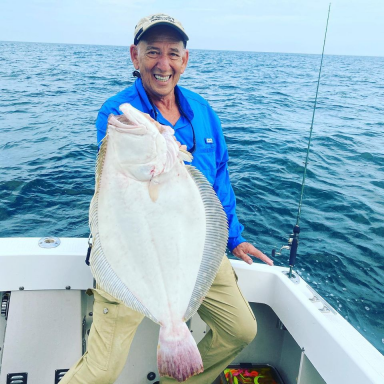
I can't agree more with George on this. Further, the catch restriction alone on the already declined stock whether it is striper or flounder will not work. It will require a paradigm shift; starting from the better governing system of state, regional and federal level per task.
I think the hatchery programs supported by states or federal government for the spawning and stocking like we do with freshwater species ( trout, hybrid striper etc.) must expand to troubled saltwater species (starting with cod, striper, flounder that are relatively easy to hatch or even to farm artificially). It was adapted in East Asia decades ago and restored many troubled species successfully. I heard North and South Carolina have started that recently with stripers in a couple of major spawning rivers. "Put back and take" is the shift we need going forward.
I'm not familiar what they're doing in east Asia, but I'd that works out could be the answer. My issue has always been why raise fish, let them go, and have them caught commercially? Why not just raise some of those fish ams not take them from that wild?
I'm not suggestinb you're wrong about NC and SC, but I'm thinking I probably would have found out about it. I do know back in the early days of the plan there were farmed fish released that eventfully accounted for 5% of the biomass. Again were dealing with numbers that have a 50/50 chance of being correct.
On the other hand, they did that with salmon on the west Coast resulting in a strain of salmon that couldn't reproduce. We have an excellent piece on that here.
You are correct that what they're doing now isn't working, it never will. Is there any common sense in suggesting that this year's slot is targeting the same fish we did last year? That's exactly what they're trying to tell us. I guess they don't grow ever year🤔.
Yeah, it is a little complicated topic. I did it to suggest as an idea for the paradigm shift that can possibly be a start of solving the problem. Though I am not an expert to share rich scientific details on the issue, let me explain a little more on where I am coming from that may respond better to your comments.
The following is one of the articles that I mentioned on the news of striper hatching and stockings in NC and SC; NEW Striped Bass Stocking Effort Aims to Restore Population
I think it just started last year in NC to be a well known news. The main point I want to explain is that the state is not breeding and releasing the striper stocks from elsewhere, but from its own breeders caught on that particular spawning ground, so it is as natural as possible, other than the artificial fertilization part and farming the stock from a couple of days to a few months for the better survival rate of these millions of baby (fry and fingerlings) stripers. I bet there will be trials and errors of running these types of programs (like the west coast salmons you mentioned) for highly migratory species such as stripers.
Nonetheless, it is a good start. The key is the artificial fertilization, because without it, we have to wait only until the good spawning year to happen naturally, like 2015 for the north east stripers. But this happens far between and we never know when the next one is happening. It will get only harder with dwindling striper stocks ( so the number of breeders). That is the reason why we have to do this, even though the majority of these fish will be caught commercially before reaching the spawning age. Not all will be caught and at least some will reach back to the ground to spawn naturally or artificially again. And that will all be surplus. If it is repeated in a year after a year, the entire stock will be rebuilt and much more before you know it.
This was how some of the troubled species were restored in Korea. One of them is the Pacific cod fishery. There is an island in the southern peninsula, called Geojedo. It is Block Island to New England area, the best known cod breeding ground in Korea. Some even said the 90% of Korean cod fish stock bred there. So, like the old days in the ledge of Block island, all the cod fish boats in Korea congregated in front of the island during the 3 months of every spawning season and eventually wiped out the fishery, close to an extinct level. One large cod was hovering $1-200 at that time, as it was a very sought after and an already expensive fish. Finally, the government and the island fishermen made a coalition and started to breed and release cod fingerlings more and more every year. And the fishery restored only after a handful years and further rebounded in such a way ever seen before. It even created a recreational cod fishery. Charter boat fishing for cod has been booming in Korea not only near the island, but in the entire eastern seaboard (over 300 miles).
There are limitless options to run and expand these stocking programs. For example, when (if) the artificial fertilization is not a problem anymore and it can hatch at a higher rate, the state/agency can give a away fingerlings or sell at lower price to aquaculture farmers to grow the fish that can further decrease the commercial fishing pressure. Or you can even delegate the hatching and releasing duties to private aqua-farmers for the exchange of farming permits or the rental of public waterways etc.
Aside from these natural stockings, I believe encouraging and pushing for more aquaculture; farming of highly demanded (thus pressured) fish species, is where the answer only lies. Otherwise, you have to catch/supply the commercial demands from the wild. And it is simply not sustainable to regulate the need with the growth of population and seafood interests. Cod, tuna, striper, seabass and flounder... It is eventually going to happen to every specie. unless we get it else where. That's only in farming the fish . And US is in the bottom of fish farming science and business in the world. We are just too used to catch everything from wild with powerful boats and technologies.
Let me give you a final example before ending this. All live flounders in the fish tank you see in big Asian markets in across US are farmed fish from Asia. Those are put to sleep with acupuncture needles and transported by air. When the needles are taken out, the fish swim immediately in the tank. It is pretty amazing. Anyway, since the farming of flounders became so successful - one of the first and easiest fish to farm years ago in Korea ( sorry to keep on giving Korean examples, but that's one other country that I am very familiar with), there are very few commercial boats that specifically target wild flounders unless it is by catch. Wild flounders are still more expensive but not that much to offset the cost of catching them. Because of it, with the flounder stock flourishing, catching doormats have become much easier and abundant recreationally. It is crazy to see how rapidly it has transformed and increased the recreational fishing industry in Korea. It was unthinkable just 10-15 years ago. The reason I am putting the time and writing this in length, hoping to see the glory days again when I can take my children and grand children to Montauk to experience incredible cod fishing or just to Sheepshead Bay or Rockaway for amazing flounder fishing I experienced back in the day.

striped bass were stocked for years surprised george and roccus didnt know this, read special report no. 53 by asmfc very intersting this isnt mentioned by asmfc with problem fish are having spawning now
Yeah, it is a little complicated topic. I did it to suggest as an idea for the paradigm shift that can possibly be a start of solving the problem. Though I am not an expert to share rich scientific details on the issue, let me explain a little more on where I am coming from that may respond better to your comments.
The following is one of the articles that I mentioned on the news of striper hatching and stockings in NC and SC; NEW Striped Bass Stocking Effort Aims to Restore Population
I think it just started last year in NC to be a well known news. The main point I want to explain is that the state is not breeding and releasing the striper stocks from elsewhere, but from its own breeders caught on that particular spawning ground, so it is as natural as possible, other than the artificial fertilization part and farming the stock from a couple of days to a few months for the better survival rate of these millions of baby (fry and fingerlings) stripers. I bet there will be trials and errors of running these types of programs (like the west coast salmons you mentioned) for highly migratory species such as stripers.
Nonetheless, it is a good start. The key is the artificial fertilization, because without it, we have to wait only until the good spawning year to happen naturally, like 2015 for the north east stripers. But this happens far between and we never know when the next one is happening. It will get only harder with dwindling striper stocks ( so the number of breeders). That is the reason why we have to do this, even though the majority of these fish will be caught commercially before reaching the spawning age. Not all will be caught and at least some will reach back to the ground to spawn naturally or artificially again. And that will all be surplus. If it is repeated in a year after a year, the entire stock will be rebuilt and much more before you know it.
This was how some of the troubled species were restored in Korea. One of them is the Pacific cod fishery. There is an island in the southern peninsula, called Geojedo. It is Block Island to New England area, the best known cod breeding ground in Korea. Some even said the 90% of Korean cod fish stock bred there. So, like the old days in the ledge of Block island, all the cod fish boats in Korea congregated in front of the island during the 3 months of every spawning season and eventually wiped out the fishery, close to an extinct level. One large cod was hovering $1-200 at that time, as it was a very sought after and an already expensive fish. Finally, the government and the island fishermen made a coalition and started to breed and release cod fingerlings more and more every year. And the fishery restored only after a handful years and further rebounded in such a way ever seen before. It even created a recreational cod fishery. Charter boat fishing for cod has been booming in Korea not only near the island, but in the entire eastern seaboard (over 300 miles).
There are limitless options to run and expand these stocking programs. For example, when (if) the artificial fertilization is not a problem anymore and it can hatch at a higher rate, the state/agency can give a away fingerlings or sell at lower price to aquaculture farmers to grow the fish that can further decrease the commercial fishing pressure. Or you can even delegate the hatching and releasing duties to private aqua-farmers for the exchange of farming permits or the rental of public waterways etc.
Aside from these natural stockings, I believe encouraging and pushing for more aquaculture; farming of highly demanded (thus pressured) fish species, is where the answer only lies. Otherwise, you have to catch/supply the commercial demands from the wild. And it is simply not sustainable to regulate the need with the growth of population and seafood interests. Cod, tuna, striper, seabass and flounder... It is eventually going to happen to every specie. unless we get it else where. That's only in farming the fish . And US is in the bottom of fish farming science and business in the world. We are just too used to catch everything from wild with powerful boats and technologies.
Let me give you a final example before ending this. All live flounders in the fish tank you see in big Asian markets in across US are farmed fish from Asia. Those are put to sleep with acupuncture needles and transported by air. When the needles are taken out, the fish swim immediately in the tank. It is pretty amazing. Anyway, since the farming of flounders became so successful - one of the first and easiest fish to farm years ago in Korea ( sorry to keep on giving Korean examples, but that's one other country that I am very familiar with), there are very few commercial boats that specifically target wild flounders unless it is by catch. Wild flounders are still more expensive but not that much to offset the cost of catching them. Because of it, with the flounder stock flourishing, catching doormats have become much easier and abundant recreationally. It is crazy to see how rapidly it has transformed and increased the recreational fishing industry in Korea. It was unthinkable just 10-15 years ago. The reason I am putting the time and writing this in length, hoping to see the glory days again when I can take my children and grand children to Montauk to experience incredible cod fishing or just to Sheepshead Bay or Rockaway for amazing flounder fishing I experienced back in the day.

read report special report no 53 here it is it appears that stocking to boost production in systems with poor reproduction in combination with management measures is a viable option . their report not mine not fake news thats what you serve. is that the problem now maybe the 5 percent was when we had record spawns, now the spawn is problem.report was made by asmfc read it maybe people have to spend money to fish.
Sign in to reply to this thread.