A Better alternative to ocean wind farms?
Do they think we're idiots!

Here's a special brand of STUPID!! Notice how the article doesn't say how long the motor can run...
AFLOAT THE SAN JOAQUIN RIVER — Grant Jeide looked like another dude riding the rollicking waves left in the wake of a 23-foot (7-meter) boat ripping through the water at speeds of up to 40 miles per hour on a river in Northern California’s Delta earlier this summer.
But Jeide was performing his aquatic acrobatics behind a different breed of boat — one powered by electricity instead of gasoline. Unencumbered by the din and acrid smell of a combustion engine, the boat’s passengers could chat with Jeide as he surfed behind them while they savored the afternoon breeze wafting along the river.
“It’s like a playground back there, you feel like you could just ride all day,” exclaimed Jeide, part of the sales team at Arc Boats, a 3-year-old startup embarking on a voyage to electrify the waters in the same way that Tesla led the charge to electrify the roads.
As Tesla did with its first car 16 years ago, Arc Boats is starting with luxurious vessels likely to appeal to a small and affluent audience that isn’t reluctant to spend large sums of money to own the latest advances in technology.
They’re people like Jonathan Coon, a self-proclaimed geek who got rich after starting 1-800 Contacts in his college dorm room back in the 1990s and can afford to splurge on the sleek, high-powered vessels that Arc Boats is designing and building.
After spending more than $300,000 on a luxury cruiser called Arc One a couple of years ago, Coon is forking over another $258,000 to become the first customer in line to get Arc Sport – a model made for popular aquatic pastimes such as wakeboarding and water skiing.
It’s something that Coon wouldn’t have considered buying just a few years ago after renting gas-powered boats and riding on the gas-powered boats of friends and hearing about all the hassles that went into maintaining them, along with the cost to fuel up vessels that usually only get a few miles per gallon.
“My view on boats had always been that the best kind of boat is someone else’s boat because they can be such nightmares,” Coon, 54, said during an interview from Austin, Texas, where he is overseeing the development of a lakeside community. “But that’s not the case now. These guys just nailed every little detail on an electric boat that’s just fun to use.”
Arc Boats CEO Mitch Lee is a long-time nerd, too. He grew up in San Jose, California – the cradle of Silicon Valley – where he began trading in currency exchanges when he was just 8 years old. After moving on to Northwestern University to study mechanical engineering, Lee created a personal finance app called Penny that he sold in 2018 to Credit Karma, which is now owned by Intuit.
That deal helped provide Lee with the money to start Arc Boats in Southern California with Ryan Cook, a friend he met at Northwestern. Electrifying boats has been in the back of Lee’s mind since Tesla rolled out its first car – the Roadster – in 2008 and he wondered if the technology would eventually work on the boats he grew to love as the son of parents who loved to water ski.
The success of Tesla’s expanding line-up of vehicles and the electric cars made by other automakers finally created a supply chain of batteries and other parts needed to electrify boats, too. Arc Boats, founded in 2021, now employs more than 100 employees, including former engineers who worked for Elon Musk at two of his breakthrough companies – Tesla and rocket ship maker SpaceX.
After selling only a handful of the Arc One luxury cruisers, Lee foresees being able to ramp up production to sell hundreds of the Arc Sport model across the U.S. annually.
Besides its home state of California, Arc Boats is targeting other water-loving hot spots such as Texas, Idaho, Minnesota, Michigan and other parts of the country with lots of lakes and people who want to have fun on them. The first Arc Sport is supposed to be delivered to Coon before the end of this year.
“There’s a lot of enthusiasm for a product like this, because it solves all these core pain points that gas boat owners have today,” Lee, 35, said while piloting an Arc Sport on the San Joaquin River near Bethel Island, California. “It’s quieter. It’s far more reliable. It’s way cheaper to operate. You’re not inhaling fumes off of the back of the boat. And we’re doing an interview on a boat where all you hear is the sound of the water.”
A wide range of other boat makers trying to shift away from gas-combustion engines and fuel tanks that can easily cost $300 to $600 to fill for a day traversing a lake or river are making similar arguments. Some, like Sweden’s Candela and another California startup, Navier, are selling electric-powered hydrofoil speedboats that probably wouldn’t work as well for water skiing or wakeboarding.
A variety of other electric boats, in a range of different styles, are being made by a list of others, including Vision Marine, Ingenity, RS Electric, Duffy Boats and Rand Boats.
Compared to electric cars, the market for electric boats is a drop in the bucket. Worldwide sales of electric boats stood at just $5 billion in 2021, and even with steady double-digit annual growth, are only projected to reach roughly $17 billion by 2031, according to Allied Market Research. In contrast, global sales of electric automobiles surpassed $250 billion last year.
Lee is trying to steer Arc Boats in the same direction that Tesla followed after barely making a dent in the auto market during its formative years. Just like Tesla’s vehicles, the Arc Sport will be equipped with a variety of technology that will make the boat akin to a floating computer.
The boat comes with display screens, sensors, Wifi, a hydraulic system for raising and lowering the roof, a 226-kilowatt battery and software that can be updated over the air. Lee envisions those software updates making it possible to provide people who own the Arc Sport with upgrades as the technology improves and potentially makes it possible for the boat to autonomously dock.
The Arc Sport’s hefty price tag is also an echo of the Tesla Roadster, which sold for $80,000 to $125,000. Now Tesla sells sedans in the $40,000 range, with ambitions to lower the price even more.
“Over time, we expect our technology to get less expensive,” Lee said of the Arc Sport as he prepared to show off the boat’s 500-horsepower motor. “There are a lot of tailwinds here.”
Sports boats set out on voyage to electrify waters in same way Tesla electrified roads
Arc Boats, a California startup, is starting with luxurious vessels likely to appeal to a small and affluent audience eager to own the latest advances in technology.AFLOAT THE SAN JOAQUIN RIVER — Grant Jeide looked like another dude riding the rollicking waves left in the wake of a 23-foot (7-meter) boat ripping through the water at speeds of up to 40 miles per hour on a river in Northern California’s Delta earlier this summer.
But Jeide was performing his aquatic acrobatics behind a different breed of boat — one powered by electricity instead of gasoline. Unencumbered by the din and acrid smell of a combustion engine, the boat’s passengers could chat with Jeide as he surfed behind them while they savored the afternoon breeze wafting along the river.
“It’s like a playground back there, you feel like you could just ride all day,” exclaimed Jeide, part of the sales team at Arc Boats, a 3-year-old startup embarking on a voyage to electrify the waters in the same way that Tesla led the charge to electrify the roads.
As Tesla did with its first car 16 years ago, Arc Boats is starting with luxurious vessels likely to appeal to a small and affluent audience that isn’t reluctant to spend large sums of money to own the latest advances in technology.
They’re people like Jonathan Coon, a self-proclaimed geek who got rich after starting 1-800 Contacts in his college dorm room back in the 1990s and can afford to splurge on the sleek, high-powered vessels that Arc Boats is designing and building.
After spending more than $300,000 on a luxury cruiser called Arc One a couple of years ago, Coon is forking over another $258,000 to become the first customer in line to get Arc Sport – a model made for popular aquatic pastimes such as wakeboarding and water skiing.
It’s something that Coon wouldn’t have considered buying just a few years ago after renting gas-powered boats and riding on the gas-powered boats of friends and hearing about all the hassles that went into maintaining them, along with the cost to fuel up vessels that usually only get a few miles per gallon.
“My view on boats had always been that the best kind of boat is someone else’s boat because they can be such nightmares,” Coon, 54, said during an interview from Austin, Texas, where he is overseeing the development of a lakeside community. “But that’s not the case now. These guys just nailed every little detail on an electric boat that’s just fun to use.”
Arc Boats CEO Mitch Lee is a long-time nerd, too. He grew up in San Jose, California – the cradle of Silicon Valley – where he began trading in currency exchanges when he was just 8 years old. After moving on to Northwestern University to study mechanical engineering, Lee created a personal finance app called Penny that he sold in 2018 to Credit Karma, which is now owned by Intuit.
That deal helped provide Lee with the money to start Arc Boats in Southern California with Ryan Cook, a friend he met at Northwestern. Electrifying boats has been in the back of Lee’s mind since Tesla rolled out its first car – the Roadster – in 2008 and he wondered if the technology would eventually work on the boats he grew to love as the son of parents who loved to water ski.
The success of Tesla’s expanding line-up of vehicles and the electric cars made by other automakers finally created a supply chain of batteries and other parts needed to electrify boats, too. Arc Boats, founded in 2021, now employs more than 100 employees, including former engineers who worked for Elon Musk at two of his breakthrough companies – Tesla and rocket ship maker SpaceX.
After selling only a handful of the Arc One luxury cruisers, Lee foresees being able to ramp up production to sell hundreds of the Arc Sport model across the U.S. annually.
Besides its home state of California, Arc Boats is targeting other water-loving hot spots such as Texas, Idaho, Minnesota, Michigan and other parts of the country with lots of lakes and people who want to have fun on them. The first Arc Sport is supposed to be delivered to Coon before the end of this year.
“There’s a lot of enthusiasm for a product like this, because it solves all these core pain points that gas boat owners have today,” Lee, 35, said while piloting an Arc Sport on the San Joaquin River near Bethel Island, California. “It’s quieter. It’s far more reliable. It’s way cheaper to operate. You’re not inhaling fumes off of the back of the boat. And we’re doing an interview on a boat where all you hear is the sound of the water.”
A wide range of other boat makers trying to shift away from gas-combustion engines and fuel tanks that can easily cost $300 to $600 to fill for a day traversing a lake or river are making similar arguments. Some, like Sweden’s Candela and another California startup, Navier, are selling electric-powered hydrofoil speedboats that probably wouldn’t work as well for water skiing or wakeboarding.
A variety of other electric boats, in a range of different styles, are being made by a list of others, including Vision Marine, Ingenity, RS Electric, Duffy Boats and Rand Boats.
Compared to electric cars, the market for electric boats is a drop in the bucket. Worldwide sales of electric boats stood at just $5 billion in 2021, and even with steady double-digit annual growth, are only projected to reach roughly $17 billion by 2031, according to Allied Market Research. In contrast, global sales of electric automobiles surpassed $250 billion last year.
Lee is trying to steer Arc Boats in the same direction that Tesla followed after barely making a dent in the auto market during its formative years. Just like Tesla’s vehicles, the Arc Sport will be equipped with a variety of technology that will make the boat akin to a floating computer.
The boat comes with display screens, sensors, Wifi, a hydraulic system for raising and lowering the roof, a 226-kilowatt battery and software that can be updated over the air. Lee envisions those software updates making it possible to provide people who own the Arc Sport with upgrades as the technology improves and potentially makes it possible for the boat to autonomously dock.
The Arc Sport’s hefty price tag is also an echo of the Tesla Roadster, which sold for $80,000 to $125,000. Now Tesla sells sedans in the $40,000 range, with ambitions to lower the price even more.
“Over time, we expect our technology to get less expensive,” Lee said of the Arc Sport as he prepared to show off the boat’s 500-horsepower motor. “There are a lot of tailwinds here.”
Shall I go to heaven or a-fishing? - H. D. Thoreau
Veni. Vidi. Cepi. - with apologies to Gaius Julius Caesar
Veni. Vidi. Cepi. - with apologies to Gaius Julius Caesar
AdmiralOriginal Crew21,717 postsSince 2018
Even more nonsense...

Pieces of wind turbine blades buried in the Casper Regional Landfill in Casper, Wyo. Credit...Benjamin Rasmussen
The blades on the newest wind turbines sweep an area longer than a football field and are nearly impossible to recycle.
At the end of their life span of around 20 years, they are chopped into pieces and buried in a handful of landfills across the Great Plains. Those few sites in Wyoming, Iowa and South Dakota have a spooky nickname: wind turbine graveyards.
But this waste problem from a growing source of low carbon energy could become a headache of the past.
Researchers at the National Renewable Energy Laboratory have developed what they say is a turbine blade made from plant material that can be recycled. The new substance is made from inedible sugar extracted from wood, plant remains, used cooking oil and agricultural waste.
They say the prototype they developed can perform as well as traditional blades that are made from a combination of fiberglass and plastic and which have been very difficult to reuse.
The new, recyclable material could be easily adopted by industry, said Robynne Murray, one of the researchers at the national laboratory.
Because the blades for wind turbines are shaped in large molds, which can take up entire warehouses and are expensive to build, it is critical for any new material to be compatible with existing molds and production facilities. And the substance developed by the national laboratory does exactly that, Dr. Murray said.
It’s “designed to be a drop-in replacement,” she said. “Manufacturers should be able to just take it and use it.”
Blades made from the new materials could be 3 to 8 percent more expensive than traditional blades, according to one estimate.
As more wind farms are built around the country, disposal of old or broken blades is a concern. Opponents of wind energy have seized on the problem as a reason to try to block new wind facilities.
More than 1,000 blades are buried at the Casper Regional Landfill in Wyoming, which does not accept blades from out of state. Wind blades do not exude toxic substances when buried in landfills but take up a great deal of space. Old turbine blades as long as 120 feet are cut into 40-foot sections before disposal. The landfill in Casper can accommodate around 9,000 more blades, according to a fact sheet provided by city officials.
Engineers expect more than 43 million tons of landfill waste will be generated by turbine blades globally by 2050, which is about three times as much total waste as New York City produces annually. The cost of discarding wind blades can be much higher in other nations with smaller land area and higher population density than the United States. Some European countries — including Germany, Austria, Finland and Netherlands — have banned turbine blades from landfills.
Recycling a turbine blade made from traditional materials is nearly impossible because it is very difficult to break its strong chemical bonds after the epoxy resin derived from petrochemicals gets poured into a mold and hardens into a blade.
Some old blades have been repurposed into utility poles and park benches and have been used in bridge construction. Blades can also be shredded into filler or added to cement production. A seven-ton blade that is ground and sent through a cement furnace can replace five tons of coal, resulting in fewer carbon emissions, according to the American Clean Power Association.
But the new material developed by the scientists at the national laboratory can be recycled by dumping it into a bath of methanol heated up to around 440 degrees Fahrenheit, which turns it into an elastic liquid that can be molded into a new shape.
Another researcher at the renewable energy laboratory, Nicholas Rorrer, compared the recyclable material to a cargo net in which engineers know a few specific knots that can be easily untied.
“It’s heat plus solvent,” Dr. Rorrer said. “That will break it apart.”
To test the durability of the new recyclable substance, researchers built a 30-foot wind blade prototype and placed it in a laboratory chamber designed to simulate 20 years of exposure to sunlight, varying temperature, humidity and other environmental factors. The material met the manufacturing requirements and endured stress better than traditional substances by some measures, Dr. Murray said.
The next step for this recyclable substance is creating a full-scale blade around 45-feet long and testing it, she said.
It is unclear if manufacturers would switch processes to use the recyclable material. It all depends on costs, said Ali Ghorashi, a senior vice president of energy infrastructure at DNV, an energy consulting firm.
The wind power industry is facing intense economic pressures, in part because of heavy up-front capital costs and high interest rates. Investing in more expensive recyclable materials might be difficult, Mr. Ghorashi said. The federal government should lead the effort in ensuring the entire industry to move toward recyclable materials, through regulations or subsidies, he said.
“I don’t see any major incentives to recycle the old ones,” Mr. Ghorashi said. “It’s not just the technological and engineering feasibility, but it’s about the production cost.”
Turbine Blades Have Piled Up in Landfills. A Solution May Be Coming.
Wind power has a waste problem that has been difficult to solve. Turbine blades made from a new plant-based material could make them recyclable.Pieces of wind turbine blades buried in the Casper Regional Landfill in Casper, Wyo. Credit...Benjamin Rasmussen
The blades on the newest wind turbines sweep an area longer than a football field and are nearly impossible to recycle.
At the end of their life span of around 20 years, they are chopped into pieces and buried in a handful of landfills across the Great Plains. Those few sites in Wyoming, Iowa and South Dakota have a spooky nickname: wind turbine graveyards.
But this waste problem from a growing source of low carbon energy could become a headache of the past.
Researchers at the National Renewable Energy Laboratory have developed what they say is a turbine blade made from plant material that can be recycled. The new substance is made from inedible sugar extracted from wood, plant remains, used cooking oil and agricultural waste.
They say the prototype they developed can perform as well as traditional blades that are made from a combination of fiberglass and plastic and which have been very difficult to reuse.
The new, recyclable material could be easily adopted by industry, said Robynne Murray, one of the researchers at the national laboratory.
Because the blades for wind turbines are shaped in large molds, which can take up entire warehouses and are expensive to build, it is critical for any new material to be compatible with existing molds and production facilities. And the substance developed by the national laboratory does exactly that, Dr. Murray said.
It’s “designed to be a drop-in replacement,” she said. “Manufacturers should be able to just take it and use it.”
Blades made from the new materials could be 3 to 8 percent more expensive than traditional blades, according to one estimate.
As more wind farms are built around the country, disposal of old or broken blades is a concern. Opponents of wind energy have seized on the problem as a reason to try to block new wind facilities.
More than 1,000 blades are buried at the Casper Regional Landfill in Wyoming, which does not accept blades from out of state. Wind blades do not exude toxic substances when buried in landfills but take up a great deal of space. Old turbine blades as long as 120 feet are cut into 40-foot sections before disposal. The landfill in Casper can accommodate around 9,000 more blades, according to a fact sheet provided by city officials.
Engineers expect more than 43 million tons of landfill waste will be generated by turbine blades globally by 2050, which is about three times as much total waste as New York City produces annually. The cost of discarding wind blades can be much higher in other nations with smaller land area and higher population density than the United States. Some European countries — including Germany, Austria, Finland and Netherlands — have banned turbine blades from landfills.
Recycling a turbine blade made from traditional materials is nearly impossible because it is very difficult to break its strong chemical bonds after the epoxy resin derived from petrochemicals gets poured into a mold and hardens into a blade.
Some old blades have been repurposed into utility poles and park benches and have been used in bridge construction. Blades can also be shredded into filler or added to cement production. A seven-ton blade that is ground and sent through a cement furnace can replace five tons of coal, resulting in fewer carbon emissions, according to the American Clean Power Association.
But the new material developed by the scientists at the national laboratory can be recycled by dumping it into a bath of methanol heated up to around 440 degrees Fahrenheit, which turns it into an elastic liquid that can be molded into a new shape.
Another researcher at the renewable energy laboratory, Nicholas Rorrer, compared the recyclable material to a cargo net in which engineers know a few specific knots that can be easily untied.
“It’s heat plus solvent,” Dr. Rorrer said. “That will break it apart.”
To test the durability of the new recyclable substance, researchers built a 30-foot wind blade prototype and placed it in a laboratory chamber designed to simulate 20 years of exposure to sunlight, varying temperature, humidity and other environmental factors. The material met the manufacturing requirements and endured stress better than traditional substances by some measures, Dr. Murray said.
The next step for this recyclable substance is creating a full-scale blade around 45-feet long and testing it, she said.
It is unclear if manufacturers would switch processes to use the recyclable material. It all depends on costs, said Ali Ghorashi, a senior vice president of energy infrastructure at DNV, an energy consulting firm.
The wind power industry is facing intense economic pressures, in part because of heavy up-front capital costs and high interest rates. Investing in more expensive recyclable materials might be difficult, Mr. Ghorashi said. The federal government should lead the effort in ensuring the entire industry to move toward recyclable materials, through regulations or subsidies, he said.
“I don’t see any major incentives to recycle the old ones,” Mr. Ghorashi said. “It’s not just the technological and engineering feasibility, but it’s about the production cost.”
Shall I go to heaven or a-fishing? - H. D. Thoreau
Veni. Vidi. Cepi. - with apologies to Gaius Julius Caesar
Veni. Vidi. Cepi. - with apologies to Gaius Julius Caesar
AdmiralOriginal Crew21,717 postsSince 2018

Even more nonsense...
Turbine Blades Have Piled Up in Landfills. A Solution May Be Coming.
Wind power has a waste problem that has been difficult to solve. Turbine blades made from a new plant-based material could make them recyclable.
Pieces of wind turbine blades buried in the Casper Regional Landfill in Casper, Wyo. Credit...Benjamin Rasmussen
The blades on the newest wind turbines sweep an area longer than a football field and are nearly impossible to recycle.
At the end of their life span of around 20 years, they are chopped into pieces and buried in a handful of landfills across the Great Plains. Those few sites in Wyoming, Iowa and South Dakota have a spooky nickname: wind turbine graveyards.
But this waste problem from a growing source of low carbon energy could become a headache of the past.
Researchers at the National Renewable Energy Laboratory have developed what they say is a turbine blade made from plant material that can be recycled. The new substance is made from inedible sugar extracted from wood, plant remains, used cooking oil and agricultural waste.
They say the prototype they developed can perform as well as traditional blades that are made from a combination of fiberglass and plastic and which have been very difficult to reuse.
The new, recyclable material could be easily adopted by industry, said Robynne Murray, one of the researchers at the national laboratory.
Because the blades for wind turbines are shaped in large molds, which can take up entire warehouses and are expensive to build, it is critical for any new material to be compatible with existing molds and production facilities. And the substance developed by the national laboratory does exactly that, Dr. Murray said.
It’s “designed to be a drop-in replacement,” she said. “Manufacturers should be able to just take it and use it.”
Blades made from the new materials could be 3 to 8 percent more expensive than traditional blades, according to one estimate.
As more wind farms are built around the country, disposal of old or broken blades is a concern. Opponents of wind energy have seized on the problem as a reason to try to block new wind facilities.
More than 1,000 blades are buried at the Casper Regional Landfill in Wyoming, which does not accept blades from out of state. Wind blades do not exude toxic substances when buried in landfills but take up a great deal of space. Old turbine blades as long as 120 feet are cut into 40-foot sections before disposal. The landfill in Casper can accommodate around 9,000 more blades, according to a fact sheet provided by city officials.
Engineers expect more than 43 million tons of landfill waste will be generated by turbine blades globally by 2050, which is about three times as much total waste as New York City produces annually. The cost of discarding wind blades can be much higher in other nations with smaller land area and higher population density than the United States. Some European countries — including Germany, Austria, Finland and Netherlands — have banned turbine blades from landfills.
Recycling a turbine blade made from traditional materials is nearly impossible because it is very difficult to break its strong chemical bonds after the epoxy resin derived from petrochemicals gets poured into a mold and hardens into a blade.
Some old blades have been repurposed into utility poles and park benches and have been used in bridge construction. Blades can also be shredded into filler or added to cement production. A seven-ton blade that is ground and sent through a cement furnace can replace five tons of coal, resulting in fewer carbon emissions, according to the American Clean Power Association.
But the new material developed by the scientists at the national laboratory can be recycled by dumping it into a bath of methanol heated up to around 440 degrees Fahrenheit, which turns it into an elastic liquid that can be molded into a new shape.
Another researcher at the renewable energy laboratory, Nicholas Rorrer, compared the recyclable material to a cargo net in which engineers know a few specific knots that can be easily untied.
“It’s heat plus solvent,” Dr. Rorrer said. “That will break it apart.”
To test the durability of the new recyclable substance, researchers built a 30-foot wind blade prototype and placed it in a laboratory chamber designed to simulate 20 years of exposure to sunlight, varying temperature, humidity and other environmental factors. The material met the manufacturing requirements and endured stress better than traditional substances by some measures, Dr. Murray said.
The next step for this recyclable substance is creating a full-scale blade around 45-feet long and testing it, she said.
It is unclear if manufacturers would switch processes to use the recyclable material. It all depends on costs, said Ali Ghorashi, a senior vice president of energy infrastructure at DNV, an energy consulting firm.
The wind power industry is facing intense economic pressures, in part because of heavy up-front capital costs and high interest rates. Investing in more expensive recyclable materials might be difficult, Mr. Ghorashi said. The federal government should lead the effort in ensuring the entire industry to move toward recyclable materials, through regulations or subsidies, he said.
“I don’t see any major incentives to recycle the old ones,” Mr. Ghorashi said. “It’s not just the technological and engineering feasibility, but it’s about the production cost.”
CaptainOriginal Crew1,853 postsSince 2018
This shouldn't be behind the paywall as I can share 10 articles a month

 www.nytimes.com
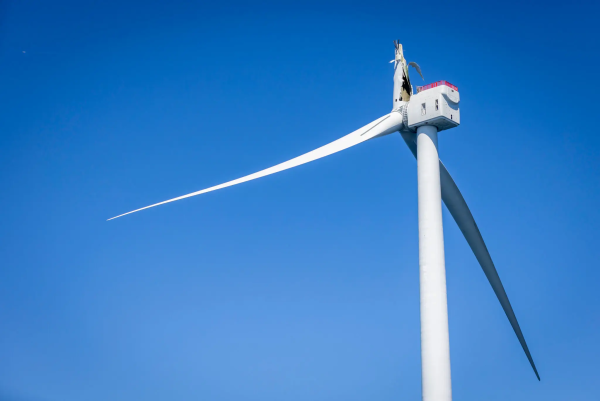
Broken Blades, Angry Fishermen and Rising Costs Slow Offshore Wind
Accidents involving blades made by GE Vernova have delayed projects off the coasts of Massachusetts and England and could imperil climate goals.
A lawyer with his briefcase can steal more than a hundred men with guns- Mario Puzo
CommodoreOriginal Crew9,876 postsSince 2018
This shouldn't be behind the paywall as I can share 10 articles a month
Broken Blades, Angry Fishermen and Rising Costs Slow Offshore Wind
Accidents involving blades made by GE Vernova have delayed projects off the coasts of Massachusetts and England and could imperil climate goals.
View attachment 84648
George R. Scocca
george@nyangler.com
www.nyangler.com - Your Secret Spot Online !
george@nyangler.com
www.nyangler.com - Your Secret Spot Online !
CommodoreOriginal Crew5,174 postsSince 2018

Two whales found dead within two days in NJ, NY waters
Marine biologists are taking a closer look after the remains of a young minke whale washed ashore in New Jersey Friday — less than 24 hours after another dead whale was found floating off Staten Is…
 nypost.com
A lawyer with his briefcase can steal more than a hundred men with guns- Mario Puzo
CommodoreOriginal Crew9,876 postsSince 2018

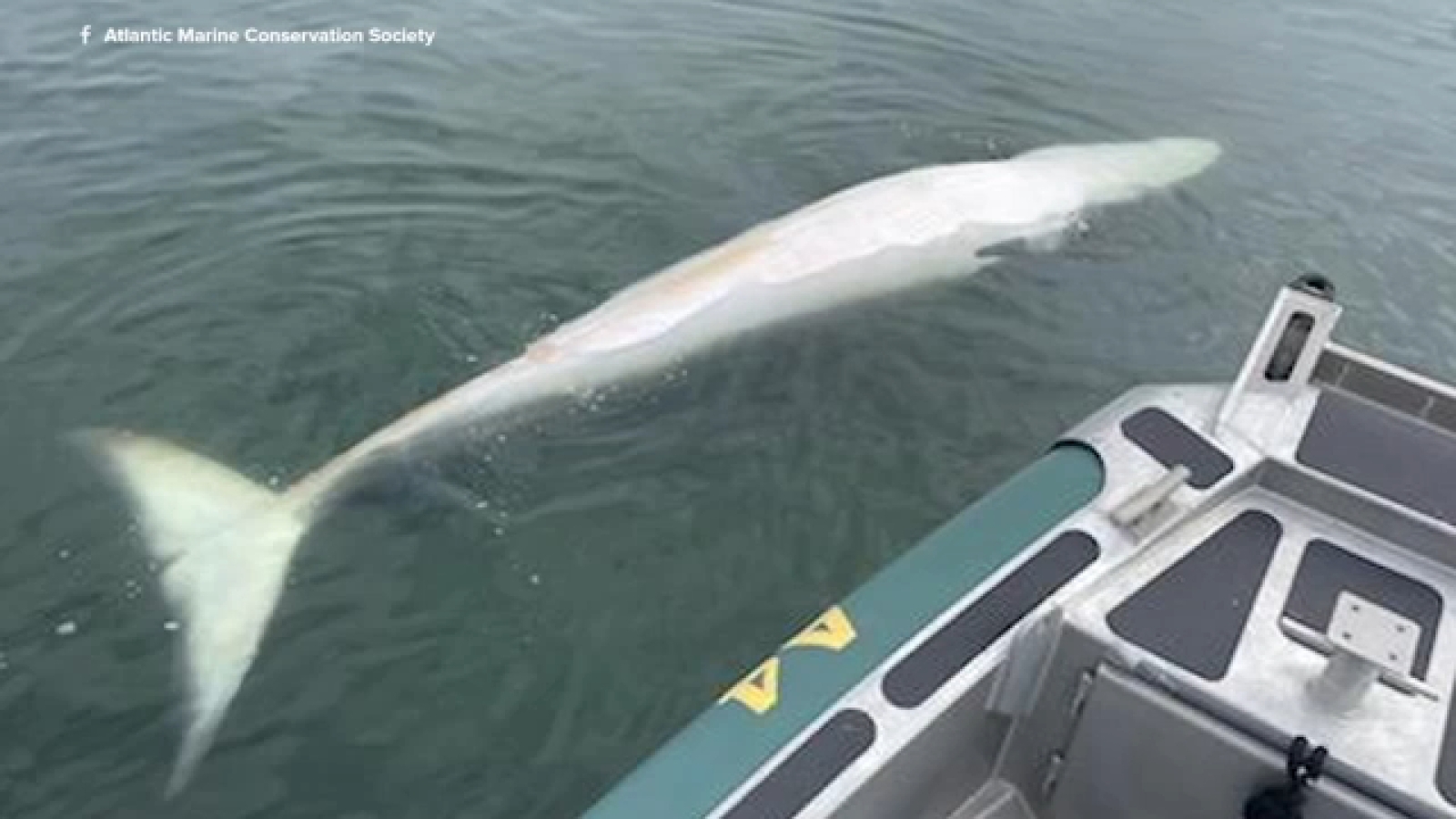
The dead whale was first spotted Thursday floating in Raritan Bay.
 abc7ny.com
via ABC7NY App
Dead whale washes ashore in Queens
The dead whale was first spotted Thursday floating in Raritan Bay.
abc7ny.com
"Chance only favors the prepared mind" - Pasteur
Captain4,161 postsSince 2021

More sensible option?
The worst thing about environ"mental"ists is that nothing pleases them. And if they hadn't fought so hard against the most practical solutions to energy production we wouldn't have the current so-called crisis.
Chrome warns this may be a phishing site. Well, Duh,... Stupid jerks can't even spell fishing right.
CaptainOriginal Crew3,431 postsSince 2019
Anyone buying this one:
NOAA Fisheries concluded the proposed action, construction and operation of a purpose-built offshore wind staging and assembly port, is likely to adversely affect, but is not likely to jeopardize, the continued existence of any species of sea turtles or Atlantic sturgeon in the proposed area of development. It will have no effect on any designated critical habitat of these species. NOAA Fisheries does not anticipate injuries or mortalities of any ESA listed whale, including the North Atlantic right whale, or shortnose sturgeon related to the Arthur Kill Terminal Project.
The proposed project includes a number of measures designed to minimize, monitor, and report effects to ESA listed species. Additional measures are included through the Biological Opinion’s Incidental Take Statement.
The Biological Opinion will be submitted to our library in approximately 10 days and will be published shortly after.
NOAA Issues Biological Opinion on the Arthur Kill Terminal Project
NOAA Fisheries issued a Biological Opinion on the Arthur Kill Terminal project to the Maritime Administration (MARAD) and the U.S. Army Corps of Engineers (USACE). Pursuant to the Endangered Species Act (ESA), the Biological Opinion considers the effects on threatened and endangered species from the construction, mitigation, and operation of the project in New York/New Jersey.NOAA Fisheries concluded the proposed action, construction and operation of a purpose-built offshore wind staging and assembly port, is likely to adversely affect, but is not likely to jeopardize, the continued existence of any species of sea turtles or Atlantic sturgeon in the proposed area of development. It will have no effect on any designated critical habitat of these species. NOAA Fisheries does not anticipate injuries or mortalities of any ESA listed whale, including the North Atlantic right whale, or shortnose sturgeon related to the Arthur Kill Terminal Project.
The proposed project includes a number of measures designed to minimize, monitor, and report effects to ESA listed species. Additional measures are included through the Biological Opinion’s Incidental Take Statement.
The Biological Opinion will be submitted to our library in approximately 10 days and will be published shortly after.
George R. Scocca
george@nyangler.com
www.nyangler.com - Your Secret Spot Online !
george@nyangler.com
www.nyangler.com - Your Secret Spot Online !
CommodoreOriginal Crew5,174 postsSince 2018
Looks like we've finally got a politician on the side of sanity.

 nypost.com
Exclusive | Nassau County exec to launch campaign against green energy initiatives like windmills, lithium-ion battery facilities
Blakeman is targeting a massive wind power project in federal waterways 15 miles off the coast of Long Beach called Empire Wind 1.
nypost.com
Chrome warns this may be a phishing site. Well, Duh,... Stupid jerks can't even spell fishing right.
CaptainOriginal Crew3,431 postsSince 2019
Looks like we've finally got a politician on the side of sanity.
Exclusive | Nassau County exec to launch campaign against green energy initiatives like windmills, lithium-ion battery facilities
Blakeman is targeting a massive wind power project in federal waterways 15 miles off the coast of Long Beach called Empire Wind 1.
AdmiralOriginal Crew20,417 postsSince 2019

Has anyone seen the necropsy results on any of these whales? The silence is "deafening"...
MateOriginal Crew241 postsSince 2019
Sure glad there’s enough of us “Mentalists” out there paying attention to stuff like this thats happening and actually care about the environment
This is the earliest in the season Ive ever seen the toxin levels so high locally to shut down the bay for shellfishing
Scary scary stuff for those of us who actively harvest clams and shellfish locally
WTF is gonna happen once the water warms up? Im proud to have the brownest unfertilized lawn in my neighborhood and NOT be contributing excessive Nitrogen that way
This map was posted by gobler labs IG account
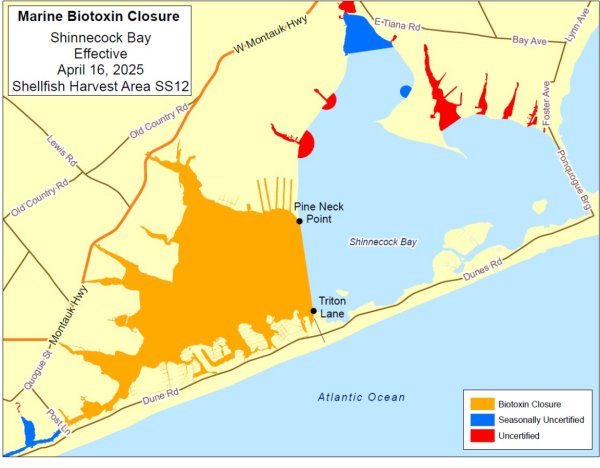
This is the earliest in the season Ive ever seen the toxin levels so high locally to shut down the bay for shellfishing
Scary scary stuff for those of us who actively harvest clams and shellfish locally
WTF is gonna happen once the water warms up? Im proud to have the brownest unfertilized lawn in my neighborhood and NOT be contributing excessive Nitrogen that way
This map was posted by gobler labs IG account
At least I'm enjoyin' the ride.....
CommodoreOriginal Crew7,065 postsSince 2018
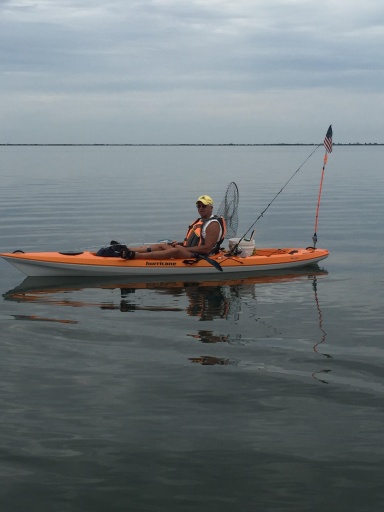
My zoysia is still brown. I haven’t used herbicides, grubicides, fertilizers or fungicides in decades and it only needs water once or twice all summer. No polluting our aquifers by me! I don’t have to hire illegals to mow either as zoysia grows slower.
But is it the use of leaching cesspools and no sewers in most of Suffolk or commercial farming? grumman?
But is it the use of leaching cesspools and no sewers in most of Suffolk or commercial farming? grumman?
Every day is Saturday.
CommodoreOriginal Crew7,034 postsSince 2018
Trump Administration Halts Offshore Wind Project Near Long Beach
In a bold move to protect our ocean resources and coastal communities, the Trump administration has ordered an immediate stop to construction on the Empire Wind offshore wind project, located roughly 14 miles off Long Island near Jones Beach.
The project, led by foreign energy giant Equinor, was set to install 54 massive turbines in the middle of vital marine habitat and heavily-used fishing grounds. Despite being fast-tracked under the previous administration, the Trump team is hitting pause, citing rushed approvals and the need for deeper review—especially regarding environmental and economic impacts.
This decision is a win for those concerned about marine life, commercial and recreational fishing, and the long-term health of our coastal waters. With all new offshore wind leases frozen and existing ones under review, this move signals a serious, science-first approach to managing our ocean space.
George R. Scocca
george@nyangler.com
www.nyangler.com - Your Secret Spot Online !
george@nyangler.com
www.nyangler.com - Your Secret Spot Online !
CommodoreOriginal Crew5,174 postsSince 2018
Sign in to reply to this thread.
Thread
Do they think we're idiots!